Key Developments in the Kazakh Market: Falling Exports, Rising Oil Prices, and Turkish Expansion


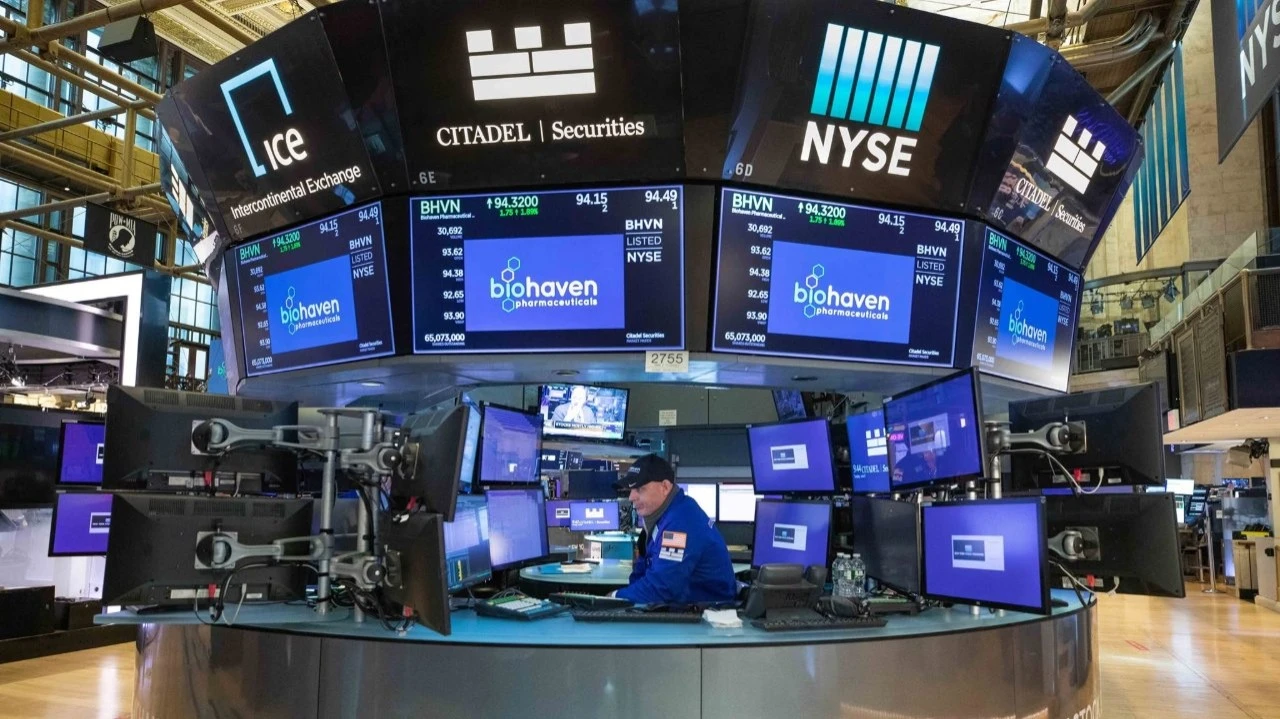
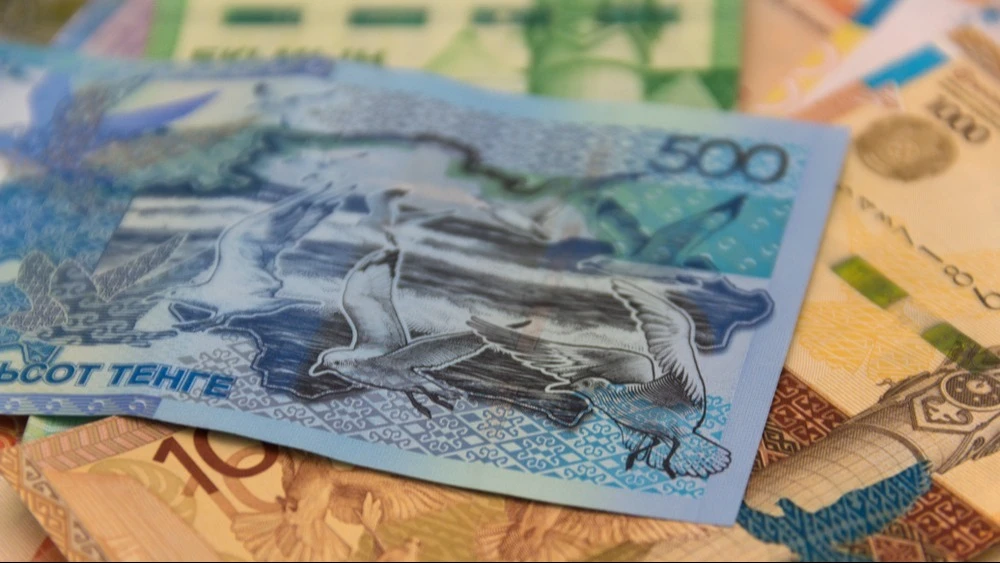
The KASE Index rose 0.43% over the week. Photo: Shutterstock.com
Today, the KASE Index closed at 7,707.82 points—representing a 0.57% increase for the day and a 0.43% increase for the past week.
Leading the weekly gains were the preferred shares of Mangistau Munaygaz (5.82%), the common shares of KM Gold (4.96%), Air Astana (4.36%), Halyk Bank (3.83%), and KASE itself (3.73%). Among the top decliners were, for example, AltynGold common shares (-8.95%), preferred shares of the Ust-Kamenogorsk Titanium-Magnesium Plant (4.88%), and Kazatomprom common shares (3.08%). Meanwhile, international investment bankers continue to expect an imminent rise in the latter’s stock price due to a surge in uranium prices. However, prices have not risen since February.
What's putting pressure on the tenge
One of the key global developments in recent days has been the resumption of the U.S.-Iran conflict. U.S. President Donald Trump announced in a post that he would guarantee the safety of cargo passing through the Strait of Hormuz, provided a 20% tariff is paid. Although this statement was retracted the very next day, nervousness has returned to the market. A barrel of Brent crude, which had fallen to $70 in early June, was trading in the $76–79 range by the end of last week and has been trading in the $84–86 range since Tuesday of this week.
However, the tenge did not strengthen significantly in the wake of the rise in oil prices. On July 10, Timur Suleimenov, head of the National Bank of Kazakhstan, announced plans to lift the mandatory sale of 50% of exporters’ foreign currency proceeds this week, so on Monday, the tenge actually weakened—the dollar rose from 464 to 478 tenge. But this trend also proved short-lived: repealing the foreign exchange revenue sales requirement requires a government decree, which is still being drafted, and the exact date of its issuance is unknown. As a result, as early as Tuesday, the exchange rate had stabilized again at the levels seen at the start of the previous week—468–474 tenge.
Looking ahead, Kazakhstan’s trade surplus is projected to decline to $4.4 billion by the end of the first five months of 2026—a drop of nearly a quarter compared with the same period a year earlier—which could put downward pressure on the tenge. Foreign trade turnover has been showing negative relative growth for the fifth consecutive month.
Fines for sulfur
As for corporate developments, the most high-profile issue remains the conflict between the Kazakhstani authorities and the shareholders of the Kashagan Oil Field (NCOC) over the payment of a fine of 2.3 trillion tenge (about $4.9 billion) for improper storage of sulfur. This could hurt the results of KazMunayGas, which owns nearly 17% of NCOC’s shares. Shareholders also include international investors such as Shell, TotalEnergies, ExxonMobil, and CNPC. According to the Ministry of Justice, the deadline for voluntary payment of the fine expires on July 20. NCOC reported that it had succeeded in having this claim blocked in UNCITRAL international arbitration—however, according to the Ministry of Justice, UNCITRAL’s jurisdiction does not extend to such disputes, and the fine may be enforced, which would cost NCOC an additional 10% of the fine amount.
The proceedings have been ongoing for more than three years, but that hasn't stopped Shell, for example, from pursuingnew projects and planningto expand its partnerships.
A Single QR Code and Halyk Dividends
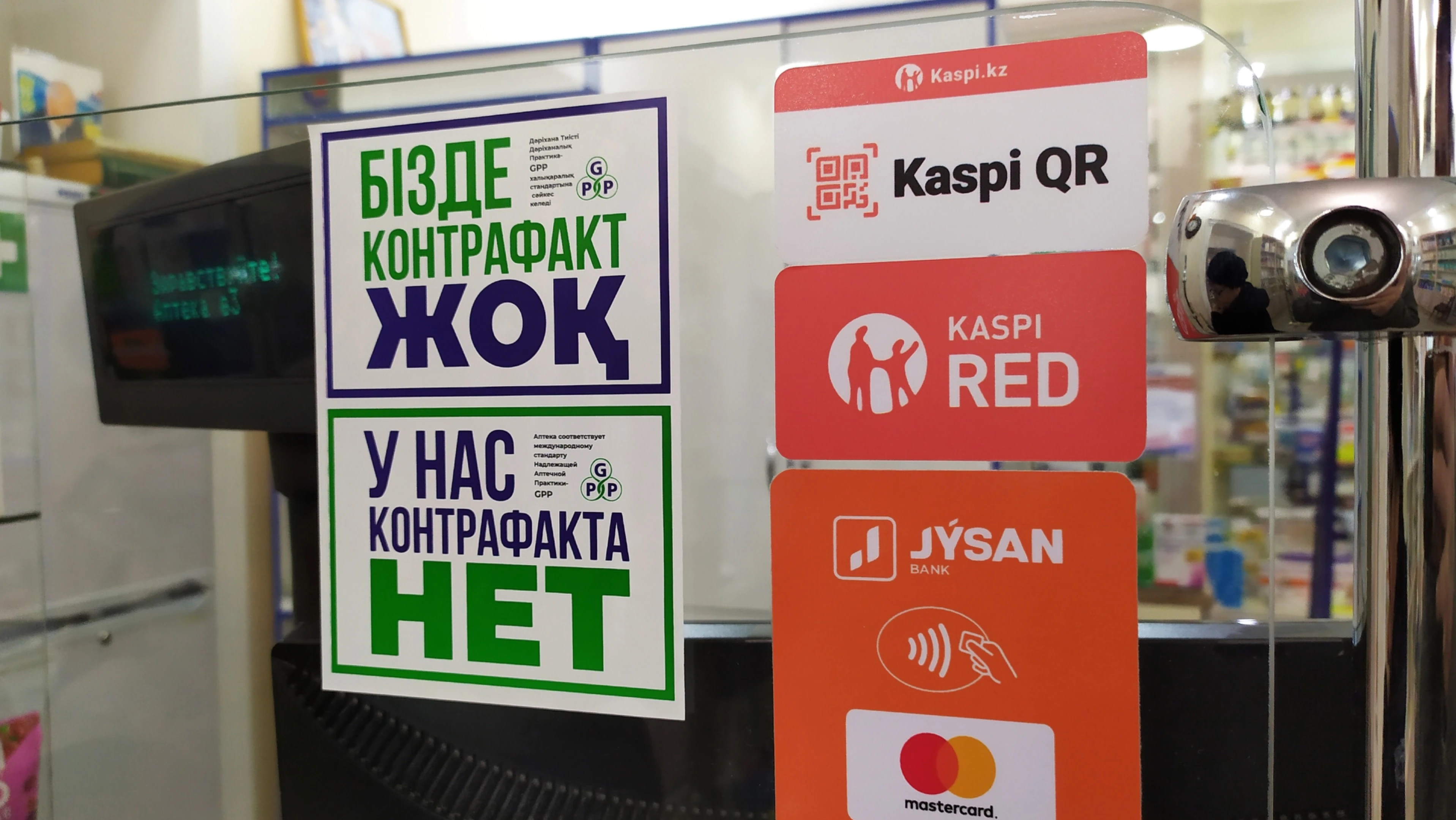
Starting at the end of this week, a unified QR code payment system will be launched in Kazakhstan, posing a threat to the market-leading position of Kaspi. Meanwhile, Kaspi announced the completion of its acquisition of a Turkish subsidiary from the Dutch bank Rabobank, which gives it new opportunities in a market with a population of over 80 million people and a fully-fledged platform for the development of Hepsiburada, the Turkish marketplace it acquired earlier.
And finally, the week ended on a positive note for Halyk Bank shareholders—the bank pays dividends twice a year. “They have already paid 30.1 tenge per share for 2025. Together with the additional dividend, total payouts for 2025 could amount to 58.19 tenge per share. And at the current price on the KASE exchange (≈375), that translates to a dividend yield of 15.5%”,” wrote Daniyar Temirbaev, executive director of the Kazakhstan Association of Minority Shareholders (QAMS).
This article was AI-translated and verified by a human editor