Shifting priorities: why Russia blocked sulfur exports from Kazakhstan


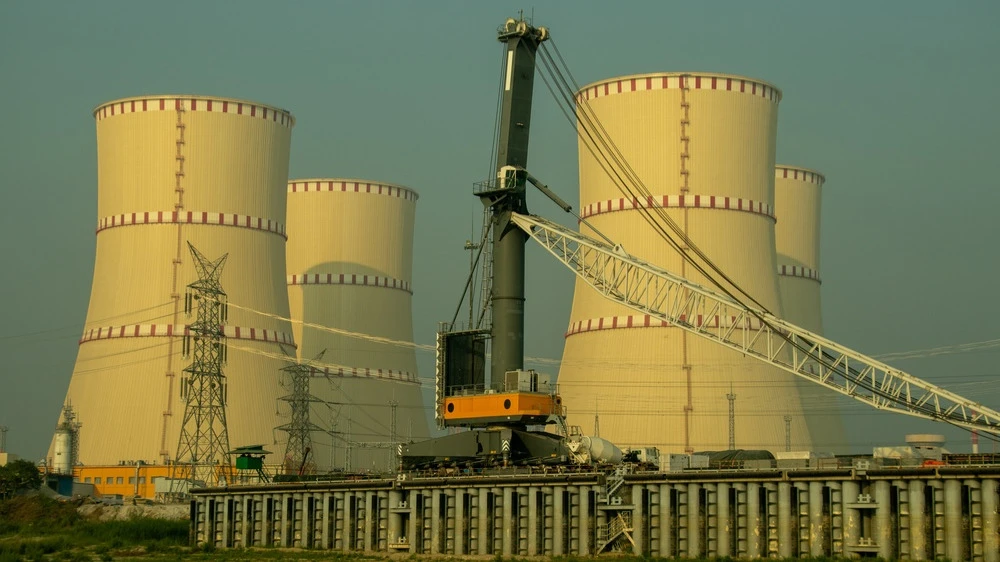
The transit ban affects the interests of a group of major international companies that invest in oil and gas projects in Kazakhstan. Photo: Shutterstock.com
Russian Federal Agency of Railway Transport (Roszheldor) from Ma 24 indefinitely banned transportation of Kazakh sulfur to sea ports and border checkpoints of the Russian Federation.
According to the government of Kazakhstan, the country produces about 4 million tons of sulfur annually. Argus estimates that in the first half of 2025 alone, the total volume of transit shipments from Kazakhstan on the Russian Railways network amounted to 2.3 million tons. Based on the Trading Economics price indicator, the price ofsulfur as of June 1, 2026 was 7516.7 yuan per ton. If transit volumes remain unchanged, the cost of deliveries may be up to $400 mln monthly.
Officially, neither Russian nor Kazakh officials commented on the reasons for the ban. Representatives of specialized agencies and companies of Kazakhstan and Russia did not respond to Oninvest's inquiries. According to Askar Ismailov, founder of PACE Analytics, a Kazakhstani analytical company in the field of oil and gas chemistry and energy, the reason may be that Ukraine has put out of operation the Astrakhan and Orenburg gas processing plants that produced up to 8 million tons of sulfur a year, which was enough for Russia's domestic needs. Since Kazakhstan has a surplus of sulfur, the transit ban may shift flows to Russian consumers, he said. The creator of the Telegram channel "Oil and Gas of Kazakhstan. Facts and Comments" Oleg Chervinsky believes that the Russian railway infrastructure, especially the approaches to the ports of the Azov-Black Sea and Baltic basins, is now working at its maximum capacity and the transit of such low-margin cargoes as sulfur is limited in order to prioritize Russian export cargoes.
Russia is a traditional exporter of sulfur. However, in 2024, exports fell by three quarters, and in the fall of 2025, sulfur became an import commodity for the first time. Sulfur exports from Russia have been banned since November 2025, and in late March the ban was extended until June 30.
Sulphur in Kazakhstan is a by-product of hydrocarbon production rather than a separately extracted feedstock. The main sulfur exporters along this route, according to Argus, are Tengizchevroil (TCO) and North Caspian Operating Company (NCOC), the operator of the Kashagan field. Thus, in addition to the state-owned Kazmunaigas, the transit ban affects the interests of a group of major international companies that invest in these projects - Chevron, Eni, Shell, ExxonMobil, TotalEnergies, as well as Japan's Inpex and China's CNPC.
Kazakhstan accounts for about 5% of global sulphur production, amounting to about 84 million tons in 2025. Most of the world's sulphur consumption comes from the production of sulphuric acid, which is used, among other things, in the production of phosphate fertilizers.
This article was AI-translated and verified by a human editor