Cartier's Shortage and Child Investors: Signs of a Bubble in the South Korean Market
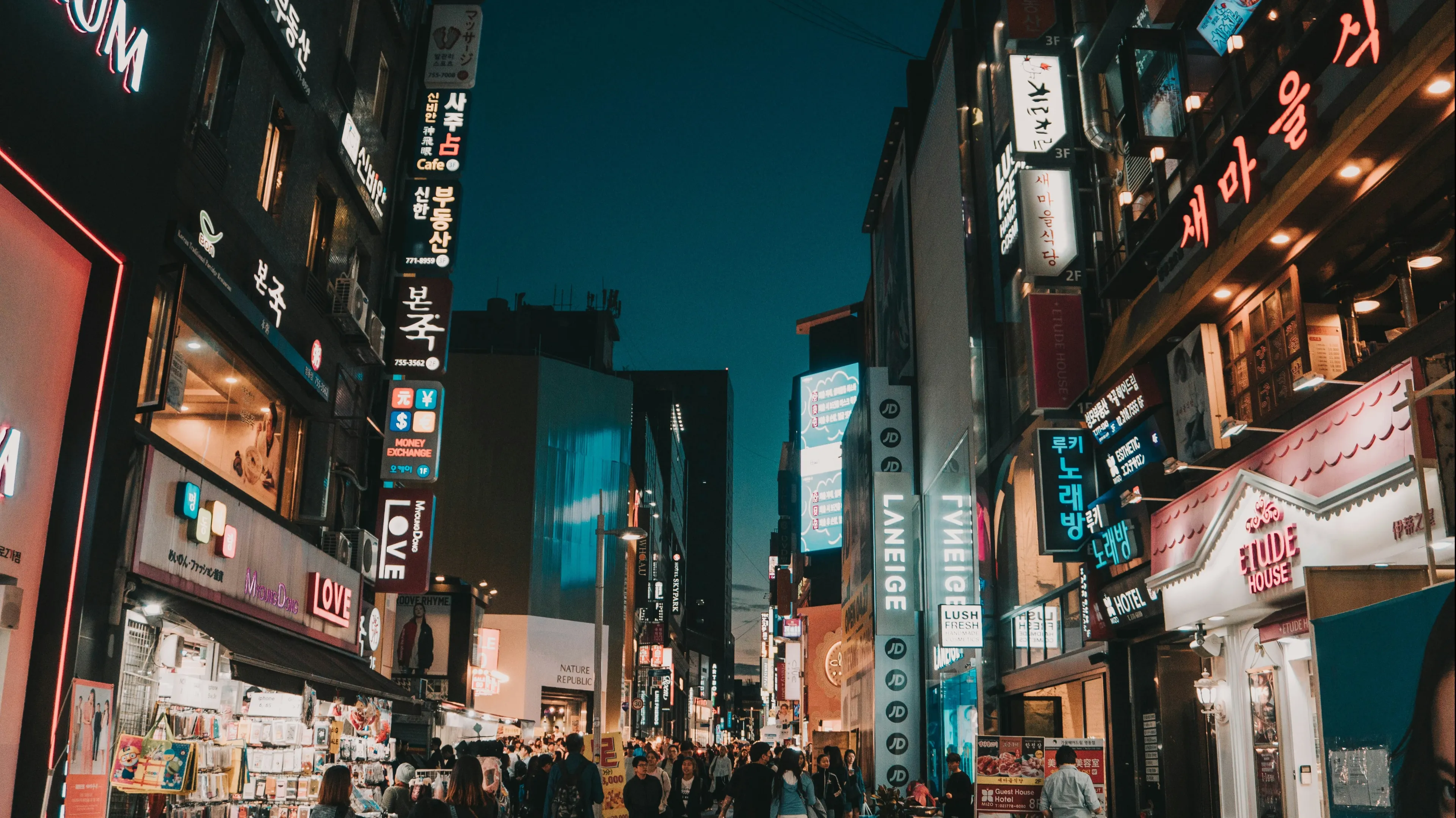
New signs of a bubble have emerged in the South Korean market, with an increasing number of retail investors getting involved in securities trading, including leveraged trading. Photo: Shawn / Unsplash.com
While market participants debated whether an artificial intelligence bubble was forming in the U.S. market, a similar bubble had already inflated in South Korea. Over the past year and a half, South Korea’s stock market initially grew nearly fourfold, but by July 17, it had fallen by a quarter from its June peak. There are at least two signs of a bubble: even children have gotten involved, and sales of luxury goods are on the rise.
New Leaders
When South Korean President Lee Jae-myung said last year that he hoped the KOSPI stock index would rise to 5,000 points, that goal seemed extremely ambitious (until mid-June of last year, it had not exceeded 3,000 points). But rising demand for semiconductors turned local AI chipmakers Samsung Electronics and SK Hynix into companies with a market capitalization of over $1 trillion. This, in turn, led to the KOSPI surpassing 9,000 points in June 2026, with these companies accounting for 50% of the index.
Thanks to the artificial intelligence boom, the Korean stock market has become one of the world’s best-performing markets this year, and in July, SK Hynix raised a record $26.5 billion for a foreign company in the U.S. through a depositary receipt offering on the Nasdaq.
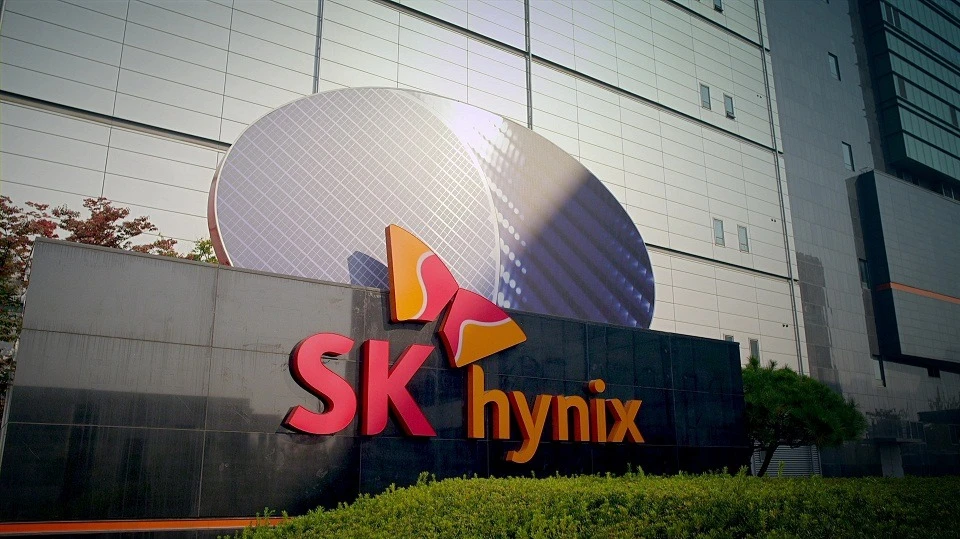
As a result, the Korean market has risen from 13th to 5th place globally in terms of total market capitalization in 2025, notes The Wall Street Journal. Meanwhile, the Taiwanese market—where TSMC, the world’s largest chip manufacturer, also became a trillion-dollar company with a weighting of more than 40% in the TAIEX index—rose from 10th to sixth place. In doing so, they have overtaken the markets of India, the United Kingdom, France, and Canada.
In June, the little-known chipmaker Kioxia became Japan’s largest company, and the market itself moved up from fourth to third place in terms of market capitalization. Only the U.S. and China rank higher.
But then the AI hype began to subside. Kioxia’s stock has fallen 46% over the past month. The KOSPI index has fallen by about 25% from its peak closing level of 9,114.55 points on June 22. Since the beginning of the month, it has dropped by nearly 20%.
Signs of a bubble
The stock market boom in Asian countries has swept up broad segments of the population. In Taiwan, taxi drivers trade stocks while on the road, according to the WSJ. And to catch a girl’s attention and ask her out on a date, all you have to do is say you work at TSMC.
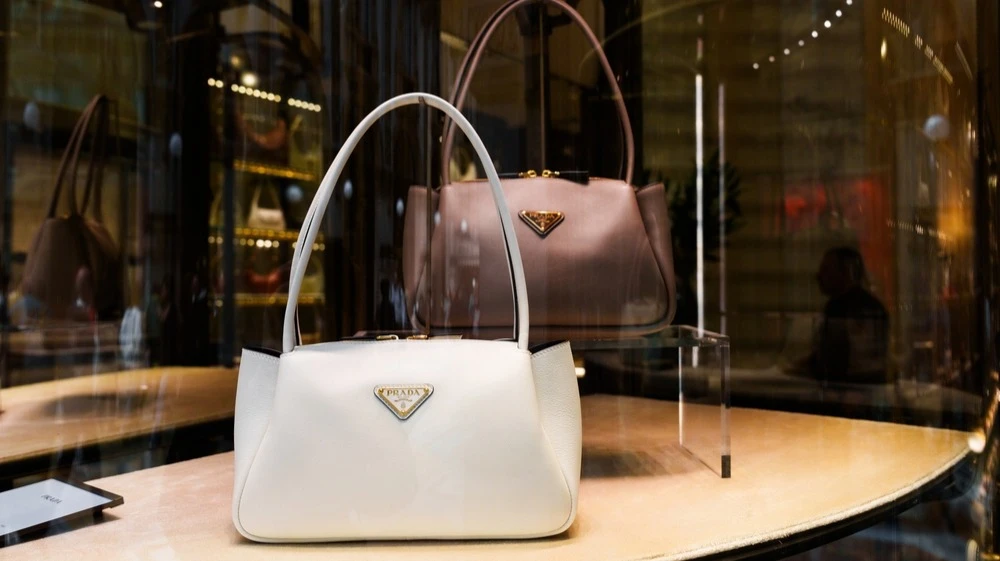
The rapid growth of the stock market is inevitably accompanied by a boom in the luxury goods market. Due to the influx of visitors, the Cartier store in one of Seoul’s most popular department stores ran out of certain items from its D’Amour jewelry collection in June. And Lim Chae-hoon, head of sales at a BMW dealership in Seoul, told the WSJ that his customers often talk about their investment successes.
Excessive spending on luxury goods by people associated with an overheated market sector is one of the signs of a bubble.
“We drove a little further and took a look at the company’s parking lot. It was an extraordinary sight—not mortgage brokers, but a full-fledged Ferrari dealership,” — writes Lawrence McDonald in his book *The Colossal Collapse of Common Sense*, describing a trip to the headquarters of New Century, which in 2006 was the second-largest subprime mortgage lender in the U.S.
McDonald, a vice president at Lehman Brothers, worked in the bank’s distressed assets division and, along with his colleagues, witnessed the mortgage and real estate markets beginning to collapse, even as Lehman Brothers itself continued to operate actively in those markets—a decision that ultimately led to its collapse.
I’d never seen so many of the most expensive cars parked so close together in one place before. In addition to Ferraris, there were British sports cars—Lotus and the latest Jaguar models—as well as luxury BMWs. There were Mercedes-Benzes galore. We even spotted a dark gray Bentley.
The scene described below, in which the protagonist meets with New Century mortgage brokers at a nearby bar, can be seen in the movie *The Big Short*. There is also another scene in the same movie where a dancer at a strip club tells the protagonist that she bought several houses with a mortgage.
The portfolio of Korean elementary school teacher Choe Seon-ho has grown about fivefold over the past year, exceeding $300,000 (at least, that was the case before the KOSPI crash). The portfolio included leveraged exchange-traded funds tracking the performance of semiconductor manufacturers’ stocks. Choe upgraded his mobile devices and planned to spend a six-figure sum on a car—either a Mercedes-Benz S-Class or a Tesla Model X.
“Even the kids at my school said their parents were happy about their stock earnings,” Choe told the WSJ in mid-June.
According to South Korean brokerage firm Toss Securities, parents opened more than 180,000 accounts for their children at the firm in the first quarter of this year, allowing the children to trade on their own.
Word-of-Mouth Investment Radio
The growing number of stories about how a cleaning lady, a driver, a neighbor, or a coworker has become incredibly wealthy on the stock market captures people’s imagination, prompting them to start investing as well. And this further fuels the market, driving prices to incredible heights, said David Fuller, founder of the Fuller Treacy Money investment newsletter.
It’s important to understand that such signs point to a bubble forming and that market highs are approaching soon, because retail investors, for the most part, enter the market toward the end of a bull market, when it’s already being touted from all sides. However, he noted that it is impossible to predict how long this trend will last or exactly when the bubble will begin to deflate.
Although some people do manage it. Fuller himself told this story: In February 2000, a technology stock fund manager was invited to a shareholders’ meeting of a company that had recently gone public. At the party, expensive champagne flowed freely, and the tables were laden with plates of caviar and other delicacies. In the parking lot near the office, the manager spotted three purple Lamborghinis. When he asked whose cars they were, he was told they belonged to the company’s founders.
After returning from the party, the manager sold all the shares, returned the money to the investors, and closed the fund. “How do I know this?” Fuller asked. “I was an investor in that fund.”
The dot-com bubble began to burst a month later: the Nasdaq Composite Index peaked in March, after which it fell 75% over the next 2.5 years.
One of the newsletter subscribers shared a similar story, but this time about the real estate bubble that culminated in the global financial crisis of 2008. He and his father had been thinking about selling their house for a couple of years until they saw a gardener (who, according to the subscriber, was fashionably called a “landscape designer” at the time) arrive by helicopter at a neighboring lot. They quickly sold the house. This happened in 2006, when real estate prices peaked and then began to fall.
Playing on Borrowed Money
"A bubble cannot form without excess liquidity," Fuller noted. The tech boom in the late 1990s and the mortgage boom in the mid-2000s in the U.S. were fueled by loose monetary policy: the Federal Reserve kept interest rates low for too long. Borrowed funds are often another source of excess liquidity. During booms, stories emerge of people mortgaging their apartments or taking out loans to invest.
Margin lending and the proliferation of high-risk financial products can also play a significant role. This is exactly what was observed in Korea.
The WSJ notes that one of the key factors behind the boom has been the emergence of leveraged exchange-traded funds (ETFs) tracking a single company’s stock: they are so risky that regulators require potential investors to complete several hours of training and pass an eight-question exam.
Several such ETFs tracking Samsung Electronics and SK Hynix shares—which double the price movement—were approved in April. But Korean investors had already begun purchasing these products from overseas brokers even before that. The Hong Kong-based CSOP SK Hynix Daily ETF (2x), which doubles the daily price movement of SK Hynix shares, has become the world’s largest leveraged exchange-traded fund.
Since October 2025, when this fund was launched, the price of its shares had risen by 1,176% by early July, while the KOSPI index had risen by 116%. At its peak in June, the unit price had risen by nearly 2,000%, but the subsequent decline has also been dramatic—40%.
"For retail investors looking for excitement, volatility is the main draw," says Maxens Vissot of the hedge fund Arkevium Capital.
Na Se-bin, a 24-year-old software developer from Seoul, has completely lost her sense of the value of money. Since January, she has invested nearly all of her savings—about $47,000—in the stock market. According to her, in a single second, she could either gain or lose an amount equal to her monthly salary. But she can’t bring herself to quit this game and jokes with her colleagues that they should even sell their underwear to buy more stocks.
Get out of the casino
Seeing the market’s疯狂 growth and incredible volatility, foreign investors are leaving the “Korean casino.” Since the beginning of the year, they have withdrawn nearly $110 billion from Korean stocks, largely to prevent their share of their portfolios from growing excessively, Reuters reports. As a result, local retail investors have become the main buyers of stocks.
““What worries me is that retail investors are driving the market higher because they have a lot of debt” taken on to buy stocks, said Alexander Redman, chief equity strategist at CLSA, who has begun divesting Korean securities.
In June, retail investors purchased $28.8 billion worth of stocks from the KOSPI index, with margin trading reaching a record $20 billion on June 24.
Over the past month, the exchange has had to suspend trading on more than one occasion due to a 10% intraday drop in the price of individual stocks or the entire index.
On July 7, for example, Samsung’s stock plummeted, dragging down AI-related stocks in both the Korean and international markets: the 19-fold increase in quarterly profits failed to impress investors, as it was only 6% higher than forecasts. The decline at the end of the day was smaller—about 7%—but continued thereafter.
With a decline of this magnitude, brokers may close out clients' margin positions, or investors themselves may sell out of fear, which pushes prices even lower.
The question of whether the South Korean market is currently on the verge of a sharp bubble burst remains open.
I don't like buying in markets that are shooting straight up, so I'm not doing anything right now. I like it when everything is terrible and misery and gloom reign all around. That's not the case in South Korea yet.
“This is a wake-up call—both for those who are greedy and for those who are fearful,” said Francis Tan, chief Asia strategist at Singapore-based Indosuez Wealth Management, alluding to the investment principle “be fearful when others are greedy, and be greedy when others are fearful.”
This article was AI-translated and verified by a human editor