Ma could be the worst month for oil since 2020
Trump said he would soon hold a "meeting in the White House Situation Room to make a final decision" on the deal - against this backdrop, oil prices intensified their fall

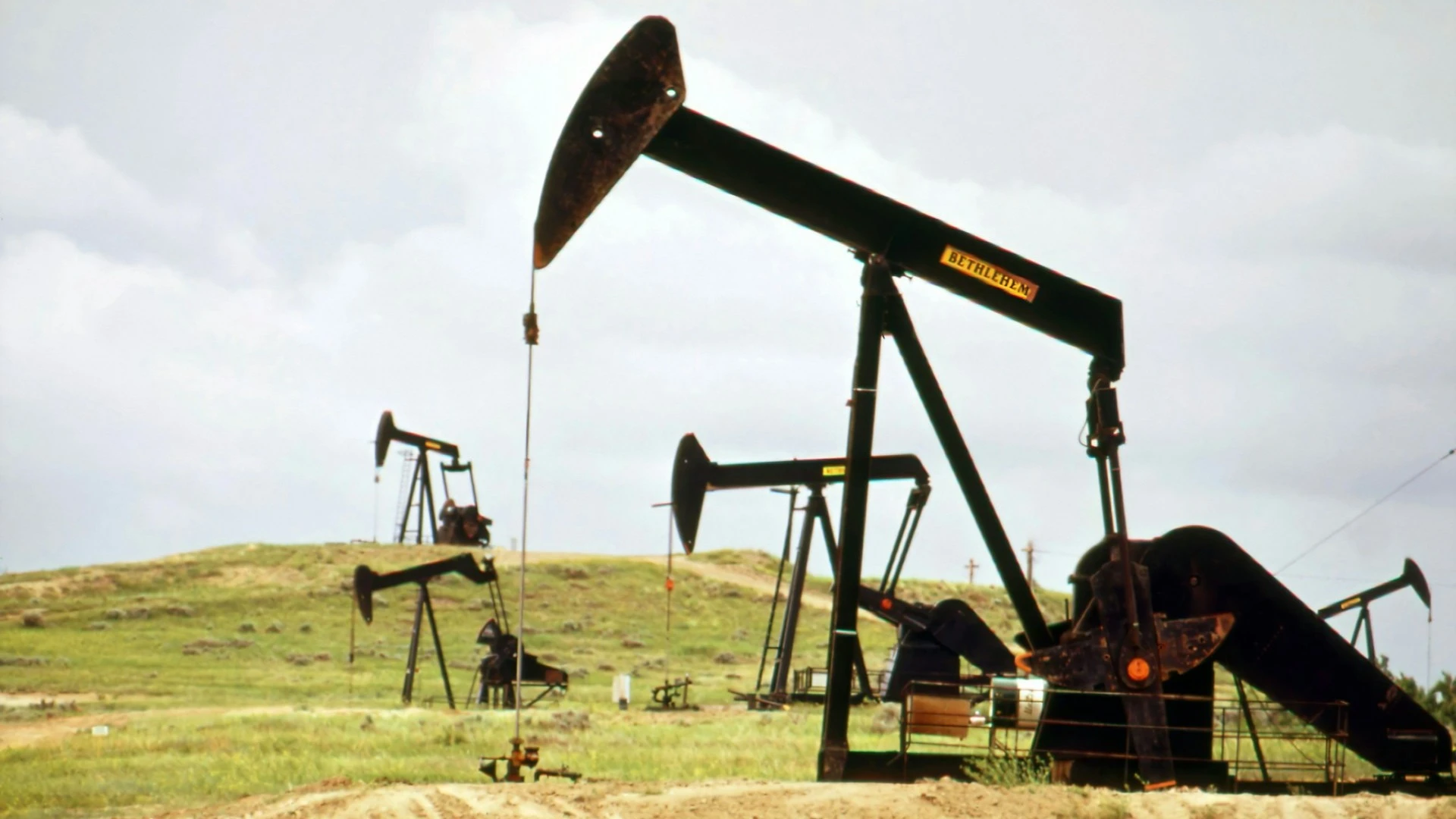
Oil price falls at record pace since pandemic began / Photo: Unsplash.com / Documerica
Global oil prices in May fell at the highest rate since the COVID-19 pandemic. Investors are counting on the imminent conclusion of an agreement between the US and Iran, which should help restore shipping through the Strait of Hormuz, one of the key routes for global oil and gas supplies.
Details
Brent oil of Mark with delivery next month has fallen in price by 19% since the beginning of Ma, and American WTI - by about 16.5%. Such a decline in quotations may become the largest for oil in the last six years, draws the attention of The Wall Street Journal. On Friday, Ma. 29, Brent with delivery in July traded at about $91.6 per barrel, losing more than 2% against the previous close, and WTI - cost about $87 per barrel.
The decline in quotations is due to growing optimism around a possible peace agreement between Washington and Tehran, writes The Wall Street Journal. U.S. Treasury Secretary Scott Bessent said the day before that the parties are close to reaching a deal, although the final approval of the deal is yet to come from U.S. President Donald Trump. Trump himself on May 29 in the social network Truth Social once again listed the conditions for the agreement: Tehran's renunciation of nuclear weapons and the opening of the Strait of Hormuz for commercial shipping - without charging Iran any duties. The U.S., the president said, is willing to lift the naval blockade on Iranian ships. "Other issues, much less important, have been agreed upon," Trump said, adding that he would soon hold "a meeting in the White House Situation Room to make a final decision" on the deal.
Axios reported on Ma 28, citing sources, that the U.S. and Iran had almost agreed on the terms of a 60-day memorandum on the extension of the ceasefire and guarantees of free passage of merchant ships through the Strait of Hormuz.
Context
Despite hopes for a diplomatic resolution to the conflict, however, the U.S. and Iran have exchanged strikes in the Persian Gulf region this week. On Thursday, Iranian forces fired ballistic missiles at Kuwait, CNBC specified, and sent attack drones toward the Strait of Hormuz. The U.S. also shelled southern Iran, explaining it was then for "self-defense" purposes.
Before the conflict in the Middle East, the Strait of Hormuz was used by about 20% of the world's marine oil supply and a significant amount of gas. After the war began on February 28, tanker traffic through the strait was restricted, which triggered a sharp rise in oil prices. At its peak amid the Iranian crisis, Brent jumped by 125% relative to its pre-war level.
Oil prices are likely to remain in the $90-100 per barrel range for at least the next few months until the market gets more clarity on the sustainability of a possible peace agreement, International Capital Markets Association (ICMA) senior advisor Bob Parker told CNBC. "Even if the Strait of Hormuz is opened, it is fair to assume that the lifting of the blockade will only prove to be partial," Parker added.
There are few signs of a rapid recovery in oil supplies yet, agree analysts at Swiss bank UBS, whose opinion is quoted by CNBC. Oil loading volumes in the Persian Gulf remain "extremely low", they noted. According to UBS estimates, Iranian oil exports in May amounted to less than 300 thousand barrels per day against 1.5 million barrels in April and 1.7 million barrels in March.
This article was AI-translated and verified by a human editor