Macquarie, following Citi, predicted oil at $200 if the war lasts until summer
A prolonged blockage of the Strait of Hormuz would make the raw material so expensive that the world would cut back on its consumption in "historically record volumes"

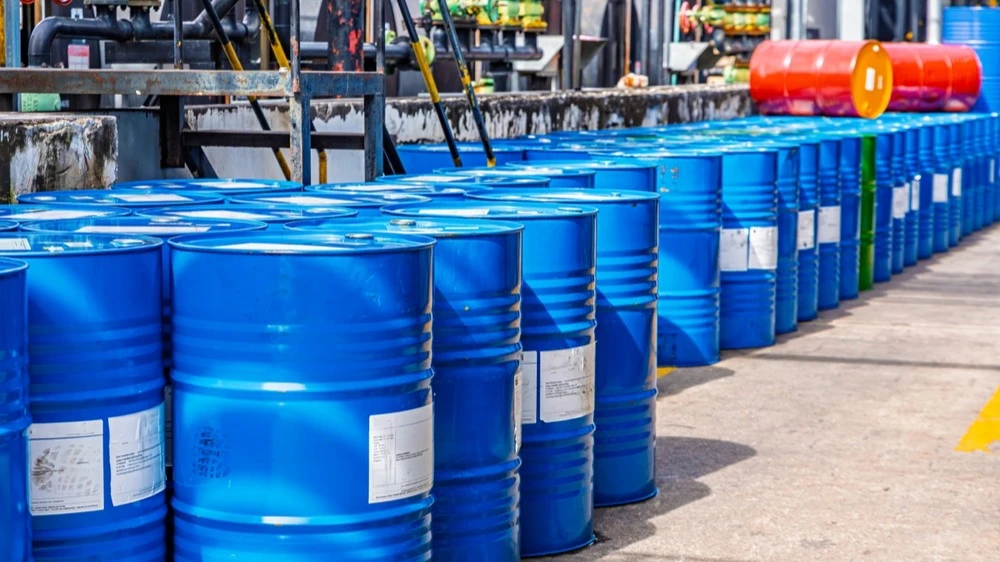
Macquarie and Citi this week warned of a rise in the price of oil to $200 if the war in Iran is not over by June / Photo: noomcpk/Shutterstock.com
Australian investment bank Macquarie, which operates in more than 30 countries, urged clients to prepare for a twofold increase in oil prices if the war in the Middle East drags on until June. Even if the U.S. and Iran agree on peace soon, the cost of a barrel will not fall below pre-war levels, its analysts are convinced. Earlier this week, Citi warned of oil at $200 a barrel if the conflict drags on.
Details
If the Iranian conflict continues throughout the second quarter, oil prices could soar to a record $200 per barrel, warned analysts at Macquarie led by Vikas Dwivedi. They estimated the probability of such a development at 40%, Bloomberg writes.
In a review published on March 27, analysts of the investment bank explained: with the prolonged blockage of the Strait of Hormuz, oil should rise in price so much as to force the world to sharply reduce its consumption - and in "historically record volumes". Ultimately, the long-term situation on the commodity markets will depend on two main factors: how quickly shipping will resume and how seriously the energy infrastructure will be affected, they said.
Their baseline scenario assumes with a 60% probability that the fighting in the Persian Gulf will stop at the end of March. If the war begins to subside soon, oil prices will fall in the coming months but will not fall below what they were before the war, Macquarie expects.
Context
Earlier this week, Citi warned of a worsening situation: the investment giant predicted that in the next month Brent oil will rise in price to at least $120 per barrel. If supply disruptions last until the end of June, the actual cost of a barrel, taking into account all markups on finished petroleum products, could soar to $200 for end consumers, the investment bank fears.
Assessing the scale of the supply problems, one of Citi's clients compared the current market shock to the "explosion of the Sun": the Earth will maintain the illusion of calm for exactly eight minutes as long as the light flies to it. However, the bank's strategists leave a 20% probability that the US and Iran will quickly come to an agreement and the Strait of Hormuz will reopen. In such an optimistic scenario, by the end of 2026 the barrel will fall in price to $65-70.
What's up with oil prices
Brent futures rose 1.5% on March 27 and approached the $110 per barrel mark amid skepticism over U.S.-Iran peace talks, Trading Economics wrote. The Wall Street Journal reports that the Pentagon is preparing to send 10,000 more troops to the Middle East and is mulling seizing the strategically important oil terminal on Kharq Island, while Tehran is mobilizing more than 1 million people.
US President Donald Trump has extended until April 6 the deadline given to Iran to open the Strait of Hormuz under threat of destroying energy infrastructure. But according to a Reuters source in the Iranian government, Tehran considers Washington's peace proposal conveyed to it through Pakistan "unilateral and unfair."
This article was AI-translated and verified by a human editor