Memory chip manufacturers' stocks are under pressure. Is it worth investing in them?
After a period of rapid growth, shares of companies in the memory sector were among the worst performers in the second half of the year due to market doubts about the sustainability of spending on artificial intelligence

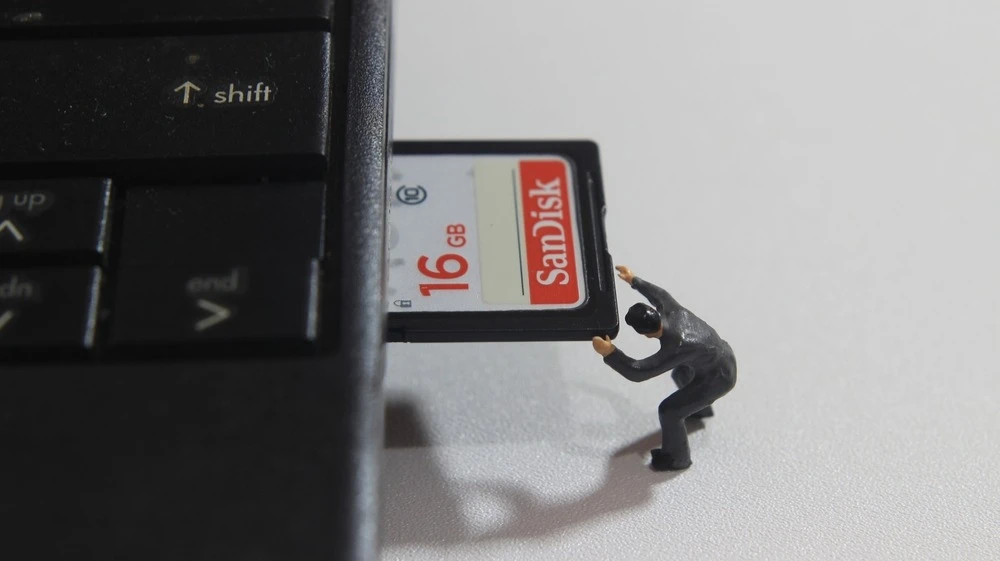
SanDisk's stock has risen by more than 400% this year amid strong demand for AI infrastructure components / Photo: Tutik_P / Shutterstock.com
Memory chip and data storage manufacturers SanDisk, Micron, Seagate, and Western Digital are losing favor with investors. While their stocks were among the market leaders in terms of growth in the first six months of 2026, they are now among the bottom 10% of stocks in the S&P 500 in terms of performance in the second half of 2026, Bloomberg reports.
Details
Shares of SanDisk and Western Digital fell by about 40%, Seagate lost 30%, and Micron dropped nearly 20% from the start of the third quarter through the close of trading on October 26. However, all four stocks remain significantly up year-to-date. SanDisk emerged as the top performer in this group, with its stock rising 452%.
The rise in memory manufacturers’ stock prices in the first half of 2026 was driven by demand for artificial intelligence infrastructure components, which seemed insatiable, according to Bloomberg. However, the trend has since shifted against the manufacturers. Investors have begun to question how long companies will be able to maintain their stated spending commitments.
Even strong quarterly reports aren't helping to reverse the negative trend, the agency reports. Last week, Western Digital reported better-than-expected results and raised its dividend. But its stock fell 3% the day after the report: investors were concerned that spending on artificial intelligence may have peaked. Micron reported earnings and revenue above forecasts in late September and issued an optimistic outlook, yet its stock fell 14% in October.
"The market is signaling that expectations regarding how long these companies' profit boom will last are changing," says Joe Tigay, portfolio manager at Equity Armor Investments.
Seagate will report its earnings after the market closes on October 27—analysts expect the company’s net income to triple. SanDisk will release its results on Thursday—its earnings per share are projected to increase by more than 6,100%. On Tuesday, Seagate’s stock rose nearly 5%, SanDisk and Micron’s rose 3%, and Western Digital’s rose 7%.
What Matters to Investors
To keep prices up, memory chip manufacturers need not only to post strong results for the past period, but also to confirm those results in the next quarter and the one after that, says Andre Bahos, president of Ingenium Analytics.
At the same time, analysts expect Seagate and SanDisk’s revenue growth to slow in the coming years. According to forecasts cited by Bloomberg, Seagate’s revenue in fiscal year 2027, ending in June, will grow by approximately 56%, after which the growth rate will slow to 37% in fiscal year 2028 and to 20% in 2029. SanDisk’s revenue is expected to grow by 140% in fiscal year 2027, but growth will slow to 20% in 2028, and revenue could decline by 7% in 2029.
At the same time, stocks in the sector remain undervalued. Micron is trading at a price-to-earnings ratio of about 5 based on projected earnings for the next 12 months—the second-lowest ratio in the S&P 500 after Charter Communications. SanDisk’s P/E ratio is less than 6. Western Digital’s ratio stands at around 12, and Seagate’s at 15, whereas the S&P 500 as a whole has a ratio of about 19, and the Nasdaq 100 index has a ratio of 20. Analysts’ consensus forecasts predict that Seagate’s stock will rise by more than 70% over the next 12 months and Sandisk’s by more than 80%. According to Bloomberg, among the 74 technology stocks in the S&P 500, Micron, Seagate, SanDisk, and Western Digital are among the seven companies with the greatest growth potential.
“People are understandably nervous during a sell-off because it’s unclear whether the market has peaked or is simply letting off steam before a new growth cycle,” said Bahos. “In the short term, those who lock in profits come out on top, but in my view, long-term investors are in a strong position.”
This article was AI-translated and verified by a human editor