Mercedes profits have collapsed by a third. Why has the stock jumped the most since April?
Mercedes considers 2025-2026 as a transition period

German automaker Mercedes-Benz, which has recently been struggling with both internal and external challenges, reported a sharp decline in net profit in the third quarter. Despite this, the company managed to improve profitability and reaffirm its share repurchase program. Shares jumped.
Details
Mercedes' net profit fell to €1.2 billion in July-September - down 31% from the third quarter of last year. In the first nine months of 2025, the company's profits collapsed by half. Global sales fell 7% last quarter.
Nevertheless, after the publication of the report, Mercedesshares soared by 7.9% and became the leaders of the German blue chip index DAX. According to Bloomberg, the jump in quotations became the strongest for Mercedes since April. Investors reacted to the fact that the company's profitability excluding one-time factors (adjusted return on sales, ROS) in its core automotive business rose to 4.8% from 4.7% a year earlier and exceeded the consensus forecast, Reuters writes. By the middle of the trading day, the carmaker's shares lost some of the growth and traded in the plus by about 5%.
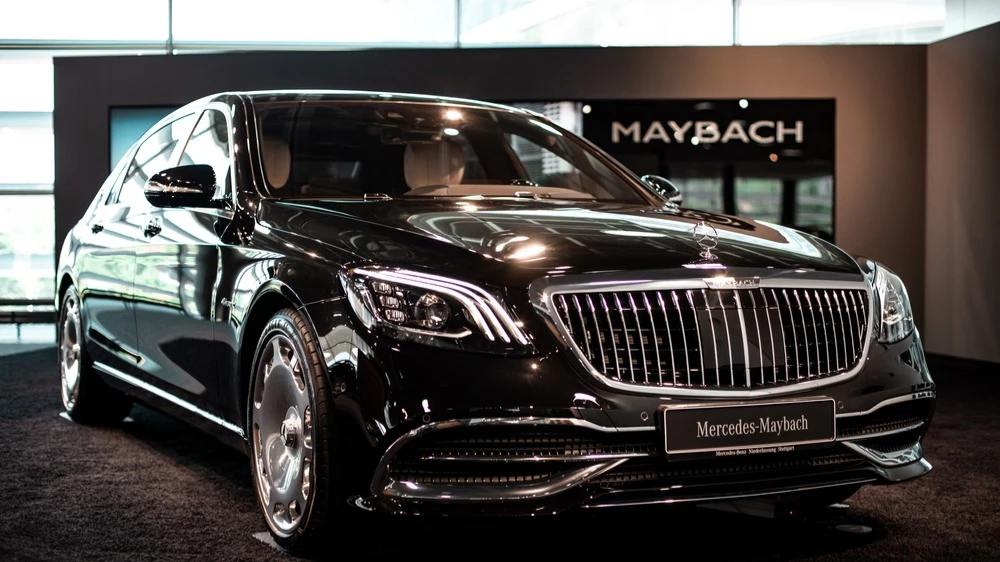
Profitability was boosted by a 10 percent increase in sales of top Mercedes models, including the Maybach and AMG luxury brands. Free cash flow for the quarter was positive at €1.4 billion. This allowed the company to confirm its full-year forecast and plans for a €2 billion share buyback.
What's going on with the company
Mercedes is struggling with both self-created problems and difficult market conditions, Handelsblatt writes. In the key market - China - wealthy customers important to Mercedes are being cautious. In the second most important market - the United States - profitability is negatively affected by duties. In Europe, demand for cars is constrained by the weak economy, the publication notes.
In addition, Mercedes' results were pressured by one-off costs: in the third quarter, they amounted to €1.4 billion, of which €876 million came from payments under the Next Level Performance cost optimization program. The automaker plans to save about €5 billion by 2027, of which about €1 billion is due to staff cost reductions. However, in the short term, severance payments put a strain on the company's budget - some employees have been offered six-figure sums, according to Handelsblatt.
Mercedes is the only German manufacturer to reduce its share in the three most important markets in 2025: the PRC, the USA and Europe. The company's management states that it is ready to sacrifice its share in China than to sell cars with excessive discounts. Mercedes sees 2025-2026 as a transition period. The automaker expects to change the situation by updating the model range and returning to a more traditional design: dozens of new models are planned to be launched in the coming years, and electric cars will be almost indistinguishable from cars with an internal combustion engine.
What the analysts are saying
JPMorgan Chase, Wall Street's largest bank , maintained its "Buy" recommendation and target price of €68 per share after the report. UBS, RBC, Jefferies and Bernstein left "Neutral" (Neutral) rating - that is, they recommend not to buy, but also not to sell, reports MarketScreener.
According to the portal, the current consensus rating on Mercedes is "Outperform", which implies a buy recommendation. The average target price of €59.9 implies a potential upside of 9.6% to the closing level of October 28.
This article was AI-translated and verified by a human editor