Musk will set aside nearly $20bn worth of SpaceX stock for individual investors - FT
The entry threshold at online brokers varies from zero to $100,000 in an account

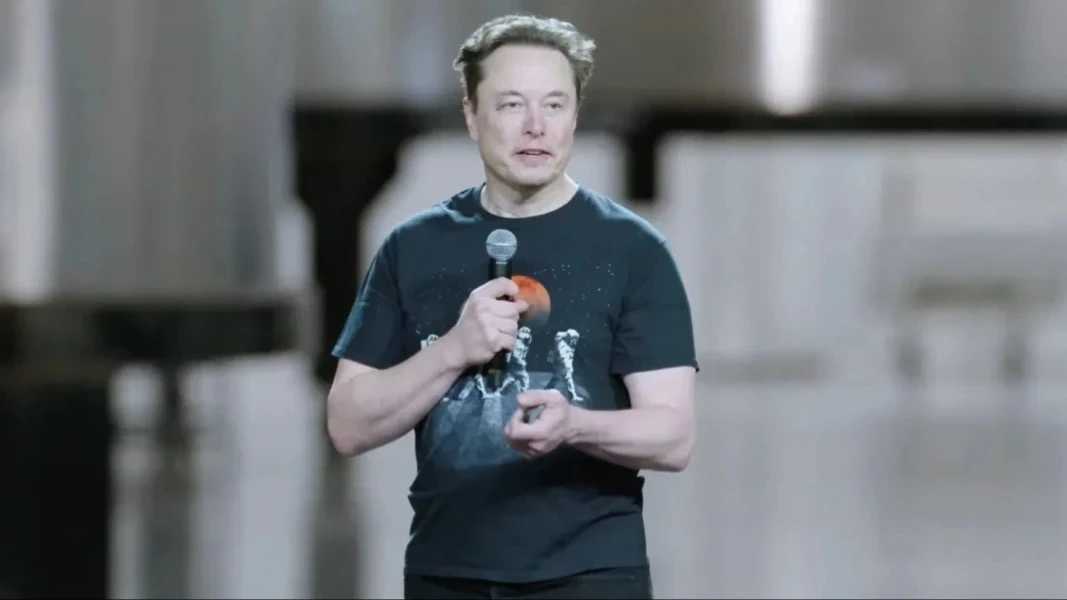
Elon Musk promised back in 2020 to see to it that retail investors got "top priority" if SpaceX went public
Elon Musk intends to give retail investors up to a quarter of SpaceX's $75 billion offering, the Financial Times reports, citing people familiar with the preparation of the deal. Thus, retail investors may receive almost $20 billion worth of SpaceX shares during the offering. According to the newspaper's sources, the billionaire wants to give small shareholders one of the key places in the ownership structure of the world's most expensive aerospace company from the very beginning.
Details
The final share of retail investors has yet to be determined and will depend in part on demand. For large IPOs, that quota is usually much lower: individual buyers have historically gotten 5-10% of the shares offered. "Elon's philosophy is entirely built around providing access for a wide range of investors, so he wants to attract retail," one source told the FT. SpaceX's new IPO website, launched on June 4, calls individual investor participation "important" and directs them to brokers where they can apply for shares. Those, in turn, will provide SpaceX underwriters with daily demand data.
Why it's important.
At Tesla, Musk also pays special attention to individual investors: at confcalls, he first answers their questions, which is atypical for CEOs of major public companies. This attention has helped to create an unusually loyal audience, says the FT: the ratio of Tesla's market price to the profit generated is one of the highest among Wall Street blue chips.
One manager of a small hedge fund told a British newspaper that institutional players usually treat private investors with disdain: "The rest of the market considers retail to be garbage, and there is an assumption that they will buy [the stock] at any price. At the same time, he himself admitted that he also plans to buy SpaceX shares - and sell them on a wave of passive demand when the company starts to be included in major indexes.
Where to invest in the SpaceX IPO?
SpaceX took the unusual step of explicitly listing five online brokers in its IPO prospectus through which the securities will be distributed: Charles Schwab, Fidelity, Robinhood, SoFi Technologies and Morgan Stanley's E*Trade. Fidelity, which traditionally required at least $100,000 in an account to participate in the IPO, lowered its entry threshold to $2,000. The company said it expects "significant" demand: customers can apply to buy between one and 1 million shares. Schwab requires a brokerage account balance of at least $100,000. Meanwhile, Robinhood, SoFi and E*Trade did not name a minimum amount at all, Forbes points out.
It is still unclear how much securities will be distributed through each of the platforms. Fidelity explained that the volume of the investor's request will not play a role in the allocation of shares, only ensuring that participants do not receive more securities than they requested. SoFi and Robinhood warned that they may reduce the volume of distributed securities or completely refuse to fulfill orders to those clients who previously participated in the IPO and got rid of shares in the first month after the placement, writes Forbes.
Where's the risk?
SpaceX added a warning to its prospectus: widespread participation by retail investors could exacerbate price fluctuations. Morningstar analysts said earlier this week that SpaceX's current OTC valuation of $1.5 trillion is overstated by half, and that patient investors could buy its stock "at more attractive levels" in the months after the IPO. Investor Michael Burry, known for the movie "The Downgrade Game," wrote that there is "nothing" in SpaceX's listing prospectus that supports the company's $1 trillion valuation, "let alone $2 trillion."
PitchBook's Franco Granda warned that SpaceX stock could trade like Tesla "on steroids" - its quotes are known for high volatility. Jay Ritter, a finance professor at the University of Florida, told Forbes that SpaceX's stock price is likely to be affected by the "Elon Musk effect": it will fuel demand at the IPO stage, but in the long term it will add to the uncertainty associated with the founder's figure.
This article was AI-translated and verified by a human editor