Nasdaq soars 3.5%, Brent drops to $91: how trading opened in New York


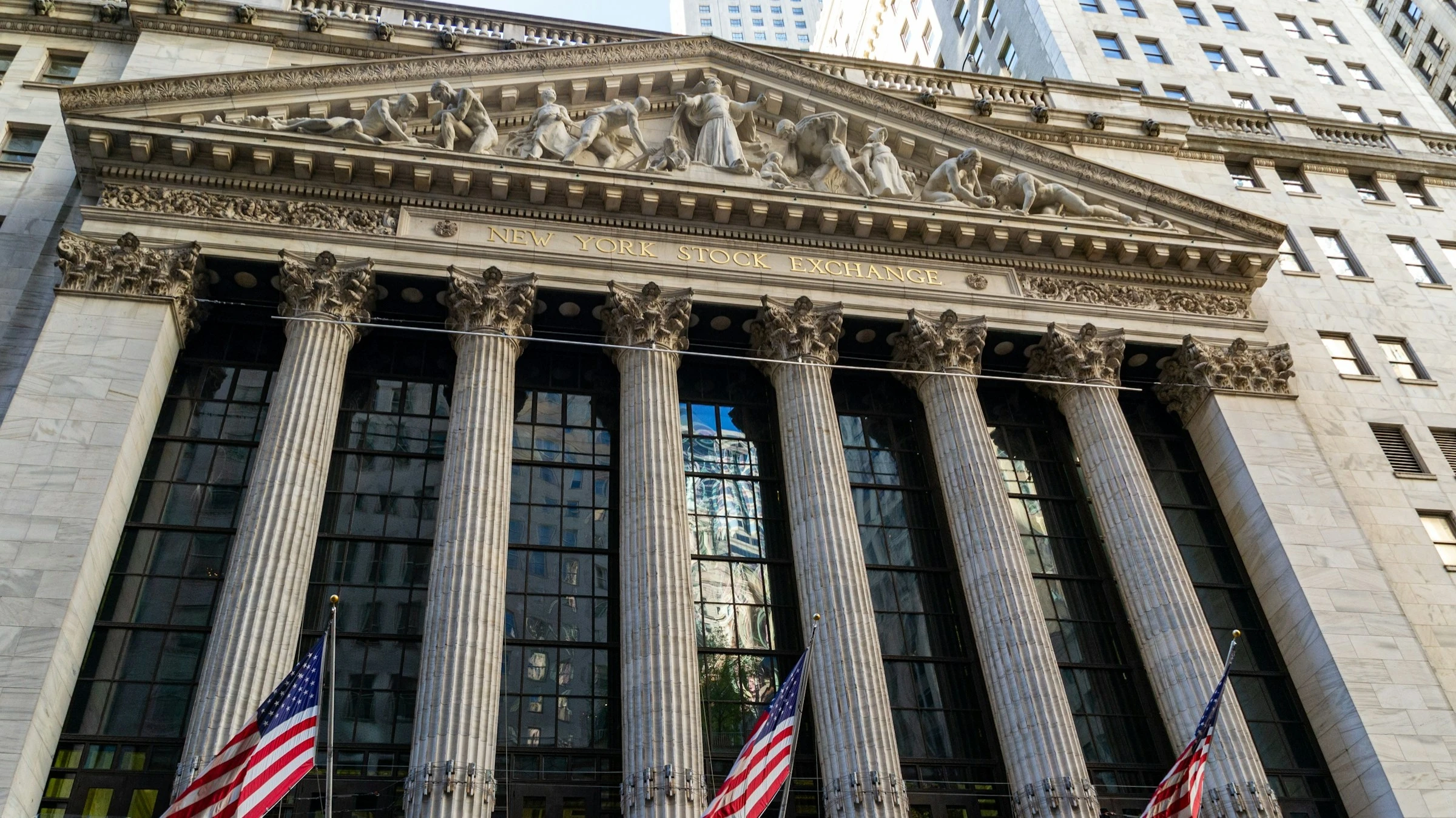
Major U.S. indexes rose sharply on April 8 thanks to a ceasefire between the U.S. and Iran / Photo: Unsplash/David Vives
All three major U.S. stock indices rose sharply in early trading on April 8, with the "technological" Nasdaq adding 3.5% at the moment. Brent and WTI oil prices are falling by more than 16%. The rise in U.S. stocks is driven by Donald Trump's announcement to suspend attacks on Iran. Tehran agreed to a two-week truce and said it would allow ships to pass through the Strait of Hormuz.
Details
- The S&P 500 broad market index was up 2.5 percent in the first minutes of trading after the open.
- The blue-chip index Dow Jones Industrial Average was up about 3%.
- The Nasdaq Composite index of the technology sector added 3.5%. Shares of Tesla were up 5% at the moment, while Meta securities showed comparable growth rates. Shares of Apple and Microsoft grew by 2%, Nvidia and Amazon - by 3%, Alphabet - by 4%.
- The CBOE Volatility Index, called the "Wall Street Fear Index", fell 22% and was below the psychological mark of 20 points. Values above it indicate increased volatility.
- The price of Brent crude fell 16% to $91.1 per barrel, while the price of U.S. WTI crude was down 18% to $92.6 per barrel.
- The Bloomberg Dollar Spot Index was down 1 percent, the strongest pace since Jan. 27, back to where it was at the start of 2026.
- European markets were also mostly up. The Stoxx Europe 600 index rose by 4.3%, the German DAX by 5.2%, the British FTSE 100 by about 3% and the French CAC 40 by 5%,
- The spot gold price rose 2% to $4792 per troy ounce.
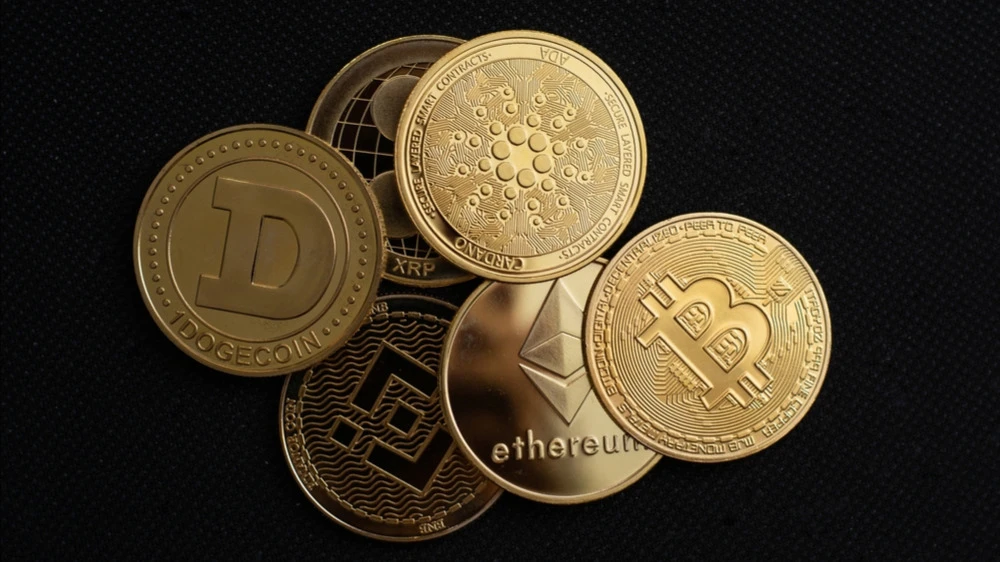
- Bitcoin was up about 5% to $72,000, the CoinGecko service shows.
What drove the market
U.S. stocks jumped at the opening of exchanges in New York after the U.S. and Iran announced a 14-day cease-fire, with Tehran agreeing to open shipping through the Strait of Hormuz, critical for Persian Gulf oil exports, for that period. The two sides announced the deal shortly before U.S. President Donald Trump's deadline, pausing the conflict that has cut off a crucial waterway for global energy supplies and sent stock prices plummeting, more than five weeks after it began.
Although there have been reports of continued fighting in the region since the truce was announced, the agreement reduces fears of a global economic crisis, according to Bloomberg. The agreement creates a solid basis for peace in the Middle East in the short term, says Wolfe Research analyst Chris Senyek, quoted by the agency.
Iran requires cargo carriers to pay fees in cryptocurrency for tankers passing through the Strait of Hormuz, the Financial Times reported. Tehran has set the tariff at $1 for each barrel of crude, Hamid Hosseini, a spokesman for the Iranian Union of Exporters of Oil, Gas and Petrochemical Products, told the newspaper. Empty tankers, he said, can pass through for free.
The news is complemented by...
This article was AI-translated and verified by a human editor