Zara's owner's profit fell short of expectations despite a strong start to the fall season
Sales jumped 9% in August, despite the heat wave in Europe

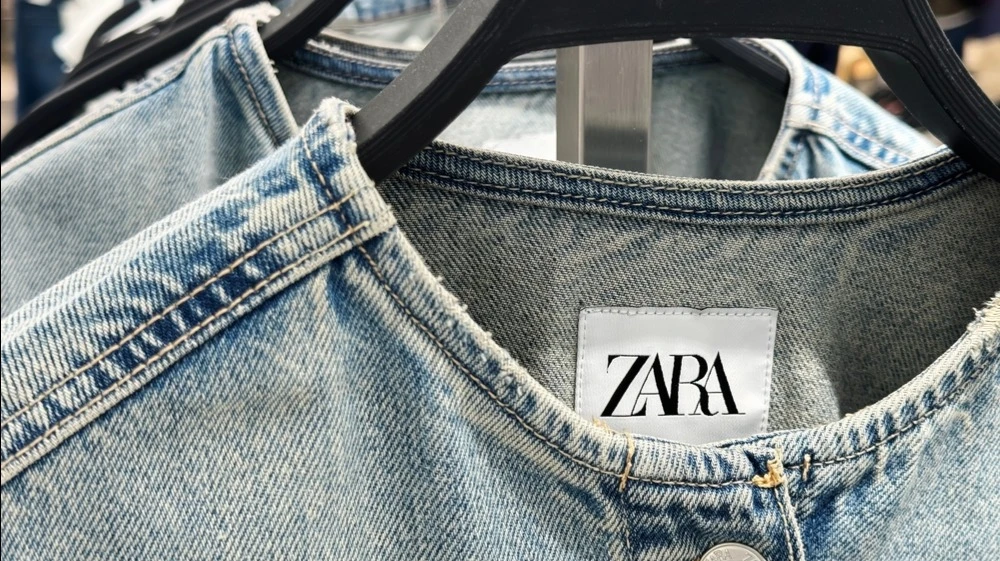
The conflict in the Middle East continues to have a negative impact on Inditex's business / Photo: Robert Way/Shutterstock.com
Profits for Inditex, the parent company of Zara, fell short of analysts’ expectations in the second quarter due to rising costs caused by the conflict in the Middle East. However, sales at the start of the fall season rose 9%, demonstrating resilient demand despite extreme heat in Europe. Inditex shares fell 3.6% during trading on September 9 in Madrid.
Details
On September 9, Inditex reported a 7.6% increase in sales for the first half of 2026, reaching €19.8 billion. Net income increased by 6.8% to €3 billion. However, in the second quarter, gross margin stood at 56.7%, falling slightly short of analysts’ expectations, according to Reuters. Sales from May through July rose 9.1% year-over-year to €11 billion. The company achieved this revenue growth despite high energy prices and weak consumer sentiment amid the U.S.-Iran conflict.
"The turmoil in the Middle East led to higher transportation and production costs in the first half of the year," Inditex CFO Andrés Sánchez Iglesias said during a call with analysts, according to Reuters.
At the same time, the start of the fall season proved to be strong. Inditex’s sales from August 1 to September 7 rose 9% compared with the same period last year, on a constant currency basis, according to Reuters. Strong sales momentum continued despite record-breaking heat. Western Europe experienced one of the hottest periods on record, forcing retailers to adjust their purchasing and delivery schedules as shoppers delayed switching to fall clothing, the agency notes.
"Current sales look very strong, despite last year's higher base, the hot weather, and the slowdown in U.S. consumer demand reported by competitors," said Berenberg analyst Ann Critchlow, as quoted by Reuters.
The war is increasing the company's expenses
The company's sales in the Middle East were affected by the war, although the situation has improved compared with the first quarter. The group has about 480 stores in the region operating under a franchise model, and all of them are currently open, according to Reuters.
Amid rising costs for raw materials and transportation, Inditex was able to maintain relatively strong sales growth thanks to its flexible procurement system and integrated logistics. These features of the business model help the company weather challenges that have already impacted sales at other apparel and consumer goods manufacturers, according to The Wall Street Journal.
At the same time, the company continues to invest in business development. Inditex reported in its earnings release an additional €200 million in capital expenditures for the modernization of its corporate offices. This is in addition to the €2.3 billion in investments already planned for this year. According to RBC estimates, Inditex’s annual capital expenditures are roughly three times those of Sweden’s H&M, Reuters reports.
Context
Inditex operates in a market where competition is intensifying from cheaper, online-focused platforms such as Shein and Temu. However, UBS analysts consider the group a “structural winner” thanks to Zara’s position, according to the WSJ.
“Today, Zara plays a more important role than ever in the fashion world,” said Inditex CEO Óscar García Maseiras during a conference call, according to the WSJ. Inditex expects the total floor space of its stores to grow by about 5% this year. At the same time, the company continues to reduce its total number of retail locations by closing stores in less desirable locations and focusing on larger flagship stores. As of the end of July, the group had 5,444 stores, down from a peak of 7,490 in January 2019.
The company is also expanding its lowest-priced brand, Lefties. Inditex is launching it in the United Kingdom and plans to open stores in Germany next year, aiming to attract lower-income shoppers.
What about the stocks?
Following the release of the report, Inditex shares fell 3.6% in Madrid to €54.48. Since the beginning of the year, they have declined 3.3%. In August, the shares reached a record high of €59.1, after which Inditex’s market value surpassed that of luxury group Hermès, Reuters notes.
FactSet shows that the most common analyst recommendation for Inditex shares is “Buy.” The stock has 15 “Buy” ratings and four “Overweight” ratings, compared with seven “Hold” ratings and one “Sell” rating.
This article was AI-translated and verified by a human editor