The yield on 10-year Treasuries reached its highest level since 2023. What didn't sit well with the market?
The Ministry of Finance’s move to accelerate the redemption of government debt failed to boost the government bond market—investors were disappointed by the announced volume of transactions

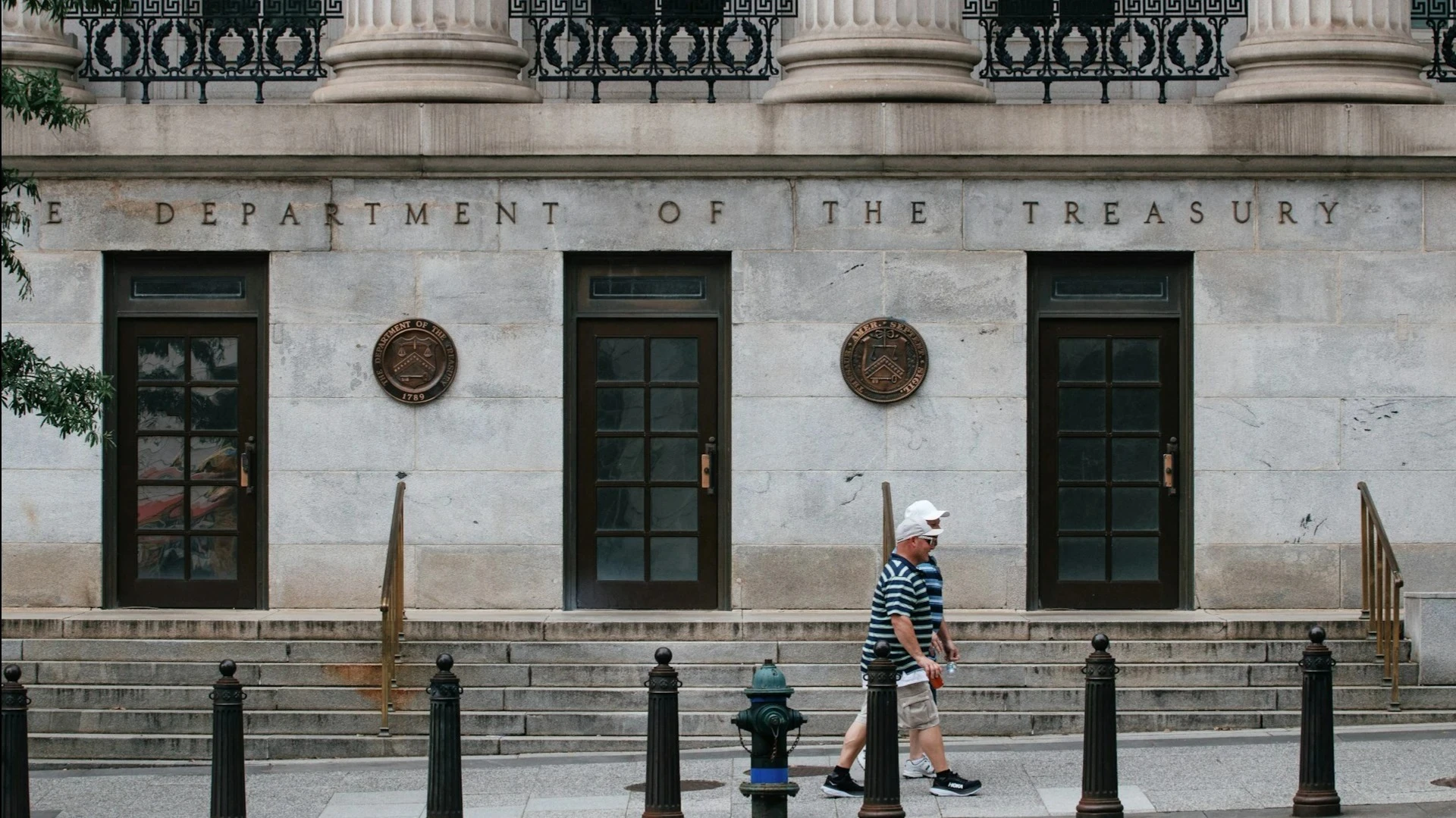
Treasury yields are rising because the market was not satisfied with the volume of bond redemptions / Photo: Unsplash/Connor Gan
The yield on 10-year U.S. Treasury bonds rose to a nearly three-year high after the Treasury Department announced on September 10 that it would increase its repurchase of long-term bonds to $6 billion. Investors had been hoping for a more substantial intervention and viewed the announced amount as insufficient, the Financial Times notes.
Details
The U.S. Treasury Department announced on September 9 that, as part of the first operation under its expanded bond-buying program, it will purchase $6 billion in government bonds, according to the Financial Times. This is one and a half times the $4 billion amount announced on August 19.
However, Wall Street analysts had expected the buyback to total $8–10 billion, the FT reports. Following the announcement, the yield on 10-year Treasury bonds rose by about 0.05 percentage points to just under 4.86%—a high not seen since late 2023. With bonds, the yield rises as the market price of the security falls.
“The $6 billion figure was disappointing: [U.S. Treasury Secretary Scott] Bessent was expected to do more. That’s precisely why yields are rising,” the FT quotes Mike O’Rourke, an analyst at Jones Trading, as saying. The analyst believes the Treasury Secretary should abandon this policy entirely.
The U.S. Treasury expects that expanding the buyback program will help stem the sell-off of long-term U.S. bonds. Higher yields on these securities increase borrowing costs for consumers and businesses and also affect asset prices worldwide, the FT notes.
Context
The buyback program is primarily aimed at increasing liquidity in the world’s most important bond market. The U.S. Treasury will buy back older, less liquid bonds with maturities of 10, 20, and 30 years and replace them with newer issues. The department expects this to help smooth out sharp price movements, but does not aim to directly set yield levels, the FT explains.
The initial announcement in August that the buyback program would be expanded from $2 billion to $4 billion did not halt the rise in yields. Pressure on the market is intensifying due to concerns about the U.S. budget deficit, inflationary risks amid the war with Iran, and rising oil prices, the FT reports.
“I’m not sure how much these buybacks will ultimately affect the Treasury bond market,” said Subadra Rajappa, head of U.S. research at Societe Generale. According to her, the Treasury needs to address the issue of public debt and deficit dynamics, while the other measures are merely “cosmetic.”
On September 10, the Ministry of Finance will announce the list of bonds to be included in the operation and will conduct the buyback itself. An auction of 30-year bonds will take place on the same day. Its results will serve as another test of Bessent’s strategy to curb the rise in long-term yields, the FT concludes.
This article was AI-translated and verified by a human editor