‘Not a good print’: September inflation data sends U.S. stocks and bonds lower



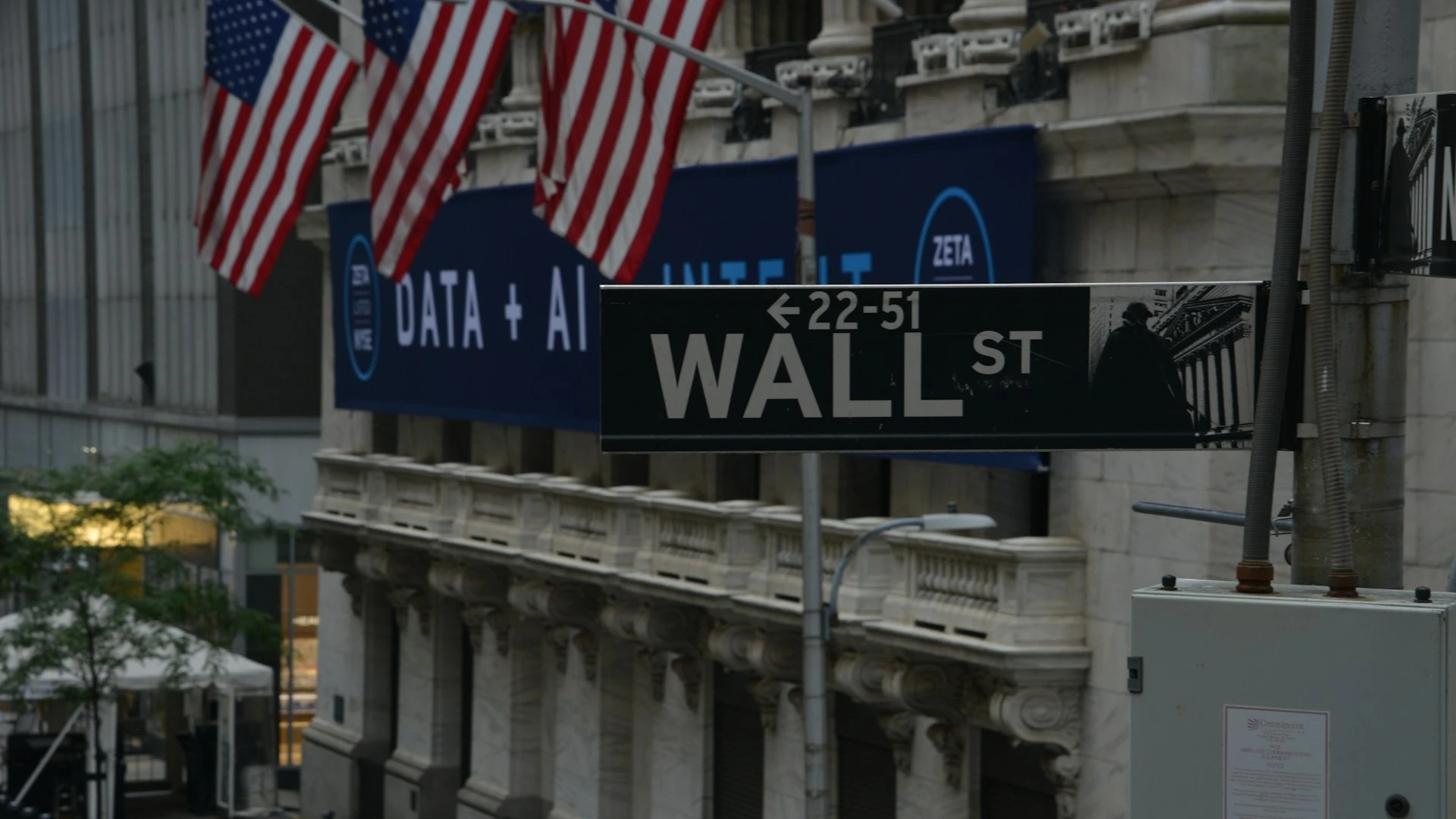
U.S. consumer prices advanced in September at the fastest pace in five months, while the gauge of underlying price pressures rose more than expected / Photo: X / NYSE
The S&P 500 and Nasdaq Composite fell on Wednesday following the release of fresh inflation data out of the U.S. While the figures came in only slightly above economists’ forecasts, U.S. consumer prices rose in September at their fastest pace in five months.
Details
The broad U.S. stock benchmark, the S&P 500, slipped 0.4% in the opening minutes of trading, while the tech-heavy Nasdaq Composite lost 0.5%. The blue-chip Dow Jones Industrial Average also opened in the red but then pared its losses to register a modest 0.19% gain.
U.S. equities' losses later deepened: the S&P 500 retreated to down 0.75%, the Nasdaq Composite to down 1.0%, and the Dow Jones returned to negative territory, off 0.05% at the time of this writing.
A selloff also hit U.S. government bonds: the 10-year Treasury yield, a key benchmark for mortgages, auto loans, and credit card debt, jumped 10 basis points on Wednesday to 5.323%. That was its highest level since October 8, CNBC noted. The 30-year Treasury yield rose five basis points to 5.61%. The two-year Treasury yield, which closely tracks the Fed’s interest rate decisions, reached 4.94%, its highest level since September 29, CNBC reported. Treasury yields and prices move in opposite directions: when prices rise, yields fall, and vice versa.
Context
The U.S. consumer price index rose 3.7% year over year in September, exceeding the Dow Jones consensus forecast of 3.6%. Core inflation, which excludes food and energy prices, came in at 2.6%.

The inflation print triggered a sharp increase in market expectations for another Fed rate hike soon. Before the CPI report, traders had priced in around a 20% probability of an October hike. After the release, that probability briefly jumped to 50%. Markets expect another rate hike in December.
What analysts say
The September inflation report “is not a good print for the Federal Reserve,” in the view of Pimco economist Tiffany Wilding, according to MarketWatch. The release put a possible rate hike at the Fed’s meeting in two weeks back on the table, she noted.
Tim Urbanowicz, chief investment strategist at Innovator ETFs, agrees: “In our view, today’s print puts the Fed’s tactical breather priced into the market for October in question,” he said, as quoted by Bloomberg. “With $100-plus crude adding friction to already sticky core prices, the latest data increasingly complicates the disinflation narrative and may limit the Fed’s flexibility.”
With inflation remaining sticky, the Fed may need to raise rates higher and keep them there for longer in 2027, reckons Christopher Rupkey, chief economist at Fwdbonds. “The bond bulls have turned around and are running the other way as 10-year yields have shot higher after today’s shocking inflation report,” he said, as quoted by CNBC. “Inflation is alive and the only way the Warsh Fed knows how to kill it is with another dose of higher rates.”