The IEA warned that the diesel shortage will continue into 2027. Oil prices have resumed their upward trend

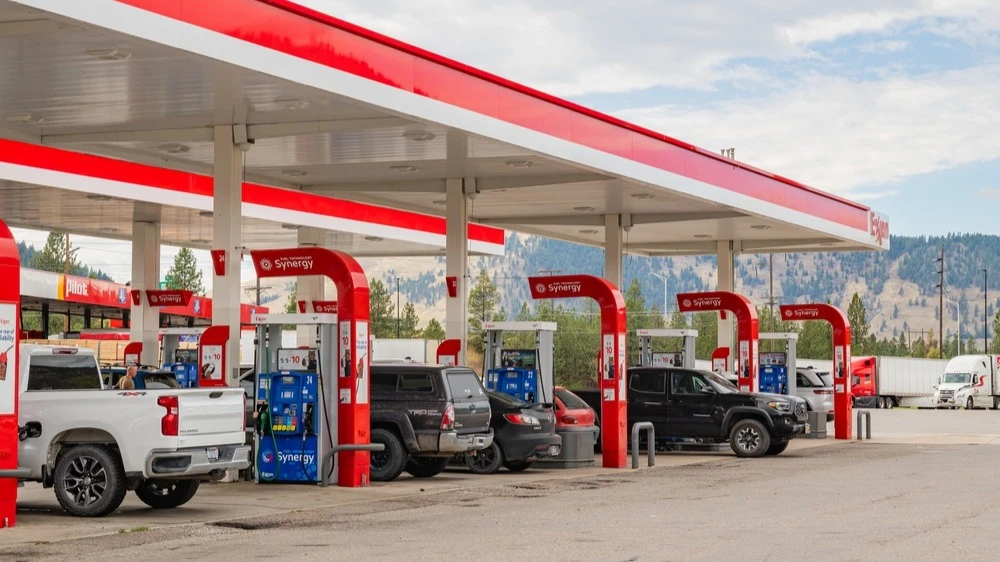
The International Energy Agency says the diesel fuel shortage will continue into 2027 / Photo: Heidi Besen / Shutterstock
Tightness in the diesel fuel market, driven by dwindling inventories, declining exports, and the war in the Middle East, will continue into 2027, the International Energy Agency (IEA) warned on October 14. Against this backdrop, oil prices have resumed their upward trend, according to CNBC: Brent rose nearly 1% to over $106 per barrel, while U.S. WTI is trading at $95.3.
Details
In its October report on the state of the oil market, the IEA stated that diesel fuel supply will remain tight in the second half of 2027.
According to the IEA, global diesel exports in September fell by 700,000 barrels per day compared with the same period last year. The decline in shipments from Russia and the Middle East by 1.3 million barrels per day “was only partially offset by an increase in shipments from other sources,” the report states.
The decline in supply during the third quarter ran counter to seasonal trends. As a result, combined with the fact that inventories had declined “much more sharply than usual” over the previous three months, this “deprived global gasoil markets of the necessary inventory buffer ahead of the winter peak in demand,” the agency emphasized.
Although high prices have generally dampened demand for oil, the IEA noted that “demand for diesel fuel, which is relatively insensitive to price, remains high.” This demand is supported, among other things, by government measures aimed at cushioning the price shock for consumers.
“Falling inventories, soaring refining margins, and deepening backwardation (when fuel for immediate delivery costs more than fuel for future delivery—Oninvest note) signal the need for additional supplies,” the agency’s report states. However, according to the IEA’s assessment, even taking into account the expected rapid recovery in refining volumes by the end of the year, diesel supply will not meet demand in the fourth quarter. Therefore, the agency warned that replenishment of lost inventories (excluding normal seasonal fluctuations) is unlikely to begin before the second half of 2027.
The organization also noted that in mid-September, wholesale diesel prices in Singapore exceeded $200 per barrel, while in Europe and the United States they reached historic highs of around $220 per barrel.
“Retail prices for diesel fuel have risen in tandem to record levels in most major economies,” the document states. At the same time, the agency warned that tensions in the maritime oil transport sector could trigger a new surge in fuel prices for shipments to major importing regions—Europe, Africa, and Latin America—as early as the coming weeks.
In September, retail prices for diesel fuel in the U.S. reached $6 per gallon for the first time amid the ongoing impact of the war with Iran on global energy markets. Some analysts, including Goldman Sachs, warn that high diesel prices could persist for several more months, according to CNBC.
What's Going On with Oil?
In early October, the G7 countries agreed to release 100 million barrels of crude oil and diesel fuel from their strategic reserves over the course of four months. In addition, last week U.S. President Donald Trump announced that he had reached an agreement with his Russian counterpart, Vladimir Putin, to supply millions of metric tons of Russian diesel to the global and U.S. markets. To this end, the U.S. lifted sanctions on fuel from Russia.
According to IEA forecasts, global oil demand will decline by an average of 2.6 million barrels per day in 2026, with diesel fuel accounting for 25% of that decline. At the same time, oil supply this year will decline by an average of 5.8 million barrels per day, after which the trend will reverse: growth of 7.7 million barrels per day is expected in 2027. Nevertheless, the agency warned that “new attacks in the Persian Gulf are making the market’s recovery fragile.”
This article was AI-translated and verified by a human editor