Not a Panacea: What Might Investors Have Overlooked in the News About the “Cancer Vaccine”?

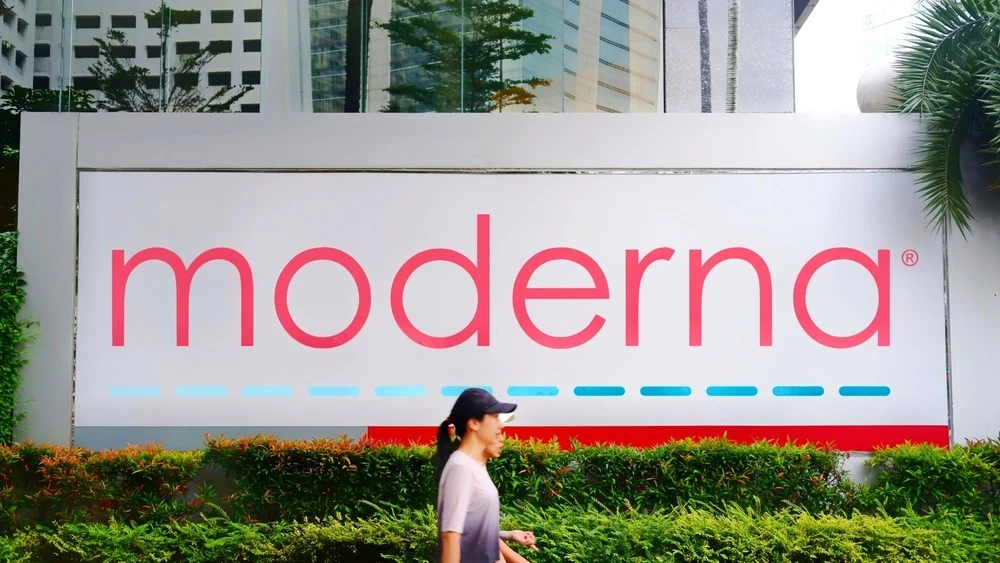
It will not be possible to automatically extend the use of a personalized vaccine against melanoma recurrence to other types of cancer / Photo: Poetra.RH / Shutterstock.com
Shares of the American biotech company Moderna more than doubled in price this week following reports of successful trials of a vaccine to prevent melanoma recurrence. However, the excitement may be premature: the full study data have not yet been published, and it remains unclear whether the therapy is effective against other types of cancer. Why might investors have overreacted to this news?
What Is Known About the "Melanoma Vaccine"
The trials examined the effects of Moderna’s personalized mRNA vaccine in combination with the blockbuster immunotherapy Keytruda—the best-selling anticancer drug developed by Merck. The study included more than 1,000 patients who had undergone surgical removal of tumors and were at high risk of recurrence. The companies stated that their treatment helped prevent the disease from returning and spreading.
Unlike chemotherapy, which destroys healthy cells along with cancer cells, and immunotherapy, which stimulates the immune system, personalized vaccines are designed to train the immune system to specifically target mutations found in a particular patient’s tumor, according to Reuters. Here’s how it works: After a tumor is surgically removed, a sample is sent to a laboratory for sequencing. This identifies unique mutated proteins in the patient’s cancer cells. Next, artificial intelligence selects up to 34 of these proteins, and researchers assemble an mRNA strand from them to create the vaccine. It is administered to the patient in combination with Keytruda to boost the immune response and help the body attack any cancer cells remaining after surgery.
The trials are still ongoing—the companies are monitoring patients to determine whether this treatment extends overall survival. The full trial results have not yet been published.
What Investors Need to Consider
The announcements by Moderna and Merck regarding the success of their trials should be viewed as an initial positive sign, but it is too early to say that the new therapy will solve the problem of cancer, Ilya Yasny, co-founder of LanceBio Ventures, told Oninvest. The fund which specializes in biotechnology and investments in the pharmaceutical industry.
First, this is not about prevention: the technology under study is a therapeutic vaccine, meaning it can help prevent recurrence, but not the development of melanoma.
Second, the personalized vaccine is currently intended for use in a very limited group of patients—those with stage III or IV melanoma who are candidates for surgical removal, the expert notes. He recommends waiting for the publication of the full study results.

Will the vaccine be effective against other types of cancer?
In addition to melanoma, Merck and Moderna are investigating the use of personalized vaccines at various stages for non-small-cell lung cancer, bladder and kidney cancer, and pancreatic and stomach cancer. Moderna President Stephen Hodge told Reuters that results for many of these areas are expected within the next one to two years.
It won’t be possible to automatically extend the use of a personalized vaccine against melanoma recurrence to other types of cancer—large-scale studies will be required in each case, says Yasny. According to him, if further studies demonstrate the therapy’s effectiveness, a market worth tens of billions of dollars will open up for Moderna. But for now, he emphasizes, one shouldn’t count on a significant financial impact: fewer than 20,000 people in the U.S. have the form of melanoma that meets the vaccine’s eligibility criteria. Therefore, investors’ initial reaction to the trial results is not commensurate with the product’s immediate market prospects, Yasny notes.
What Wall Street Analysts Are Saying
Some analysts believe the hype surrounding the news from Moderna and Merck is excessive, according to MarketWatch. There is insufficient evidence to extrapolate the study results to other types of cancer, noted Leerink Partners analyst Daina Graebosch, as quoted by the publication. According to her, melanoma is characterized by high immune responsiveness and the highest level of mutational burden, making it “uniquely suited for vaccine application.”
The effectiveness of the treatment varies depending on the type of tumor, so the reported trial results cannot automatically be applied to all types of cancer, analysts at William Blaire also note in a note dated August 20, which Oninvest reviewed.
They predict that, if a personalized vaccine against melanoma recurrence is approved, its sales could reach $5.4 billion by 2040 (Moderna’s share, excluding Merck’s revenue). Moderna’s potential revenue from sales of a vaccine against non-small-cell lung cancer could total about $10 billion by the same year, according to estimates by analysts at William Blaire. By comparison, Moderna’s revenue in 2025 was $1.9 billion.
Analysts expect the next set of clinical trial data for the vaccine to be presented in October at the ESMO Congress—an oncology conference in Madrid. In some cases, preliminary presentations can make study results seem more promising than they actually are, notes MarketWatch. “An overly optimistic reaction creates expectations that we believe will be difficult to meet,” warned Greibosh of Leerink Partners.
This article was AI-translated and verified by a human editor