Kazakhstan switching from being one of the world's biggest gold buyers to a seller
As Treasury yields rise, the National Bank of Kazakhstan is starting to reduce the share of gold in its reserves, which has reached 78%

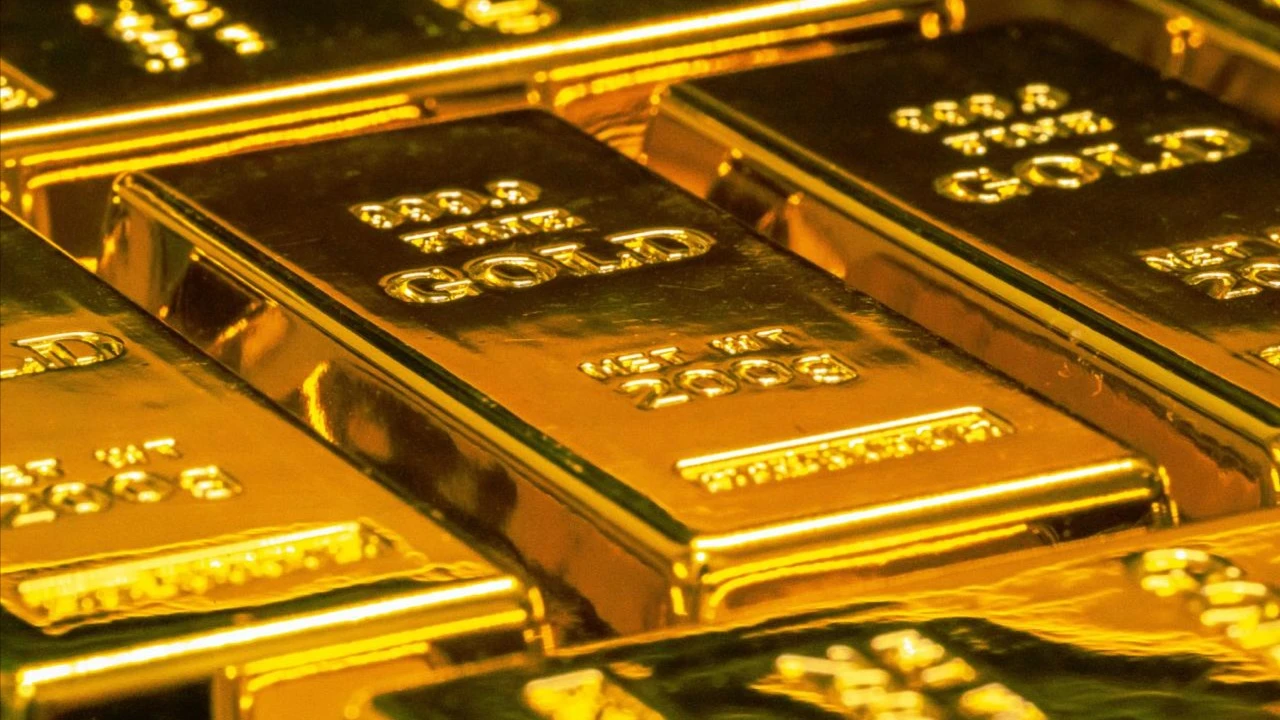
The bank aims for a 75% share for gold by the end of this year / Photo: Jingming Pan on Unsplash
The National Bank of Kazakhstan, one of the world’s biggest buyers of gold, is now selling to reduce the share of the yellow metal in its reserves, Bloomberg reports. Treasury yields climbing to multiyear highs, along with the dollar’s increasing strength, have increased the need to rebalance.
Details
“We haven’t seen levels like this in a long time,” Aliya Moldabekova, deputy governor of Kazakhstan’s central bank, said of Treasury yields in an interview with Bloomberg. “This makes the dollar an attractive option, thereby reducing the appeal of gold as an investment asset.” The 10-year Treasury yield rose to a 24-year high last week.
The central bank’s gold holdings have grown to 386 tons since it halted sales in February last year. The yellow metal now accounts for around 78% of its foreign exchange reserves, a level Moldabekova describes as uncomfortably high.
“With such a share of gold, our holdings are starting to resemble a single-asset portfolio,” she noted. Moldabekova added that foreign exchange reserves, which stood at $66.4 billion at the end of September, must remain liquid.
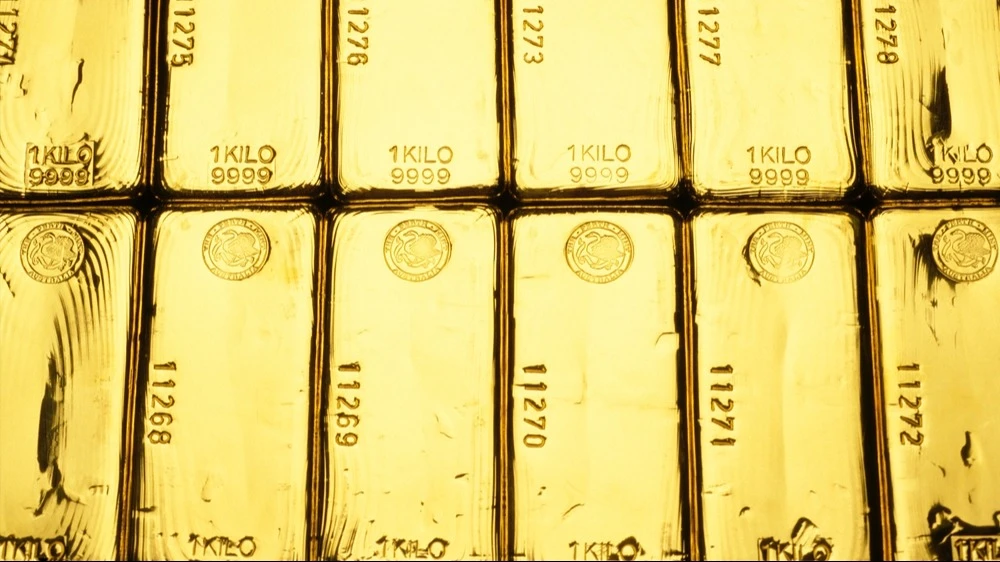
The central bank now aims to reduce the share of gold to 75% by the end of this year, according to Moldabekova. Half of the reduction will come from selling options and half from selling physical gold, she said. If gold falls below $4,000 per ounce, the share of gold in reserves could decline to the target level automatically, she added.
The National Bank of Kazakhstan has the right to buy all gold mined in the country, which is the world’s eighth-largest producer of the precious metal. The central bank ranked as the world’s fourth-biggest gold buyer in the first eight months of 2026, according to World Gold Council data.
Context
Gold has fallen around 20% since late February, when the U.S.-Iran war started and disruptions to energy supplies from the Middle East fueled inflation and pushed bond yields higher. The metal peaked at $5,600 per ounce in January. As of 15:12 London time on Monday, gold was trading at $4,172.35 per ounce. Its price has remained in a $4,000-4,300 range since June.
“Given that significant uncertainty persists, we nevertheless expect a slight rise in the price of gold,” Moldabekova said. That is why the Kazakhstani central bank prefers not to plan too far ahead and will reassess the situation after reducing gold’s share to 75%, she explained.
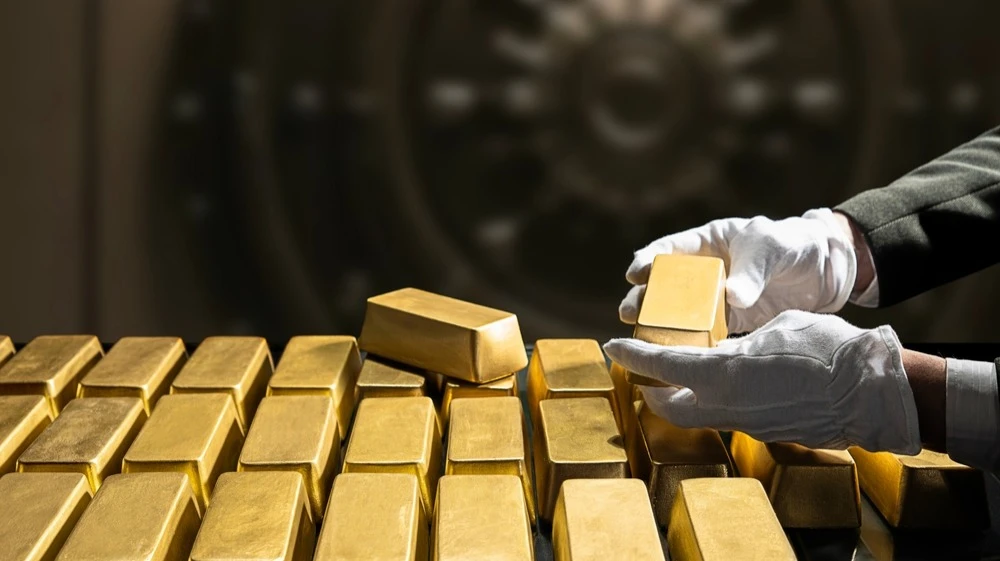
Heavy central bank buying supported gold prices for years. Central banks began rebuilding their reserves after the global financial crisis, with purchases surging after Western countries froze part of Russia’s foreign exchange reserves in 2022. Their buying had already slowed markedly in early 2026: a revised WGC estimate indicated that central banks bought just 56.5 tons of gold in the first quarter, the lowest first-quarter total in more than 15 years.