'They have an insatiable appetite': oil jumped on Trump's words on China supplies
China has completely stopped buying U.S. oil after Washington imposed barrier duties in 2025

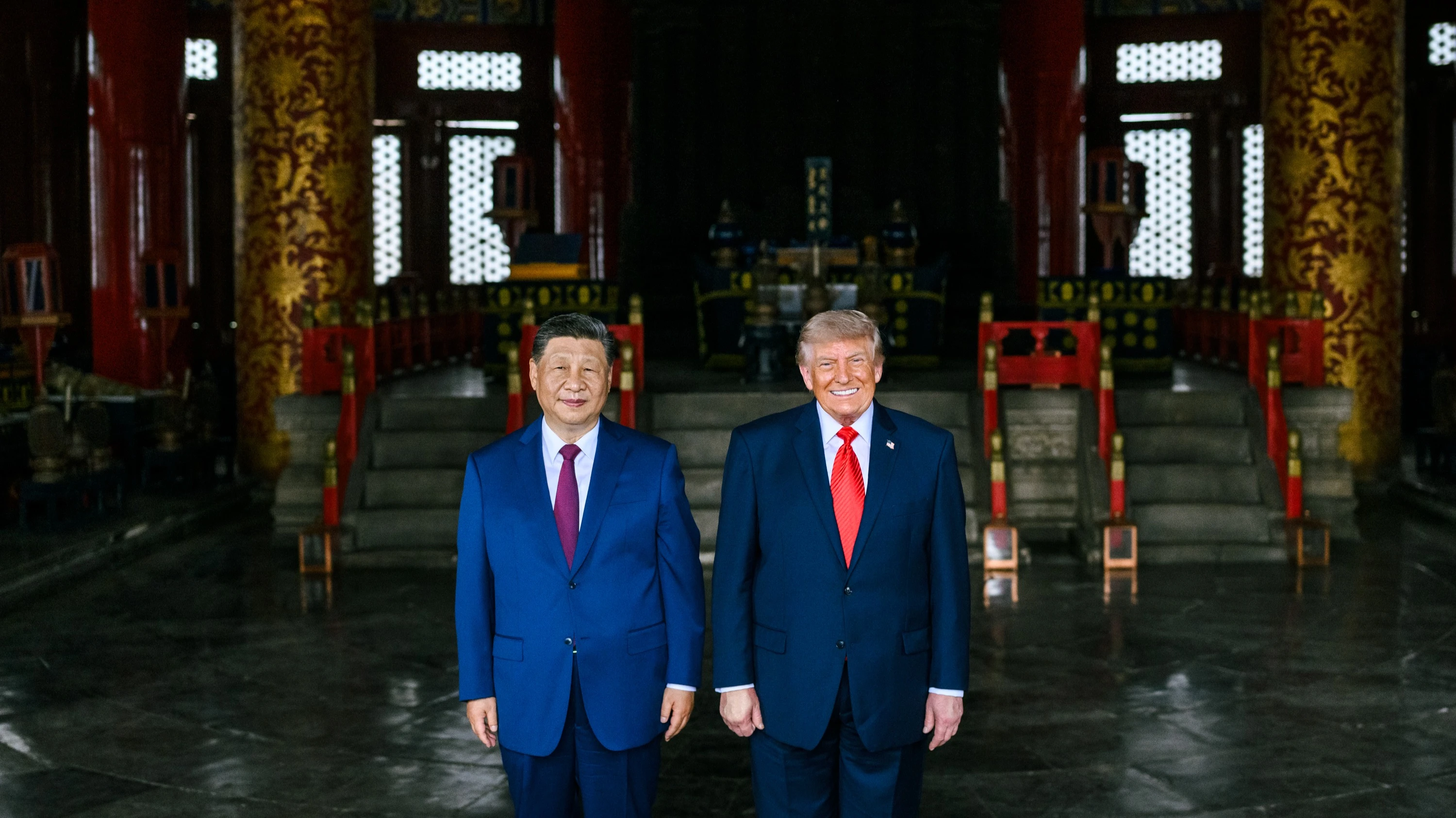
U.S. President Donald Trump will conclude a two-day visit to China on Ma. 15 / Photo: x.com/WhiteHouse
Oil quotations went up after US President Donald Trump announced that China had agreed to resume purchases of US oil. Despite the lack of official confirmation of the deal from Beijing, investors expect a warming of trade relations between the two countries.
Details
Futures for the global benchmark Brent crude oil rose by 1.4% to just over $107 per barrel on Ma 15. Contracts for the U.S. grade WTI rose by 1.5% - above $102.
In an interview with Fox News television recorded after his meeting with Chinese President Xi Jinping, Trump said, "They [China] agreed, they want to buy oil from the United States, they're going to go to Texas, we're going to start sending Chinese ships to Texas, and to Louisiana, and to Alaska."
The US president has signaled that China may also start buying liquefied natural gas from the US as well. "Here's the thing, they really need energy. They just have an insatiable appetite for energy, and we have unlimited energy," The Huffington Post quoted Trump as saying.
Why it's important
Since Ma 2025, China has completely stopped buying U.S. oil due to 20 percent duties imposed during the trade war. The lifting of these trade barriers will be a prerequisite for any large-scale resumption of supplies, Reuters points out.
The US has historically never been a key supplier of raw materials for the world's largest importer, the agency notes. Even at its peak in 2020, U.S. exports to China reached only 395 thousand barrels per day - that's just under 4% of China's total imports. In 2024, even before Trump's return to the White House, these supplies fell to 193 thousand barrels (in monetary terms - $6 billion).
What else affects prices
Oil quotations are supported by the ongoing tensions over the Strait of Hormuz, the now-blocked exit from the Persian Gulf to the world's oceans, through which a fifth of the sea transit of oil took place before the war with Iran. Although Iran's Islamic Revolutionary Guard Corps has reported 30 ships passing through since the evening of Ma. 13, that volume of traffic is still well below the pre-war norm of 140 ships daily, Reuters writes.
Limited supply is still the main reason for high energy prices, Haitong Futures analyst Yan An stated: "Yesterday, oil prices fluctuated several times, but still closed near the daily high". "The passage of [several] ships through the strait slightly eased market fears, but it was not enough to reverse the strong trend due to supply shortages," the expert noted.
This article was AI-translated and verified by a human editor