Oil prices rose 3% following U.S. strikes on Iran. The market is worried that the ceasefire is falling apart
A resumption of hostilities in the Middle East threatens to trigger a massive liquidation of short positions in the oil market

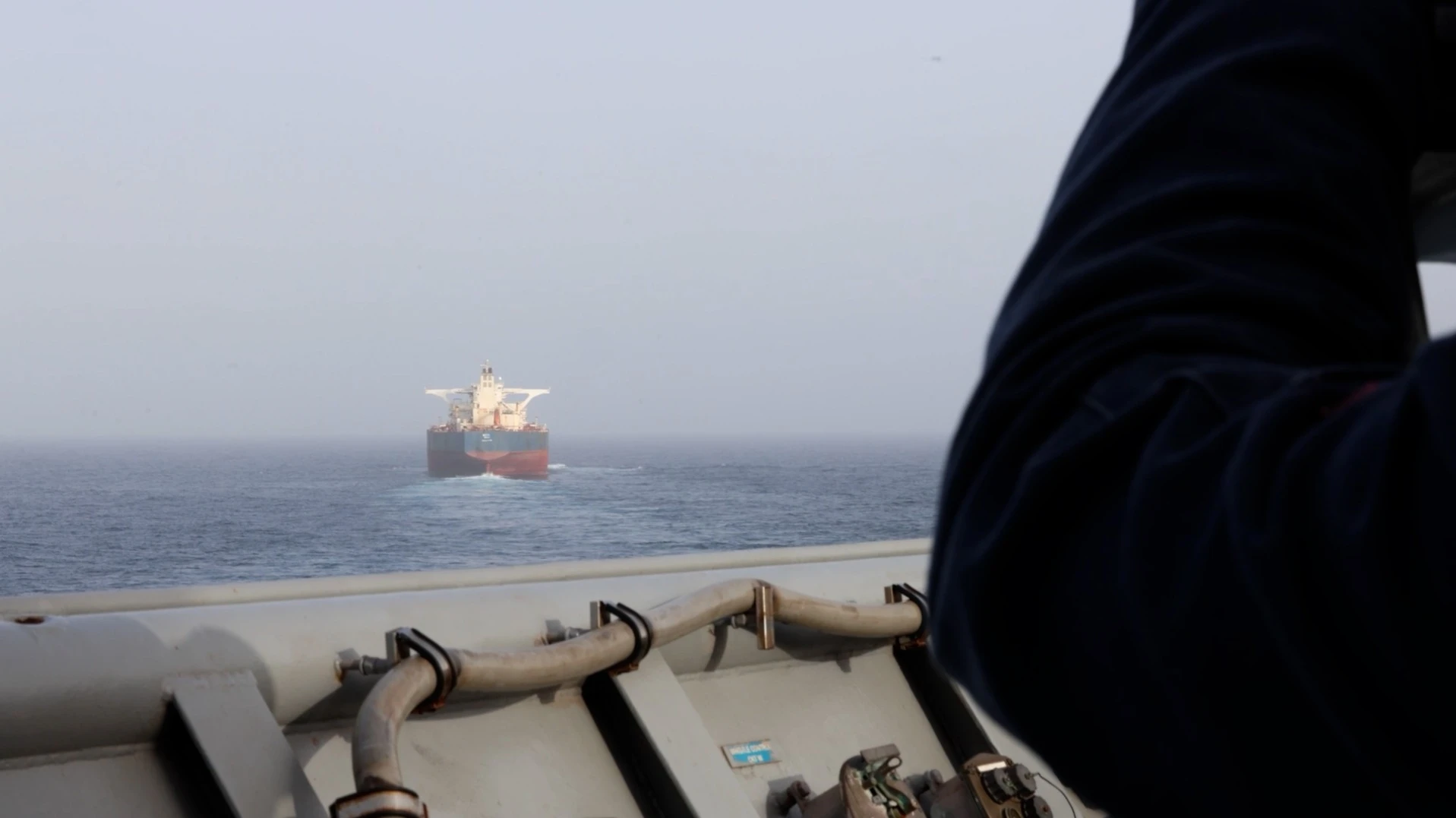
The U.S. and Iran exchanged massive strikes following new attacks on tankers in the Strait of Hormuz / Photo: X/CENTCOM
Oil prices rose sharply on the morning of July 8 after the U.S. launched airstrikes against Iran. Investors interpreted this as a sign that the fragile truce between the countries was falling apart and that energy supplies from the Middle East were once again under threat.
Details
Futures for the benchmark Brent crude jumped more than 3% to $76.7 per barrel during morning trading on July 8. Prices for the North American benchmark WTI rose by as much as 3.5% ($72.9) at their peak. The U.S. revoked the license to trade Iranian oil, accusing Iran of attacking three merchant ships in the Strait of Hormuz. Tehran denied responsibility.
U.S. Central Command (CENTCOM) announced Wednesday morning that it had struck more than 80 targets in Iran—air defense systems, command centers, coastal radars, anti-ship systems, and more than 60 boats near the Strait of Hormuz, Reuters reports. Iran’s Islamic Revolutionary Guard Corps, in turn, reported strikes on 85 U.S. military facilities in Bahrain and Kuwait and claimed to have shot down an American MQ-9 drone.
What does this mean for the market?
After the U.S. and Iran agreed to a ceasefire in June, oil prices fell back to pre-war levels, and traders built up short positions in oil futures—betting on further price declines. This was fueled by expectations that pent-up supply from the Middle East would flood the market, Reuters notes.
“The current escalation is reminding the market just how vulnerable the passage through the [Strait of Hormuz] is,” says Sol Kavonik, head of the analytics department at MST Marquee. According to him, these developments run counter to market sentiment, which anticipates an oil glut, and may force some traders to close out their record-high short positions. If tensions persist and transit volumes remain below half of pre-war levels, the shortage will support prices, the expert noted.
This article was AI-translated and verified by a human editor