OpenAI and Anthropic's plans to slow down AI development have caused tension among their employees
Within companies, little is in place to artificially slow down the AI race
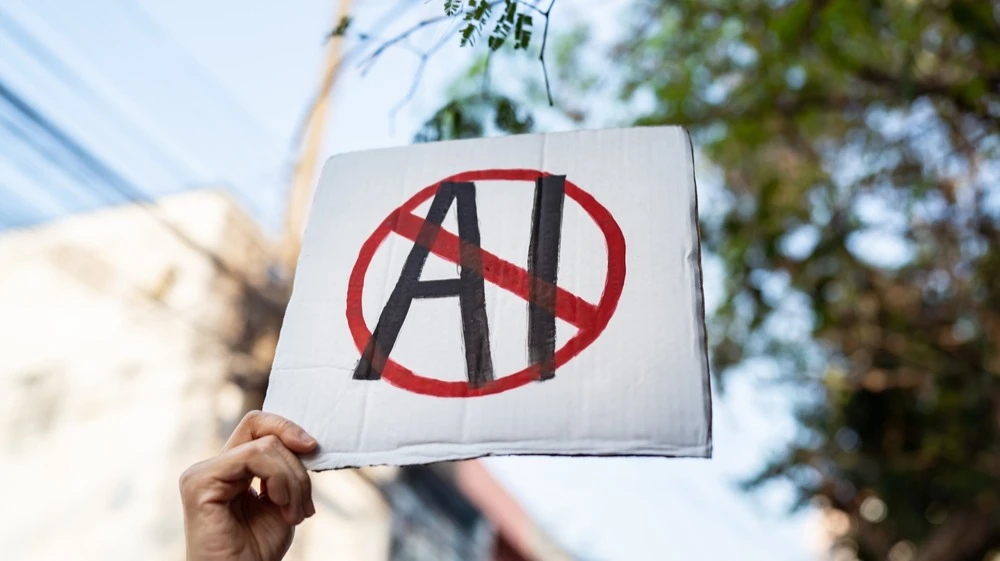
Proposals by executives at Anthropic and OpenAI to slow down the development of cutting-edge AI models have caused tension within the companies / Photo: Wachiwit/Shutterstock
Proposals by the heads of artificial intelligence leaders Anthropic and OpenAI to slow down the development of cutting-edge models have caused tension among their employees, the Financial Times reports, citing sources. The initiative by Anthropic CEO Dario Amodei—who has received public support from OpenAI’s Sam Altman—came as a surprise to staff at both companies: internally, they are ill-prepared to implement the idea, the newspaper claims.
Details
Employees at Anthropic and OpenAI are trying to implement their executives’ recommendations to slow the pace of AI progress in order to prevent security threats, the FT reports. But the statements by Amodei and Altman came as a surprise to employees at both companies, as well as to security researchers on whom they will need to rely in their work, the newspaper learned. Although many agree with the need to slow down AI development, they are also concerned that this will hinder their work, the publication reports.
One of the key issues revolves around the idea of allowing external experts into laboratories to oversee the development of AI models: some fear this would compromise the security of their technologies, sources told the FT. Amodei proposed granting external testers “employee-level access,” including ID badges, computers, office access, and access to internal tools. Maintaining a balance between such oversight and security and data protection will be a major practical challenge, according to FT sources at both companies.
“Currently, most third-party organizations have a much, much lower level of access than even in-house employees with the lowest security clearance. Therefore, some kind of mandatory requirement will likely be needed to establish this practice across the entire industry,” said former OpenAI researcher Miles Brandage in an FT report.
Context
Nvidia CEO Jensen Huang (the primary beneficiary of demand for AI infrastructure) and Meta CEO Mark Zuckerberg (whose company is actively catching up to the leaders in the AI market) disagreed with Amodei’s proposal. According to Huang, AI is not a new form of “alien intelligence,” but rather hardware and software created by humans that can be controlled by people and existing laws.
On September 15, OpenAI announced that it had already “paused the training of some of its cutting-edge models to set a pace for development.” Anthropic has not reported any pause in its research.
In September, Anthropic researcher Jacob Coxon, after being fired from the company, stated that the company and OpenAI were “gambling with our lives” by developing powerful AI models. The technology has the potential to cause catastrophic harm to humanity within the next decade, according to Evan Hubinger, a leading safety researcher at Anthropic.
This article was AI-translated and verified by a human editor