OpenAI has launched ChatGPT for teens. How is it different from the regular version?
The company is implementing strict restrictions on content generation and educational modes amid growing regulatory pressure and lawsuits

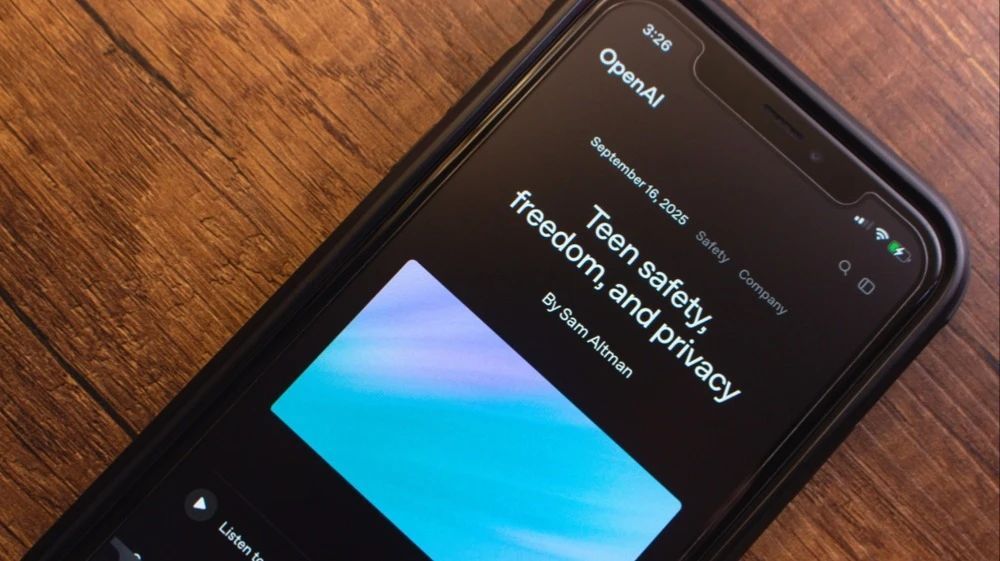
Starting August 18, the AI lab OpenAI began rolling out a separate version of ChatGPT worldwide for users aged 13 to 17. It features stricter controls over image generation and content related to self-harm, violence, eating disorders, and sexual themes. The release is the company’s response to growing concerns about the impact of AI on the mental health of young users, according to the Financial Times.
Details
The new version of ChatGPT will direct teens to educational apps, remind them more often to take breaks, and offer “quiet hours”—time periods that users or their parents can set to block the chatbot. OpenAI has also updated “learning mode” so that it guides teens through a task step by step instead of immediately providing a ready-made answer. In this way, the company is trying to combat the “cognitive unloading” effect, in which instant AI responses weaken independent thinking skills, the FT notes.
According to OpenAI, 90% of teenagers use ChatGPT for schoolwork, and the company wants to build on that experience to turn the chatbot into a learning tool, said Lauren Jonas, head of the Teen and Family Division.
OpenAI’s rules prohibit children under 13 from accessing the chatbot and require parental consent for users under 18. The company determines a user’s age based on the information provided and a “combination of signals” regarding the use of the service. ChatGPT also features a parental control function. It sends notifications in high-risk situations, such as when a child discusses suicide or self-harm. In the new version for teens, OpenAI has added notifications about eating disorders and violence to the parental controls.
Context
OpenAI is facing lawsuits from families who claim their children were harmed while using ChatGPT. One of the lawsuits was filed by the family of 16-year-old Adam Rayne from California, who took his own life after discussing suicide with the chatbot: according to court documents, ChatGPT provided the teenager with detailed instructions. Another lawsuit was filed by the families of those killed in the mass school shooting in Tambler Ridge, Canada, in February. It turned out that the teenage shooter had been discussing his violent intentions with ChatGPT for several months prior to the attack. OpenAI blocked his account but did not contact law enforcement before the tragedy occurred.
The proceedings are taking place as some countries ban or move toward banning social media for users under the age of 16. These measures typically do not affect chatbots, but they are increasing pressure on tech companies, the FT notes. Back in August 2025, after the Reyna family filed their lawsuit, OpenAI had already announced an update to the GPT-5 model to “de-escalate” lengthy conversations on sensitive topics and was considering the possibility of connecting users with licensed therapists.
All of this is happening as OpenAI prepares for an initial public offering that could set a record next year. In the latest funding round, investors valued the company at $852 billion.
This article was AI-translated and verified by a human editor