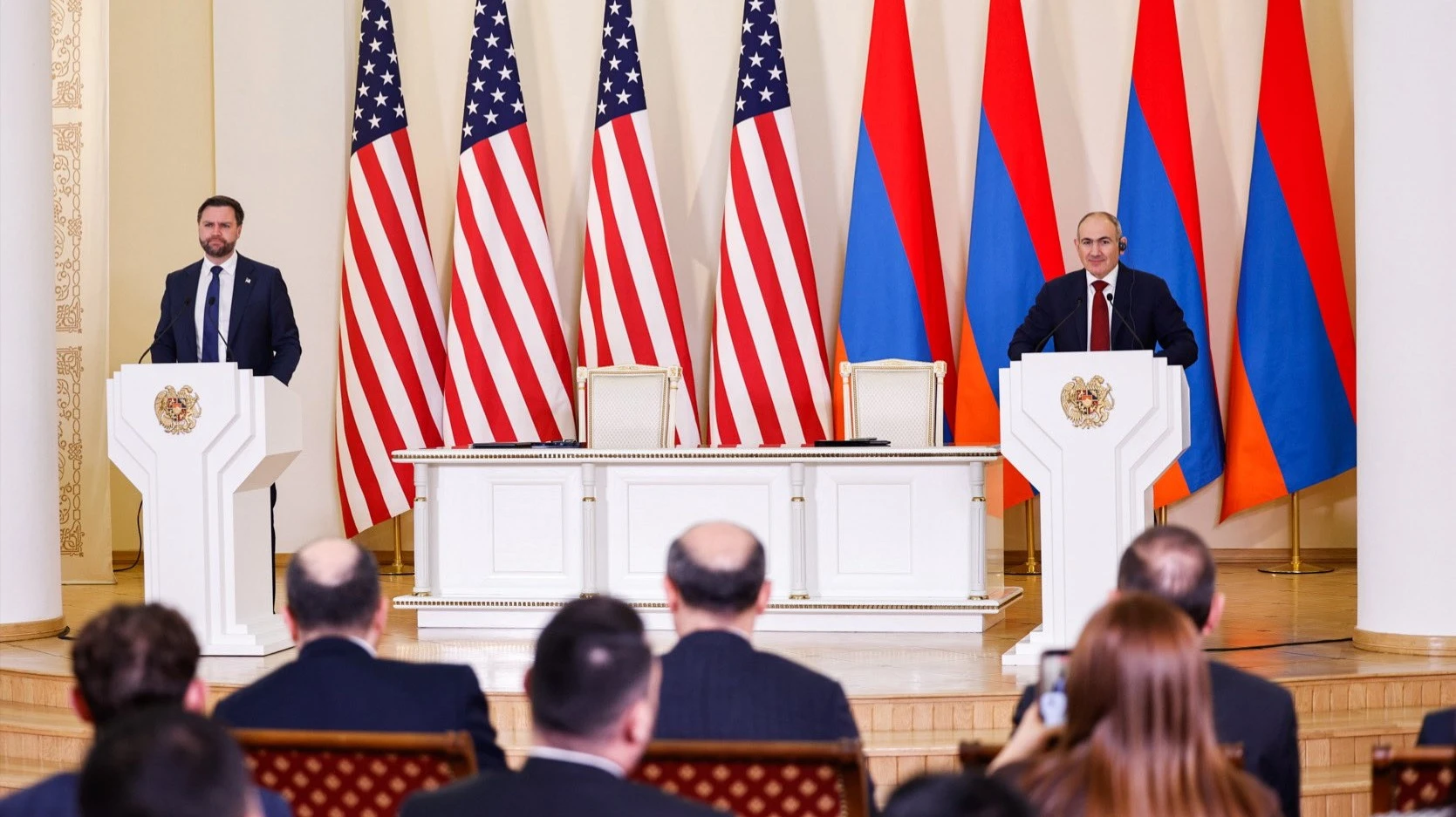
Paramount has settled its dispute with prosecutors over the Warner Bros. deal. What's next?

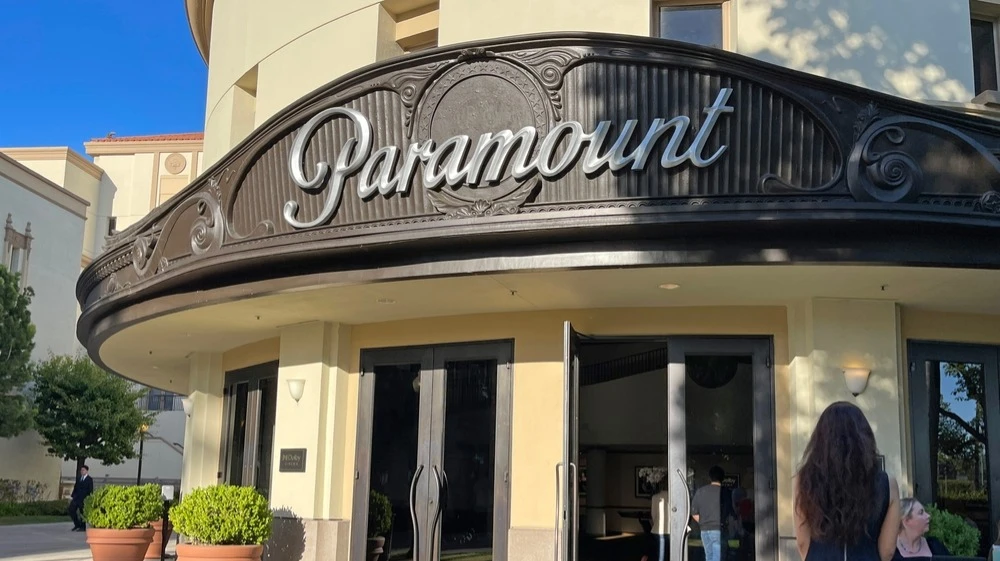
An agreement with a coalition of attorneys general from 12 states clears the way for Paramount to complete its acquisition of Warner Bros. Discovery. Photo: Alex Millauer/Shutterstock
Paramount Skydance has reached an agreement with a group of attorneys general from several U.S. states regarding an investigation into antitrust concerns stemming from Warner Bros. Discovery for $110 billion. Reuters calls the development a “major victory” for Paramount. It paves the way for one of the largest mergers in the history of the media industry, the agency notes.
Paramount shares are up 2% in premarket trading on September 22, while Warner Bros. shares are up a modest 0.16% after surging more than 10% the previous day.
A coalition of 12 state attorneys general—led by California Attorney General Rob Bonta—filed a lawsuit against the Paramount and Warner Bros. deal in July. The plaintiffs argued that the merger could harm competition in the entertainment market and also harm movie theaters, cable TV providers, and consumers.
Details
The settlement reached between Paramount and the state attorneys general requires Paramount to increase its film production in the United States. Specifically, the company will be required to invest an additional $300 million per year in domestic production over the course of five years, totaling $1.5 billion in new investments, according to CBS News.
In addition, the corporation has committed to producing 30 films per year for the first two years following the transaction and 32 films annually for the following three years. At least 20 of these films in the first two years and at least 21 in the following three years must be released in wide distribution—that is, shown on at least 2,000 screens. If Paramount fails to meet these requirements, it will be required to sell the Miramax film studio, according to the agreement. As a financial guarantee of compliance with the quota, a penalty of $30 million is imposed for each film not released. Fifty percent of the penalty amount goes to the film unions’ social funds to finance pension and health care programs for industry workers. The remainder will be divided between the Film and Television Fund and the National Association of Attorneys General Fund.
The agreement also prohibits Paramount from selling or closing the Paramount or Warner Bros. studio lots in the Los Angeles area for at least five years.
To prevent corporate influence on the editorial policies of Paramount-owned channels CBS News and CNN, Paramount will establish an independent board to ensure objective news coverage, Bont said.
In addition, the merged company must agree to conduct separate negotiations regarding the distribution of the major cable channels owned by Paramount and Warner Bros. for a period of five years.
Under the settlement, a committee of five states will monitor and ensure that Paramount complies with the terms of the antitrust agreement.
The U.S. Department of Justice, the Federal Communications Commission, and regulators in dozens of countries have already approved the deal between Paramount and Warner Bros., CBS News reports.
Reactions from the Parties
“Now that all parties’ views have been taken into account, we have received full approval for the merger [with Warner Bros.] and can move forward to close the deal,” Paramount CEO David Ellison said on Monday following the announcement of the settlement. “There is still work to be done to bring this deal to a successful conclusion, but we are excited to bring these two iconic companies together, as this means more opportunities for our creative professionals, production teams, and employees across the business, as well as more great entertainment content for audiences around the world.”
Bont, in turn, called the agreement with Paramount a “convincing antitrust outcome”: “More production, more choice, and safeguards that preserve competition in this industry. “I don’t believe these two companies should merge, but that’s not what we’re focusing on as part of this settlement,” he said at a press conference in Los Angeles (as quoted by Reuters).
At the same time, the agency notes, the Writers Guild of America (WGA) has settled a parallel lawsuit against Paramount. The organization, however, stated that it still believes the deal will harm the industry. The settlement reached by the state attorneys general forced the union to “face the reality of continuing the fight alone, without support from state regulators” in a complex case that would have cost millions of dollars, the WGA explained its decision to drop its claims against Paramount.
Context
Paramount finalized a deal to acquire Warner Bros. in February of this year. However, due to demands from state attorneys general, the merger was put on hold. Under the terms of the agreement reached between Paramount and Warner Bros. this past winter, from September 30 until the deal’s completion, the studio was required to pay Warner Bros. shareholders a fee of $0.25 per share—or approximately $7 million per day—for each calendar day the merger process was “on hold.”
This article was AI-translated and verified by a human editor