Iran has notified the U.S. that it is ready to reopen the Strait of Hormuz, according to media reports. Oil prices have fallen
To do this, the U.S. military will have to lift the blockade of Iranian ports and ships and cease hostilities in the Strait

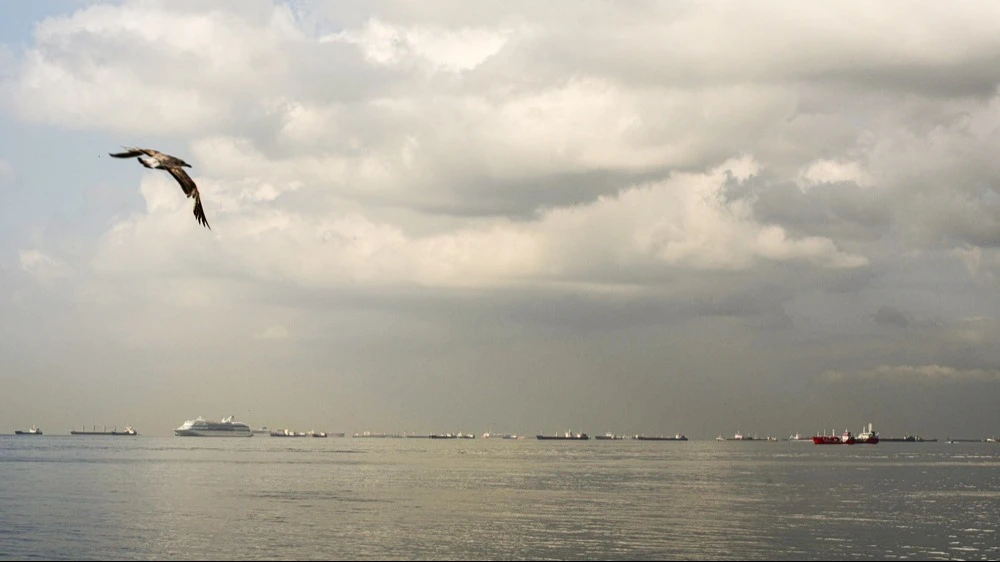
Photo: Svet foto / Shutterstock
Iran has notified the administration of U.S. President Donald Trump of its readiness to open the Strait of Hormuz within seven days—for this to happen, the U.S. military must lift its blockade of Iranian ports and ships and cease hostilities in the strait, according to the Japanese news site 47news.jp, citing a high-ranking Iranian government official. “There is a possibility of progress toward an agreement,” another Japanese media outlet, Kyodo News, quotes a high-ranking Iranian source as saying. For diplomacy to succeed, Washington must demonstrate “seriousness and commitment to the cause,” the agency’s source added.
The reports emerged ahead of the meeting between Trump and Chinese President Xi Jinping in the U.S.—China is one of the largest buyers of Iranian oil. Barron’s and MarketWatch attributed the movements in oil prices specifically to the 47news and Kyodo reports: at the start of Asian trading on September 22, prices were rising, poised to halt a five-day decline, but following signals from Iran, November Brent crude futures fell by more than 2% to an intraday low of $97.5 per barrel. The October contract for U.S. WTI fell nearly 3% to $92.4.
Context
Although Iran and the U.S. exchanged new threats on Sunday amid the deadlock in the Middle East, U.S. President Donald Trump said he is open to meeting with Iranian President Masoud Pezeshkian, who is expected to arrive in New York this week to attend the UN General Assembly, according to Reuters.
The situation in the Middle East remains tense after the Tehran-backed Yemeni Houthis claimed responsibility for attacks on Riyadh and Saudi Arabia’s key “East – West” pipeline, which served as a bypass route for oil shipments from the country when traffic through the Strait of Hormuz had virtually ceased. Due to damage to the pipeline in early September, Saudi Arabia was forced to suspend its operation. However, the kingdom later increased exports through the Strait of Hormuz and Omani territorial waters. According to data from vessel-tracking systems, on Sunday, September 20, approximately 14 million barrels of oil were loaded onto seven supertankers in the Persian Gulf, Reuters reports.
What Analysts Are Saying
Oil prices are likely to continue trading within a narrow range and remain sensitive to news until there are signs of real progress or setbacks in the diplomatic dialogue between the U.S. and Iran, Reuters quotes Tim Waterer, chief market analyst at KCM Trade.
“Concerns about supply are easing as shipments through the Strait of Hormuz have reached a six-month high, and Saudi Arabia is working to restore its East-West oil pipeline,” Saxo Bank analysts noted in a client report.
This article was AI-translated and verified by a human editor