Ray Dalio's most important principle: How to protect capital in times of crisis
A balanced portfolio will help generate good returns and avoid unacceptable performance in unfavorable times, writes an investor
Almost no investor, including professionals, knows how to successfully choose the moment to enter and exit the market, Dalio believes / Photo: suciwijaya / Shutterstock.com
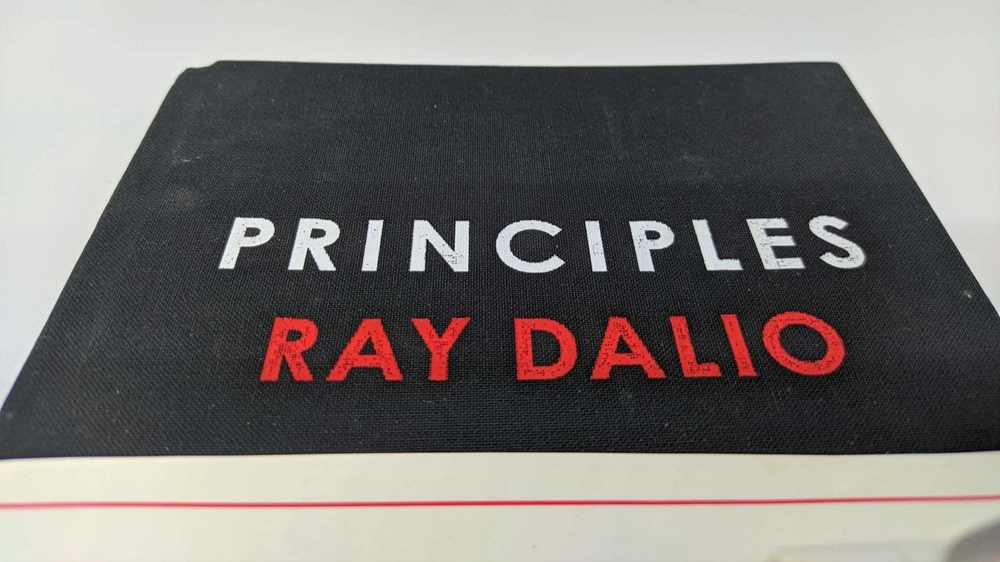
In risky times like now, it's especially important for investors to have an "all-weather portfolio," according to Ray Dalio, founder of Bridgewater Associates. On social network X, he laid out the principles of his capital protection strategy, which he's been honing for 30 years. Here's what Dalio writes:
About investments without market forecasts
The most important thing most investors should have is a portfolio that is well diversified and constructed to provide the highest possible return with the lowest possible level of risk, and that does not require guessing market movements.
Many people believe that the safest investment is to put cachet, for example, in short-term government bonds or high-quality money market funds that are not at risk of default. But over the long haul, such investments turn out to be the least profitable when taxes are taken into account. And they will be especially unsuccessful during periods of high inflation, when purchasing power is lost.
Almost no investor - including most seasoned professionals - can really successfully pick when to enter and exit the market, even if they think they can. That's why I think most people who manage their portfolios on their own should invest with little or no attempt to second-guess the market.
About the all-weather briefcase
An all-weather portfolio is a passively held set of investments that is expected to produce returns in all conditions that are much higher than low-risk assets like caches, but with much less risk than riskier assets like stocks and bonds. This makes it different from most portfolios - for example, the classic 60/40 structure of stocks and bonds or investments that perform well in favorable periods and poorly in unfavorable periods.
About 30 years ago, I was trying to create a strategy that my family could use when I was gone. The only way to put together an all-weather portfolio was to include a variety of higher-yielding but also higher-risk assets that together would produce the same high returns but with less risk than each of them individually - precisely because these asset classes balance each other out. That's how I arrived at the concept of risk parity. The idea is to take assets with different levels of risk, i.e. different volatility, and bring them to a comparable contribution to the overall risk of the portfolio: increase risk and volatility in low-risk assets and reduce it in high-risk assets, so that they better balance each other out.
By understanding how each asset class reacts to changes in the economic environment - inflation and economic growth, for example - I was able to put together a passive strategic portfolio structure balanced for all scenarios. For example, bonds tend to feel bad when inflation and economic growth rise at the same time, while inflation-protecting assets - gold or commodities - benefit in such an environment. If risk is equally distributed between rising and falling inflation and economic growth scenarios, the portfolio is well balanced for any situation.
Why an all-weather approach is needed
Thirty years later, I remain convinced that strategic asset allocation is essential. My all-weather portfolio is my ideal strategic set of "bets," i.e., asset classes that I hold at all times. That said, I also make a lot of tactical bets on what I think will grow or, conversely, perform poorly in order to get "alpha". But to do this, I use a well-diversified portfolio of such bets - what I call my Pure Alpha approach.
Whether investors put together an all-weather portfolio themselves or trust someone else to do it, I want them to understand how this approach works. And that they can put it into practice. Then they can be confident that they can generate good returns without facing unacceptably poor performance, even in what most would consider unfavorable market and economic conditions.
"At this stage of my life, my main goal is to pass on to others the principles I have learned over the past 60 years that have helped me and, I believe, can help others. I believe that the most important investment principles I can share are related to an 'all-weather portfolio' and how to build one"
This article was AI-translated and verified by a human editor