Revenue at a key LVMH division has fallen due to China. What's wrong with Louis Vuitton?
The holding company's organic sales growth fell short of analysts' expectations

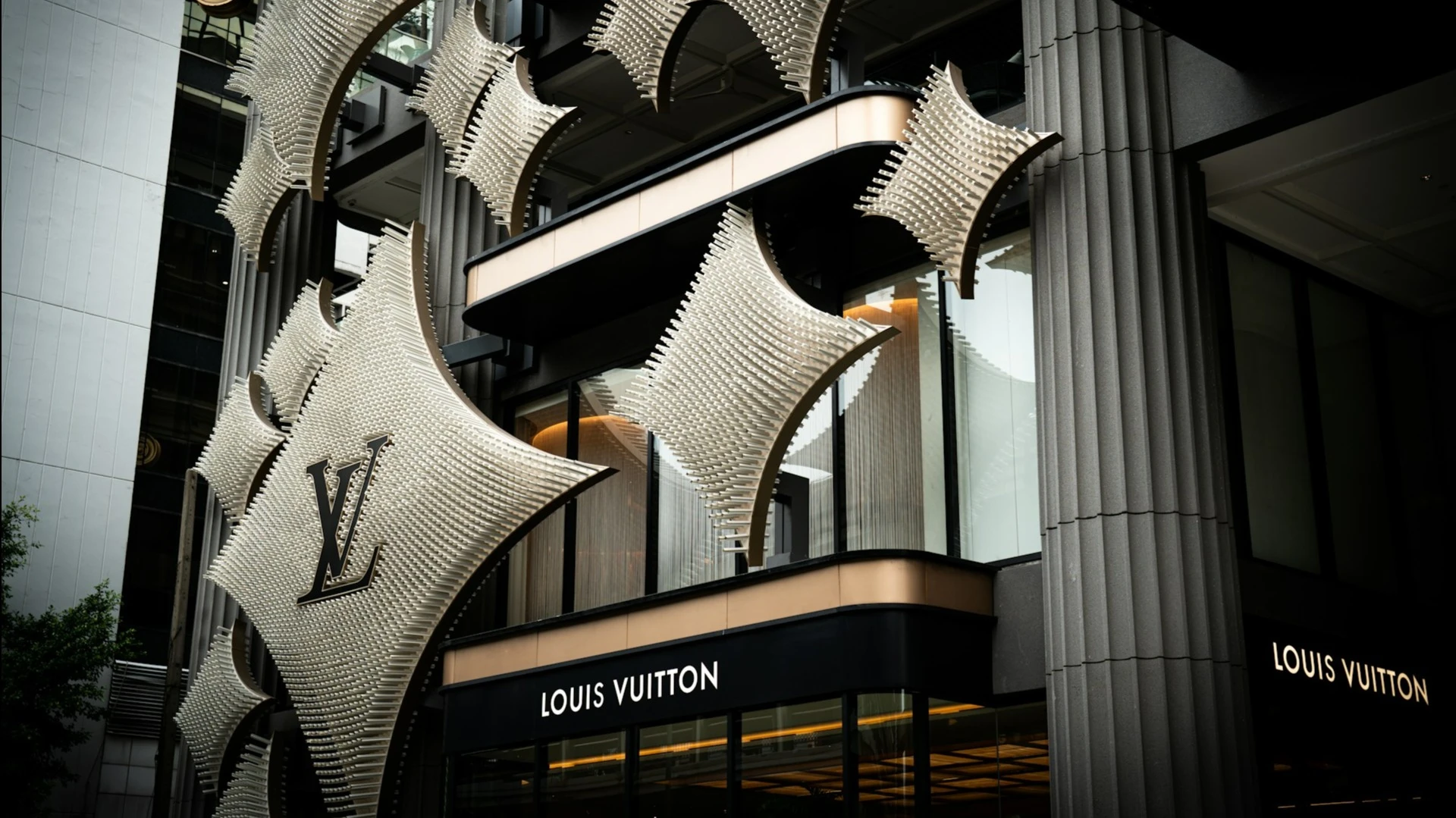
LVMH owns Louis Vuitton, Christian Dior, and a number of other luxury brands / Photo: Unsplash/Sam
Organic revenue for the Fashion & Leather Goods division of LVMH, which includes the Louis Vuitton brand, fell by 5% in the third quarter. The decline was steeper than analysts’ forecasts, which had predicted a 1.57% drop, according to Bloomberg. Louis Vuitton, in particular, was hit by consumer discontent in China, but the group’s results cast a shadow over the industry’s prospects for recovery.
Details
The Fashion & Leather Goods division posted strong results in the booming U.S. market but was impacted in the third quarter by a slowdown in demand in China, LVMH said. Sales of Louis Vuitton—the company’s main source of revenue—in the country suffered after the brand won a trademark dispute against local tea producer Molly Tea. Chinese consumers viewed the court’s decision as unfair, taking issue with the fact that the world’s largest luxury conglomerate had sued a small company, Bloomberg noted. The region, which includes China, was the only one to post negative results among all of LVMH’s markets—sales there fell by 5%. In the U.S., by contrast, sales rose by 5%; in Europe, by 4%; and in Japan, by 6%.
“In the third quarter, the results—particularly in Asia—were affected by a sharp decline in Chinese consumer sentiment caused by macroeconomic factors, which put significant pressure on discretionary spending,” LVMH Chief Financial Officer Cécile Cabani told analysts in a statement reported by Reuters.
The group's total revenue for the quarter rose 1% to €18.5 billion, which also fell short of analysts' estimates, according to Bloomberg. Wall Street had expected growth of 1.3%, according to a consensus forecast by Visible Alpha cited by Reuters.
LVMH was the first luxury company to report its third-quarter results, and its figures are likely to fuel doubts that the $350 billion industry will be able to return to growth after three years of slowing demand, Reuters reports. Louis Vuitton is not the only one facing challenges in China: tax pressure from local authorities on high-net-worth individuals has become a new problem for the entire industry, which is already suffering from the fallout of the U.S.-Iran conflict and signs of a slowdown in U.S. consumer spending, the agency reported.
How did the market react?
LVMH's American Depositary Receipts in New York fell by about 3.6% following the release of the financial results.
Since the beginning of the year, the company’s shares in Paris have lost more than 40%: they are on track to post their worst annual performance since the 2008 financial crisis, Bloomberg noted. LVMH shares have underperformed all other major luxury goods manufacturers this year, falling even more sharply than Hermes International, the agency added.
Leading European luxury brand owners have lost a total of about €330 billion in market capitalization since the beginning of 2026, Reuters added.
This news story is being updated...
This article was AI-translated and verified by a human editor