Robinhood shares soared 17% during the trading session. The rally was fueled by Bitcoin and analysts.
Other drivers include Robinhood Chain metrics and a future fee for the most active customers

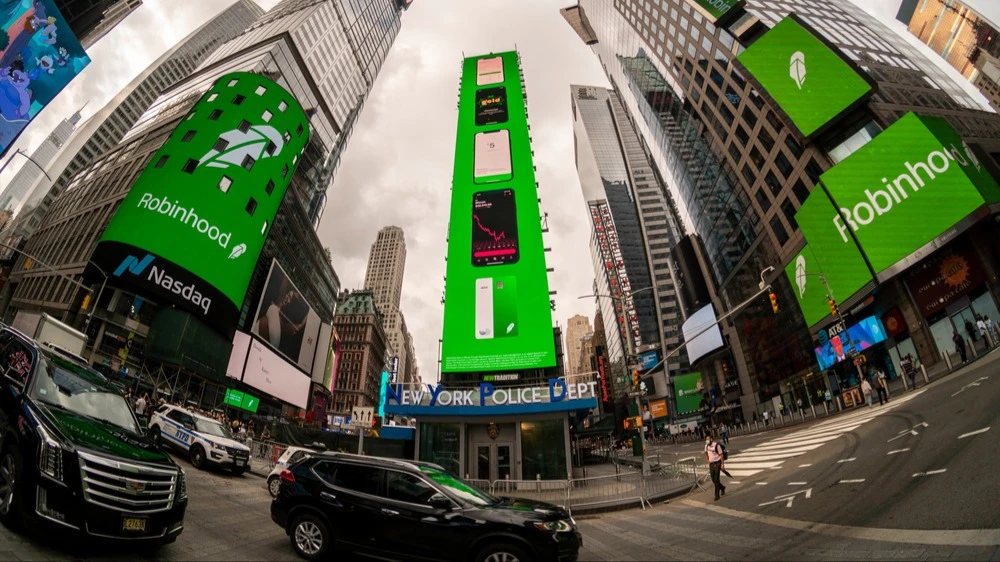
Four Factors Triggered the Robinhood Rally / Photo: rblfmr / Shutterstock.com
On September 3, Robinhood shares rose 16.6% and closed at $124.72. This is the highest price since December 10, 2025. Barron’s attributed the surge to improved prospects for the cryptocurrency platform and positive analyst ratings. Broker Moomoo also linked the rally to Bitcoin’s recovery, Robinhood Chain’s metrics, and the announced change in options trading fees.
The Cryptocurrency Boom
One of the factors driving Robinhood’s stock price surge on September 3 was Bitcoin’s return to above $80,000, noted options strategist Moomoo Monta Hong. He noted that shares of other cryptocurrency-related companies also rose: Strategy gained 18%, while Circle, Coinbase, Bitmine Immersion Technologies, and MARA Holdings each rose by more than 10%.
A significant portion of Robinhood’s revenue comes from cryptocurrency trading, which is why the company’s stock price often moves in tandem with digital asset prices, as Barron’s points out. For most of 2025, the trading platform’s stock price rose, but at the end of the year, it fell sharply along with cryptocurrencies.
Not just Bitcoin
Another factor driving the rally was the performance of the Robinhood Chain blockchain network. Its revenue on September 2 totaled about $4 million—more than any other blockchain that day—and reached approximately $12 million over the week, with a gross margin of about 90%, notes Hong of Moomoo. This revenue is not directly included in Robinhood’s reported financial metrics: the market views it as a strategic signal rather than a contribution to the company’s current results, the strategist believes.
Robinhood has also updated its options trading fees. Starting October 15, Professional-tier customers will pay an additional $0.50 for each options contract bought or sold. According to options exchange rules, this category includes clients who, on average, submitted more than 390 options orders per day across all self-directed accounts during the previous calendar month, Moomoo explains.
Wall Street Raises Its Estimates
This week, investment bank Morgan Stanley upgraded its rating on Robinhood shares from “neutral” (Equal Weight) to “overweight,” and raised its price target from $124 to $150 per share. The bank’s analyst, Michael Cypris, believes the market is underestimating how much the expansion of the product line increases the economic return from each customer.
Piper Sandler raised its price target from $135 to $145 per share: the decision was based not on the outlook for its core brokerage business, but on the growth of the fantasy sports market ahead of the start of the soccer season.
Scotiabank initiated coverage of Robinhood with an “Outperform” rating and a price target of $136.
According to MarketScreener, the average price target from 29 Wall Street analysts currently stands at $124.15—which is 0.45% below the closing price following the rally on September 3. The consensus on the company’s stock is a “buy” recommendation.
This article was AI-translated and verified by a human editor