S&P 500 above 7,500 points for first time: US-China talks weaken key threat

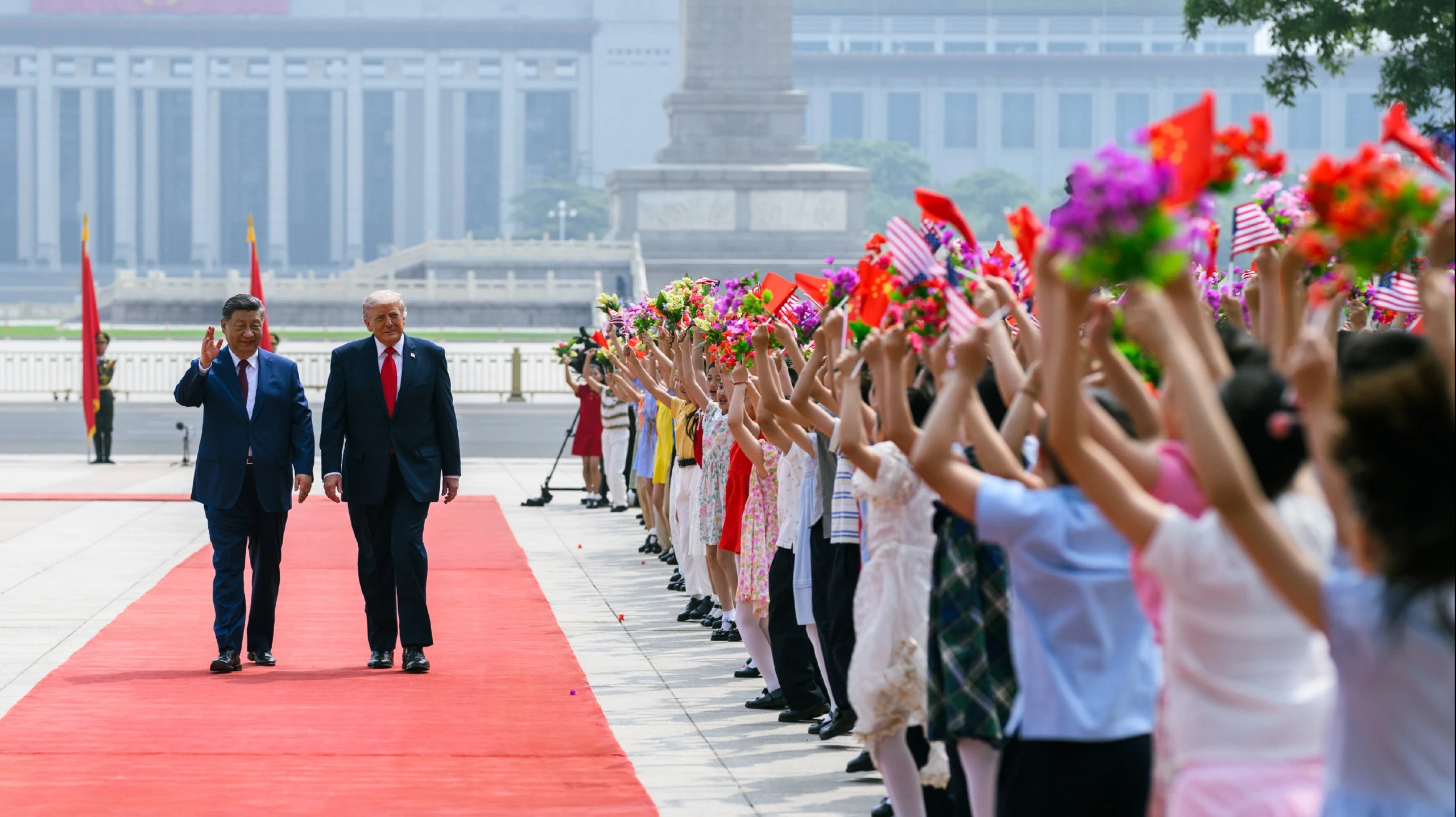
Trump and Xi talked more about trade than trade war at Beijing summit / Photo: X / White House
The S&P 500 at the end of trading on Thursday, Ma. 14, rose above 7,500 points for the first time, while the Dow Jones once again broke the 50,000-point mark. Investors were closely following the talks between the heads of the U.S. and China, which have already led to a partial unblocking of U.S. chip supplies to China and new Boeing contracts. At the same time, Iran allowed 30 Chinese ships to pass through the Strait of Hormuz, which could be a signal that tensions are de-escalating. Trump has signaled that Beijing is ready to support talks on the Iranian crisis, Bloomberg reports.
Details
- The S&P 500 broad market index rose 0.8% on Ma. 14 and reached a new high, surpassing the 7,500-point level.
- The Dow Jones Industrial Average blue-chip index also added about 0.8%, closing above 50,000 points for the first time since February.
- The Nasdaq Composite Technology Sector Index jumped 0.9%, reaching a new record.
- The Russell 2000 index of small and mid-capitalization companies was up 0.7%.
- Oil prices rose by about 1%. Brent futures rose to $106.7 per barrel, while North American WTI traded at $102 per barrel.
- The dollar index, which measures its exchange rate against a basket of other currencies, added 0.4 percent, the fourth straight day of gains for the dollar, the longest streak of appreciation since late March, Reuters calculated.
- Gold fell nearly 1% to $4,661 an ounce.
What drove the market
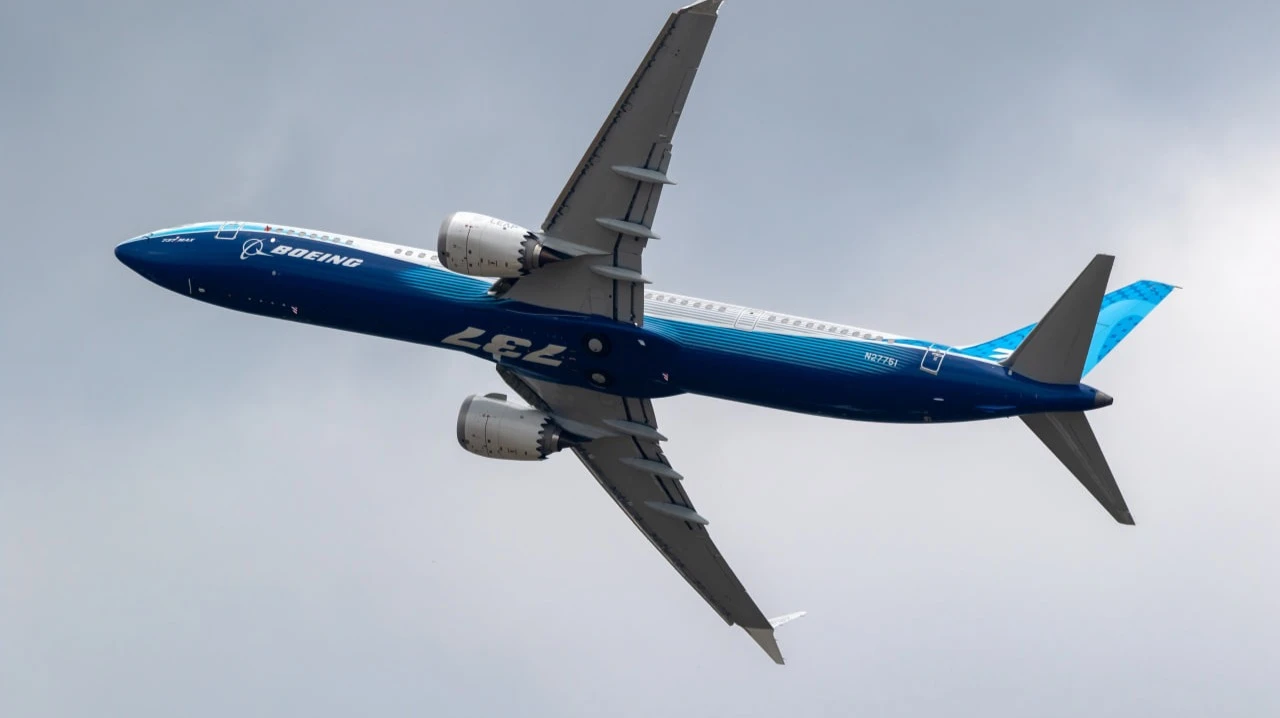
The Dow recovery was supported, in particular, by the growth of Nvidia quotations. The chipmaker's shares rose by 4.4% after it was reported that the U.S. allowed about ten Chinese companies to buy its H200 processors. Boeing shares, on the other hand, fell 4.7% after President Trump said the corporation would deliver 200 airplanes to China. Investors had hoped that a contract for 500 airliners would be announced.
Thursday's stock market gains were largely due to retail sales data for April, which showed that U.S. retailers' sales rose for the third straight month, MarketWatch writes.
Meanwhile, investors continue to ignore the ongoing conflict in the Middle East, which is keeping oil prices high and therefore fueling heightened inflationary concerns, CNBC noted.
The Iranian crisis was one of the topics of Trump's meeting with Chinese President Xi Jinping. The American leader said that his Chinese counterpart offered assistance, although China did not directly confirm this, Bloomberg reports. Commenting on the fracas, a White House spokesman said the two sides agreed: the Strait of Hormuz must remain open to keep energy flowing freely. Fox News also cites White House language that China opposes militarization of the strait.
On May 14, the cost of oil futures briefly declined after Iran's state media reported that about 30 ships had passed through the Strait of Hormuz. Iran's semi-official Fars news agency quoted a source as saying that Iran had begun allowing some Chinese ships to transit.
What the analysts are saying
Optimism around the U.S.-China talks is easing concerns about one of the biggest risks that could weigh on markets: the possibility of renewed trade tensions between the world's two largest economies, AI restrictions, and China's support for Iran, according to Interactive Brokers senior economist Jose Torres, as quoted by MarketWatch. The welcoming dialog, in his assessment, is a sign that President Trump is capable of handling foreign policy challenges.
"We're seeing that two months after the [Iranian] conflict began, consumers are still able to withstand higher gasoline prices and spend money on non-essential goods and services," U.S. Bank Asset Management Group investment strategist Thomas Heinlein told MarketWatch. - Consumer spending and business investment are the main drivers of earnings growth this year, and company reports confirm that."
This article was AI-translated and verified by a human editor