Samsung couldn't avoid an 18-day strike. What does this mean for the AI market?
Samsung factory shutdown threatens to exacerbate shortages of components for AI-powered data centers

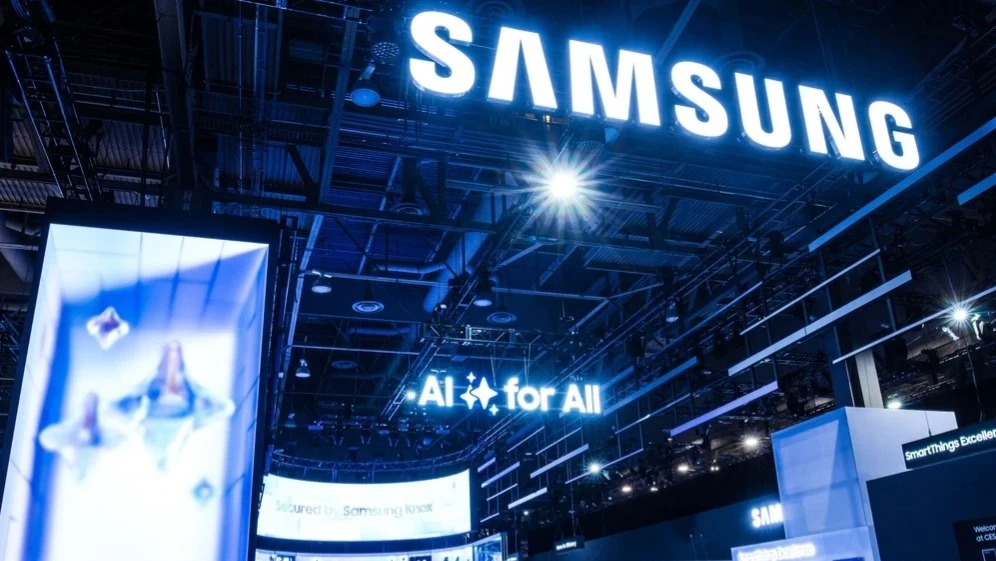
A strike at the factories of Samsung, the world's largest memory chip maker, threatens to turn into a shortage of AI hardware / Photo: RYO Alexandre/Shutterstock.com
Samsung Electronics, the world's largest supplier of memory chips, has failed to find a compromise with workers, making a large-scale plant shutdown inevitable. After publicly announcing the failure of the dialog, quotes of South Korea's most expensive company plummeted, dragging down the local stock market.
Details
The leader of Samsung's largest labor union Choi Seung-ho said that the company's management rejected Seoul's proposed settlement plan, which the union side agreed with, and the strike planned for Ma 21 will take place, South Korean news agency Yonhap reported. After that, the share price of the technology giant collapsed by 4.4%, and the local Kospi index fell by 3%.
Stumbling block
Samsung's dispute with labor has been dragging on since the end of 2025 and is related to performance bonuses for the company's semiconductor business, which is reaping super profits from a boom in investments in data centers for artificial intelligence. The company had proposed keeping the current bonus system and calculating the bonus pool based on 10% of operating profit. The union demanded fixed bonuses of 15% of the semiconductor division's profits and the elimination of the pay ceiling.
The two sides agreed to lift the bonus cap at 50 percent of annual salary, an industry source told Yonhap. But the company flatly refused to reward loss-making departments. "The reason no agreement was reached is that accepting the union's excessive demands would undermine the company's fundamental management principles," Reuters quoted Samsung as saying in a statement.
Why it's important
The shutdown of Samsung's factories threatens the entire technology industry: the company accounts for a third of the global market for RAM chips (DRAM) and a quarter of the market for high-speed memory (HBM), which are used in devices ranging from data center servers to smartphones and electric cars. The production disruption will hit the market at precisely the moment when the AI boom has triggered a global shortage of these chips, states Reuters. The labor dispute could also disrupt Samsung's production schedules and complicate the process of developing next-generation semiconductors, Bloomberg points out.
What's next?
Nearly 48,000 corporate employees will walk off the job tomorrow, beginning a general 18-day strike. Seoul has threatened to use an arbitration mechanism to legally freeze the protests for 30 days. However, on Ma 20, the South Korean government said that talk of applying this measure is premature and there is time for dialog, writes Reuters.
For South Korea, the strike may be broader than corporate conflict: Samsung provides nearly a quarter of South Korea's exports. The Bank of Korea estimates that the strike could reduce the country's GDP growth by 0.5 percentage points this year.
This article was AI-translated and verified by a human editor