Smid caps are outperforming U.S. large-cap indexes. But does the rally have legs?

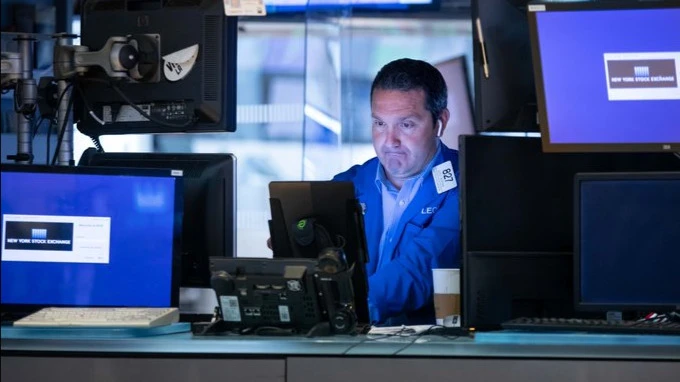
Chipmaker stocks are sliding after a rally on Monday / Photo: X / NYSE
On Tuesday, smid caps were rising significantly faster than the three major U.S. large-cap stock indexes, MarketWatch noted.
The Russell 2000 smid-cap index gained 1.20%, while the broad-market S&P 500 fell 0.26% (later extending its decline to 1.00%), the blue-chip Dow Jones Industrial Average slipped 0.47%, and the tech-heavy Nasdaq Composite tumbled 1.81% after rallying the previous day. Over the last two trading sessions, the Russell 2000 has advanced more than 2%, partially erasing last week’s losses. Later on Tuesday, the index pared these gains and was up 0.42% as of this writing.
Chipmaker stocks extended the previous day’s rally in early trading, with the Philadelphia Semiconductor Index rising 2.2% in the opening minutes of the session. However, it later gave up all of its gains and turned negative. The iShares Semiconductor ETF, after rebounding 6% on Monday, fell almost 4% on Tuesday. Broadcom lost almost 2% on Tuesday, while Micron Technology declined 1.9%, Nvidia fell 1.2%, and Intel dropped 1.0%. Apple shares slid 3% following the company’s presentation of its AI-powered Siri and new iOS the day before. CNBC noted that the rally in semiconductor stocks was losing momentum.
Brent crude futures fell 3.46% on Tuesday to $91.00 per barrel, while WTI crude futures dropped 3.82% to $87.80 per barrel. Prices declined after U.S. Energy Secretary Chris Wright said shipping through the Strait of Hormuz was “rising very meaningfully,” CNBC reported. Additional downward pressure on prices came from comments by U.S. President Trump, who said a deal between the U.S. and Iran could be reached within two or three days, after which the Strait of Hormuz would reopen to shipping “immediately.”
While chip stocks and AI-related shares have been the market’s primary drivers in recent days, GQG Partners portfolio manager Brian Kersmanc questioned, in an interview on CNBC, how durable that trend might prove to be. He noted that many chipmakers are, in effect, commodity businesses, pointing out that in some segments of the memory market, prices have increased roughly fifteenfold over the last year. He made an analogy with oil, rhetorically asking, if oil were to rise from $60 to $900 per barrel, would many investors still be buying oil stocks?