South Korean stocks hit an all-time high and immediately collapsed. What happened?


Photo: Sava Bobov / unsplash
Shares and currencies of emerging markets under pressure from rising oil prices declined after two consecutive sessions of growth, Bloomberg notes. The stock market of South Korea is the leader in terms of losses on the background of this decline.
Details
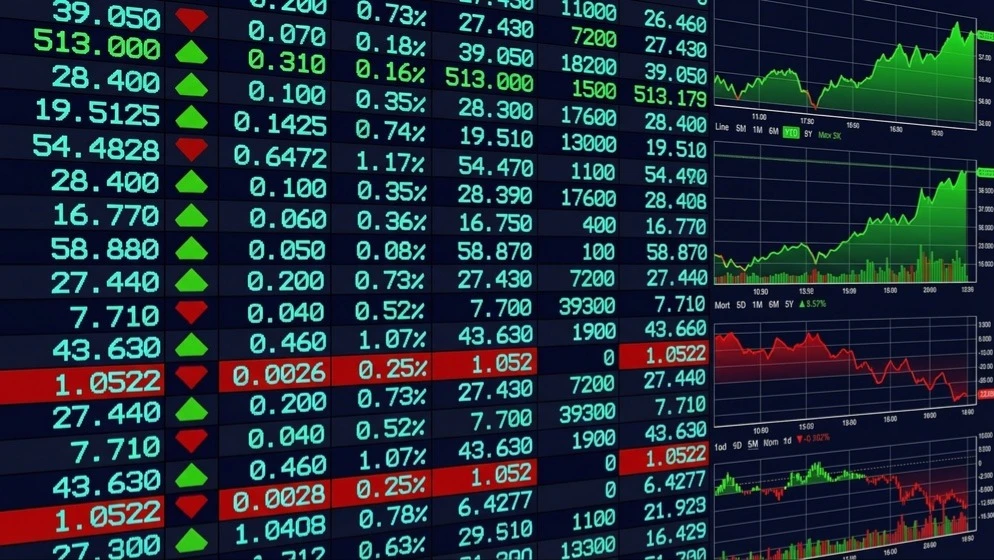
By the close of trading on May 15, the main South Korean index Kospi collapsed by more than 6%, although at the beginning of the session rose by 0.8% and reached a new all-time high of 8046.78 points. The Kospi ended the day at 7493.18 - due to increased selling by foreign investors, Bloomberg notes. The Kospi's technology sector took the biggest hit from the sell-off, with net outflows exceeding $2.8 billion, Bloomberg calculated.
Shares of Samsung Electronics and SK Hynix, which have contributed significantly to the Kospi's roughly 80 percent rise this year, fell 8.6 percent and 7.66 percent, respectively, on Ma 15, their worst performance since early Ma. Still, Samsung Electronics is up more than 125 percent since the start of the year, while SK Hynix is up nearly 180 percent. Pressure on Samsung's securities on Friday, among other things, was exerted by threats of a strike by the company's workers: due to disagreements over the size of bonuses and bonuses amid Samsung's profit growth on the back of the AI boom, the company's workers' union plans to launch an 18-week strike at the end of Ma.
The MSCI Emerging Market Index, meanwhile, fell 2.5% on May 15, its biggest decline in more than six weeks.
What the market is saying
Concerns about rising inflation have reduced market participants' appetite for risk, while the summit between the heads of the US and China did not bring significant results, the agency explains. Investor sentiment, according to Bloomberg, was also worsened by US President Donald Trump's statements that the US is not as much interested in opening the Strait of Hormuz compared to China. The rise in government bond yields and oil prices reduced investors' appetite for risk. Brent crude oil with delivery in July rose almost 2% to $107.58 per barrel in trading on May 15, amid the unresolved issue with the Strait of Hormuz, shipping through which stopped more than two months ago.
The material is supplemented
This article was AI-translated and verified by a human editor