Spy Scandal Has Increased the Risk of Tighter Export Restrictions on Nvidia, Analysts Say

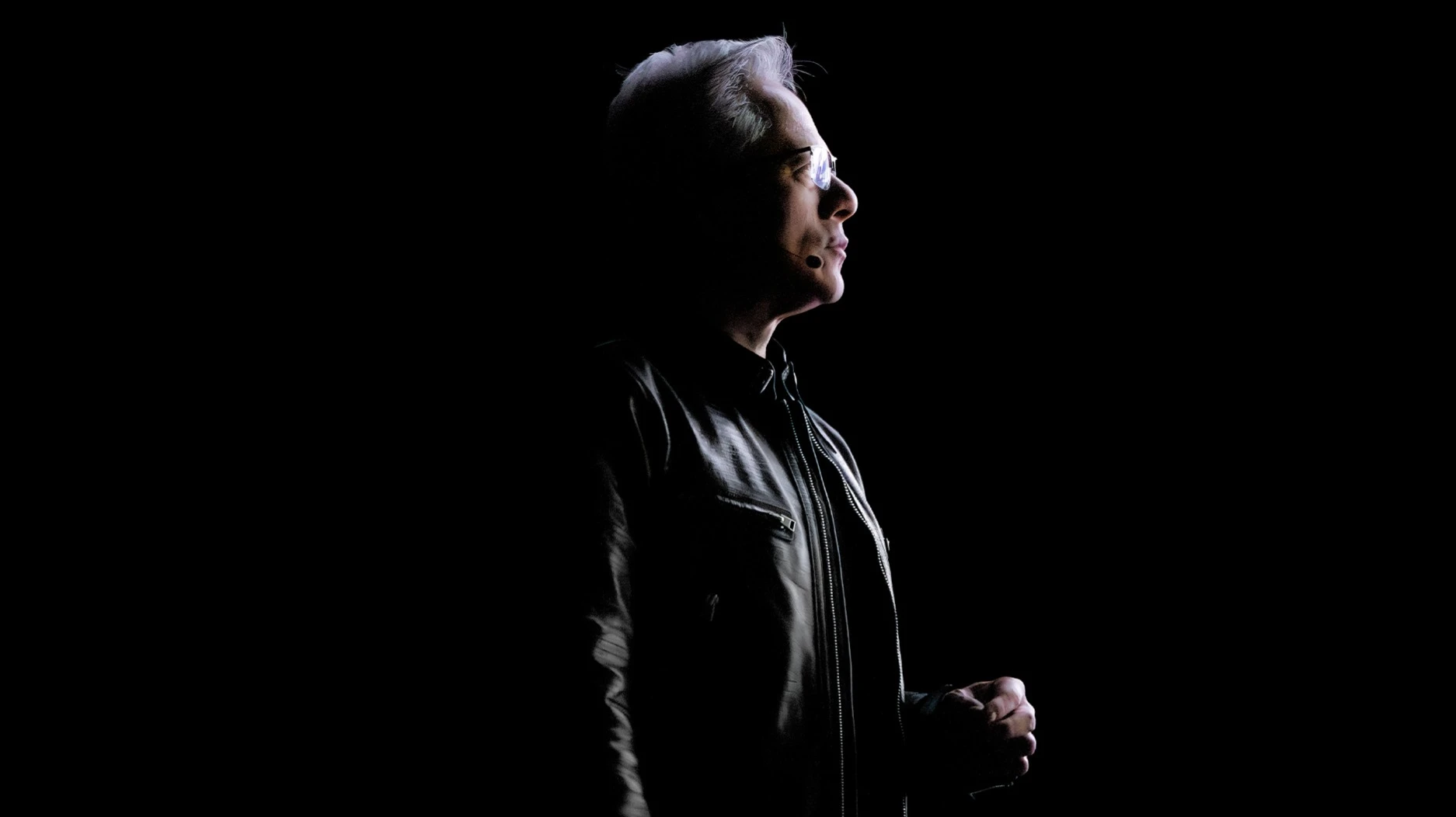
Nvidia Faces New Restrictions on Chip Sales to China Following the Huang Scandal / Photo: x.com/nvidia
Nvidia may face stricter sanctions on exports from the U.S. to China after its CEO, Jensen Huang, admitted to having an affair with a woman suspected of having ties to Chinese intelligence, according to MarketWatch. Amid the investigation, the likelihood of legislation restricting Nvidia’s chip shipments to China has increased; analysts believe it could be approved as early as December.
Details
Against the backdrop of an internal investigation at Nvidia, the likelihood that the Chip Security Act—a bill aimed at combating the smuggling of advanced AI chips—will be passed has risen from 60% to 80%, according to estimates by Veda Partners analysts Henrietta Treitz and Dan McCarthy. The chances of the AI Overwatch Act—which tightens controls on the export of such chips—being passed have risen from 40% to 65%, while those for the Match Act—which restricts the supply of chip-manufacturing equipment—have risen from 35% to 60%. All three bills primarily affect Nvidia as the manufacturer of the most advanced chips in high demand in China, according to MarketWatch.
These initiatives were included in the mandatory annual defense and national security budget bill approved by the Senate earlier this year. However, they were not included in the bill passed by the House of Representatives. Negotiators from both chambers are now discussing the differences and working to ensure that the final version can be approved by Congress and signed by the president next month, the publication reports.
“These bills are gaining more and more support amid the Jensen Huang espionage scandal and the White House’s willingness to propose amendments to them,” noted Owen Tedford, a senior analyst at Beacon Policy Advisors. He added that, in his estimation, the final version—if passed—will most likely be less stringent than the current text.
Analysts at Veda Partners noted that it will be important for investors to follow news about the closed-door hearings involving Huang, which will be held on November 18 by the House Intelligence, Foreign Affairs, and China committees. During these hearings, the analysts themselves will focus on looking for signs that information about White House policy regarding chips and AI may have been passed on to a potential Chinese intelligence agent.
The likelihood that the Trump administration will take a tougher stance toward Nvidia has also increased, “but only slightly,” Veda noted. They believe the most likely measure the executive branch will take is to step up efforts to combat the smuggling of chips into China.
Another possible—though less likely—move by the White House, according to Veda analysts, would be to ban Chinese companies from remotely accessing advanced chips via data centers in other countries. A more radical option would be to revoke Nvidia’s license to export H200 chips to China, however, this is “unlikely in the short term, given the history of the relationship between Trump and Huang and the president’s longstanding desire to support Nvidia,” Veda analysts wrote.
In premarket trading on November 11, Nvidia shares rose 5.5% after falling more than 6% on November 10. Year-to-date, the stock has lost 9%, significantly underperforming the broader market.
What the U.S. authorities are saying
Amid the espionage scandal, Trump expressed support for Nvidia’s CEO, saying that he had “built a great company.” He noted that Huang claims he had no idea about his mistress’s status and called him “a very decent man.” However, some Republicans in Congress do not share this view. Republican John Mulinar, chairman of the House China Committee, said he expects transparency from Huang and warned that Nvidia’s internal investigation should not amount to “damage control.”
Republican Michael McCaul called for an immediate suspension of shipments of advanced AI chips to China until the investigation is complete. Senators Jim Banks and Elizabeth Warren, the authors of the AI Overwatch Act, stated that Huang’s book “raises important questions that Nvidia must address” and called for the final passage of their bill.
According to OpenSecrets, an organization that tracks lobbying activities, Nvidia spent $4.69 million on lobbying in Washington during the first three quarters of 2026 and may exceed last year’s record of $4.97 million. The company stated that it lobbied on issues related to the Chip Security Act and the AI Overwatch Act.
Context
The battle over China’s access to Nvidia chips did not begin now; events unfolded along similar lines last year. In December 2025, the final version of the defense package did not include the GAIN AI Act, which would have required chip manufacturers to prioritize meeting the demand of U.S. customers before supplying products abroad. The Senate approved it, but it did not make it into the House of Representatives’ version, and its exclusion was a lobbying victory for Nvidia.
Almost immediately, a group of senators from both parties introduced the SAFE CHIPS Act, which would have banned the export to China of chips more powerful than those already authorized for 30 months. However, on December 8, 2025, Trump announced that he would authorize shipments of the Nvidia H200 to approved Chinese customers on the condition that 25% of the revenue be remitted to the government, and in January 2026, the Department of Commerce officially codified this decision. In response, the House Foreign Affairs Committee approved the AI Overwatch Act in January of this year, one of the bills currently under discussion.
This article was AI-translated and verified by a human editor