Tesla will discontinue the Cybertruck in 2027 after several years of sluggish sales
The company wants to free up production capacity for the manufacture of Cybercab self-driving cars

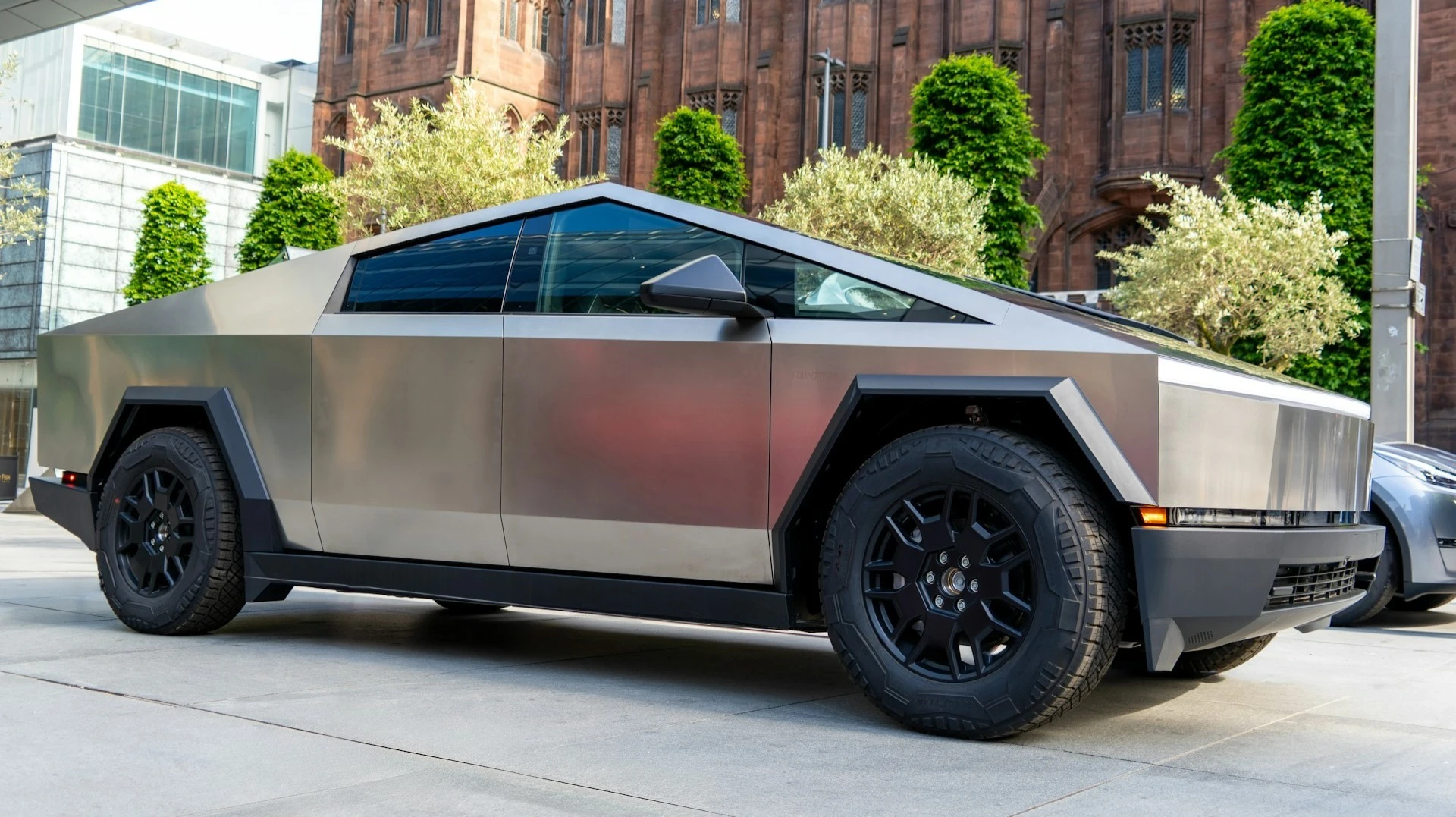
Tesla Will Halt Cybertruck Production at Its Only Plant in Texas / Photo: Unsplash / Mylo Kaye
Tesla will halt production of the Cybertruck electric pickup to free up capacity for the production of the Cybercab self-driving car. Company CEO Elon Musk announced this on Friday on the social media platform X. The decision comes after several years of sluggish sales for the model, which was positioned at launch as a futuristic competitor to traditional pickup trucks, according to Reuters.
Details
Tesla will stop producing the Cybertruck electric pickup at its Texas factory around mid-2027, Musk wrote. This will free up capacity to increase production of the Cybercab autonomous vehicle, the Tesla CEO said. The billionaire considers this self-driving electric vehicle to be central to Tesla’s ambitions in the field of autonomous transportation, Reuters noted.
The Austin plant is Tesla's only facility equipped to manufacture specific components for the electric pickup truck, according to Reuters. In a subsequent post on X, Musk confirmed that production of the Cybertruck will be discontinued entirely, though he hopes the pickup fleet will remain in service “for a long time to come.” Wes Morrell, the lead engineer on the Cybertruck project, wrote on X that the model “has become an incredible technological platform for development and lives on in the Cybercab.”
Tesla shares rose by about 5% during trading on Friday, November 6.
What does that mean?
The decision to halt production partly reflects the pickup’s “relatively limited commercial success,” according to Barclays analyst Dan Levy, as quoted by Bloomberg. Tesla produces about 20,000 Cybertrucks per year—that’s roughly 1% of the company’s total output and only a small fraction of the 125,000 units the Texas plant is capable of producing, Levy noted. Cybertruck sales in the U.S. in 2025 totaled 20,237 vehicles—48% fewer than in 2024, according to data from Kelley Blue Book cited by Reuters.
When production began in 2023, Musk projected annual sales of 250,000 units. SpaceX, the space company also led by Musk, became one of the model’s largest buyers: in 2025, it purchased $131 million worth of pickup trucks at retail prices, according to its IPO prospectus.
“There’s no point in continuing if the model isn’t meeting its targets. Any sensible person in the auto industry would say the same thing. This will undoubtedly remain nothing more than an insignificant rounding error on Tesla’s balance sheet, but the statistics speak for themselves,” said former Aston Martin CEO Andy Palmer, as quoted by Reuters.
Although the Cybertruck is considered a failure due to poor sales, electric pickup trucks from Ford and other manufacturers have also failed to find a market in the U.S., according to automotive analyst Felipe Muñoz. “They’ve all lost out to the competition because electric pickup trucks aren’t popular in the U.S. market,” Reuters quotes the analyst as saying.
The discontinuation of the Cybertruck continues the trend of downsizing Tesla’s lineup: Tesla’s model range is now smaller than it has been in more than a decade, notes The Wall Street Journal. Earlier this year, the electric-vehicle manufacturer discontinued production of the Model S and Model X. Now, the vast majority of sales come from the Model Y and Model 3.
Bet on Cybercab
The Cybercab is a two-seater model with gull-wing doors, no steering wheel, pedals, or mirrors. It is one of Musk’s key initiatives in his effort to transform Tesla from an automaker into a company in the fields of artificial intelligence and robotics. According to Musk, he sees the Cybercab as the primary autonomous vehicle for a global network of robotaxis. In September, Tesla began offering paid rides with a small fleet of Cybercabs in Austin; however, the company has yet to respond to questions from regulators regarding whether it properly self-certified the model for compliance with federal safety standards. The agency launched an investigation in September.
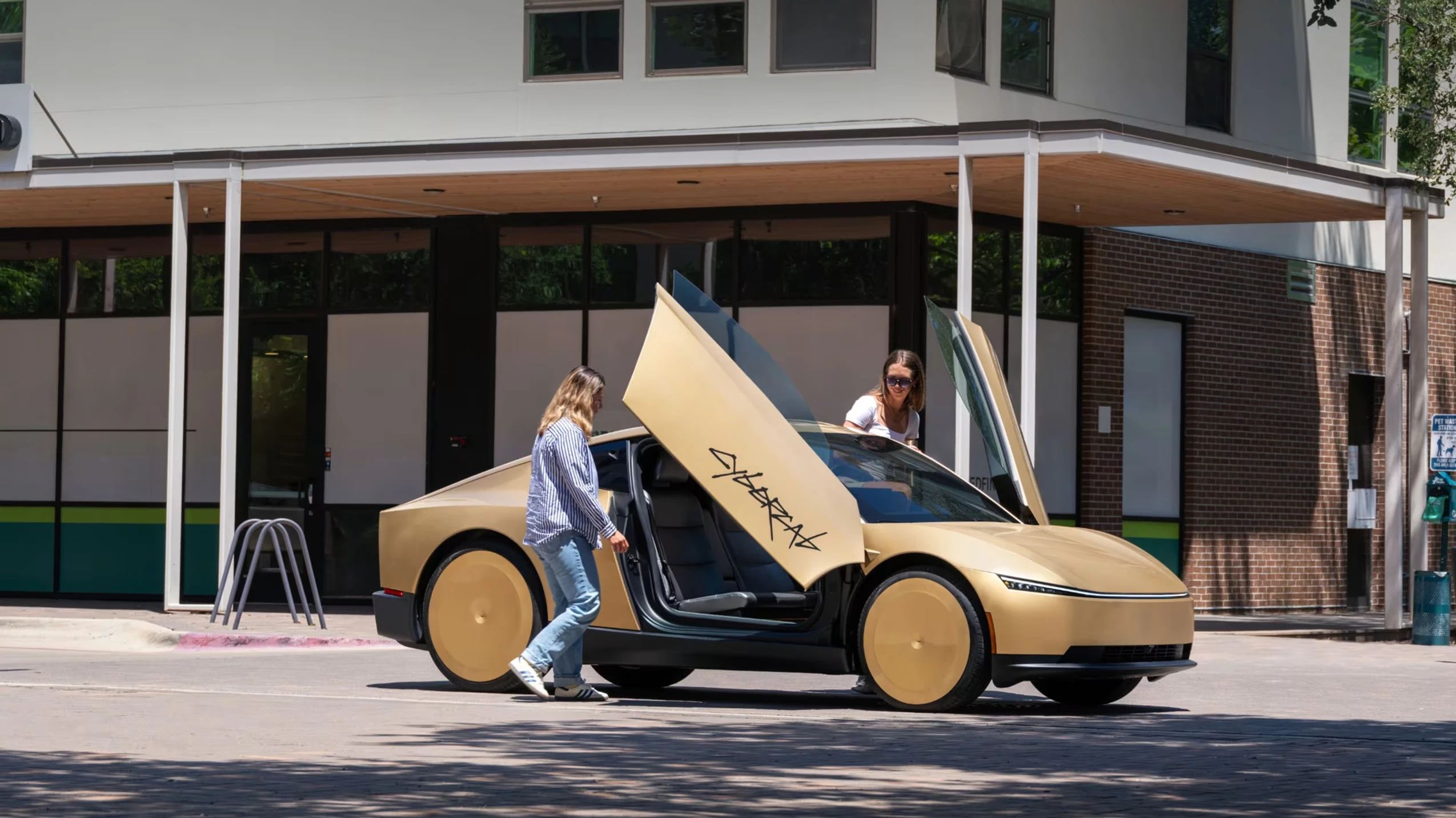
It is unlikely that the lost Cybertruck volume will be quickly offset by the new model: production of the Cybercab only began this year, and its stated production capacity is more than 125,000 vehicles per year, Reuters notes. Of the more than 1,200 Tesla robotaxis operating in Texas, about 570 are Cybercabs, with the rest being primarily Model Ys.
Context
At its official launch in 2023, Musk described the Cybertruck as a futuristic competitor to General Motors and Ford pickup trucks. The angular stainless-steel design limited the model’s prospects in Europe, where electric vehicles are more popular: obtaining regulatory approval there proved impossible due to standards designed to protect pedestrians, Reuters notes. “Where crash test regulations that account for pedestrian impact are in effect, the Cybertruck won’t run and won’t be able to run,” Palmer said.
The announcement came at the end of a difficult week for Musk: his record political spending of nearly $500 million failed to yield results in Tuesday’s U.S. midterm elections—most of the Republican candidates he backed lost. Collectively, Musk’s companies may have lost more than $370 billion in market capitalization over the course of the week.
This article was AI-translated and verified by a human editor