Musk's salary, lost profits and 38 pages of risks: what SpaceX revealed ahead of its IPO
SpaceX told investors it lost nearly $5 billion last year and cited Musk's possible departure among the risks to the business

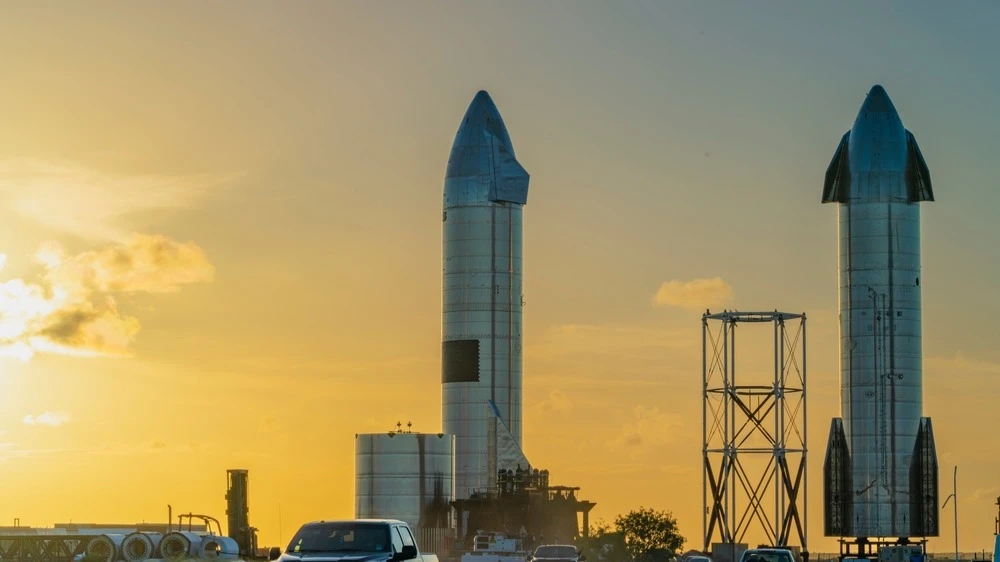
SpaceX said its strategy relies heavily on its Starship reusable launch vehicle development program / Photo: luckyluke007 / Shutterstock.com
SpaceX on May 20 published a prospectus for its initial public offering, which could be the largest in history. The main thing from the document:
What is known about the IPO
SpaceX has chosen the Nasdaq exchange for its debut. The stock will begin trading in June under the ticker SPCX.
The prospectus does not disclose how much money SpaceX plans to raise from the offering and at what valuation. The Financial Times, citing sources, earlier wrote that the company is discussing raising about $75 billion at a valuation of $1.75 trillion.
CEO Elon Musk and some other major investors have pledged not to sell their shares for 366 days after the start of trading. For other shareholders, there is a 180-day moratorium on selling shares.
Who controls SpaceX
Elon Musk owned 85.1% of SpaceX's voting shares as of May 1. This makes his dismissal virtually impossible.
SpaceX explained in the prospectus that it is "highly dependent" on Musk's work and performance, and his vision and expertise are critical to the business.
"He has been and continues to be a key driver of our growth, innovation and operational success. His loss (including death or incapacity) or his inability or unwillingness to continue in his current roles could materially disrupt the management structure, impair the execution of strategic plans and adversely affect the company's reputation and relationships with customers, partners and other stakeholders"
What has come to light about SpaceX's finances
SpaceX revenue last year amounted to $18.7 billion, up 33% year-on-year. At the same time, the company recorded a net loss of $4.94 billion after a profit of $791 million a year earlier. SpaceX went into the negative due to a sharp increase in costs. Capital expenditures in 2025 reached $20.7 billion, increasing by 85%. SpaceX attributed this to spending on the Starship reusable rocket project, Starlink network expansion and investments in artificial intelligence.
The main source of SpaceX revenue is the Starlink network, which provides Internet access via satellites in low-Earth orbit. Starlink brought more than $11 billion - 70% of the company's revenue in 2025. At the end of March, the service had about 10 million subscribers - twice as many as a year earlier.
SpaceX will receive about $45 billion over the next three years from AI startup Anthropic. The space company leased computing power in its data centers to chatbot developer Claude for about $1.25 billion a month.
As of March 31, SpaceX had $29.132 billion in debt.
In a section on risks, SpaceX warned that it may not achieve profits in the future or, even if it does, may not be able to maintain them consistently. The company noted that it expects capital expenditures and operating expenses to increase in the future.
The financial situation of SpaceX is noticeably worse than that of any other major U.S. company, The Wall Street Journal notes. For example, Meta, which has the same capitalization that Musk's company is counting on, last year had 11 times more revenue and $60 billion in profit. In general, the 15 largest U.S. companies are valued at about seven times their annual revenues. SpaceX, if its final valuation is $1.5 trillion, would be valued at 80 revenues.
How much does Elon Musk make?
SpaceX has revealed the salaries of its top executives in documents. Elon Musk's base salary from 2019 remains at $54,080 per year, the company said. At the same time, the project of his remuneration provides for the granting of shares depending on the achievement of goals. For Musk to receive the maximum possible reward, SpaceX must create a permanent colony on Mars with a population of at least 1 million people, and its market capitalization should reach $7.5 trillion.
What risks investors in SpaceX need to know about
SpaceX described its risks in the prospectus on 38 pages. They can be divided into several categories:
Technology risks: The company warned that its development strategy relies heavily on its Starship development program, a reusable super-heavy launch vehicle. The pace of its commercial production will determine whether SpaceX can deploy next-generation satellites and build orbital data centers for artificial intelligence, the prospectus said. SpaceX cannot guarantee that it will achieve "its goals for Starship within the expected timeframe or that it will achieve them at all."
Many SpaceX projects have no analogues - for example, orbital data centers and the exploration of the Moon and Mars. The timing of their implementation is difficult to determine, and eventually these projects may not succeed, the company admits.
SpaceX reminds that rocket launches inevitably involve the risk of accidents. The company does not insure either rockets, satellites or other payloads and in case of their loss bears all financial losses. In addition, in case of accidents, debris can cause damage to people and property on the ground, which also carries risks for the company.
Regulatory risks: SpaceX's businesses are subject to heavy regulation both in the U.S. and internationally. Space launches require licenses - and any delays in the process could lead to postponements or cancellations, disruption of customer commitments and increased costs, SpaceX warned.
Additional risks are posed by AI and social media regulation. SpaceX notes that legislation in these areas (e.g., data privacy, cybersecurity, protection of minors, etc.) is constantly changing and can be "subject to ambiguous interpretation." Because of this, the company may need to make changes to its products or bear the risk of significant fines, SpaceX writes.
The increased risks, the prospectus said, are posed by certain features of Grok's AI model - namely the Spicy and Unhinged modes, which formulate more provocative and candid responses. If Grok goes too far, SpaceX will suffer reputational damage, could face lawsuits and negative reactions from users and advertisers, the company warned.
Space risks. "Space is inherently hostile," the company writes in its prospectus. Its rockets and satellites are subject to temperature extremes, radiation, and risks of collision with space debris. Particularly challenging is the design of the orbital data centers SpaceX plans to deploy. This infrastructure has never been operated in space before, once deployed it will be inaccessible for repair, and any hardware failures could lead to irreversible loss of computing power.
Risks of natural disasters and geopolitical conflicts. It is critical for SpaceX to keep all infrastructure - satellites, ground facilities and data centers - running smoothly. Any disruption, be it a cyberattack, natural disaster, fire, war or technical failure, can cause cascading effects across the entire operational chain, from loss of connectivity for Starlink subscribers to disabling orbital constellations.
SpaceX also notes that it could face sanctions for using its satellites to provide communications in conflict zones, and there is also a risk that the company's satellites could be attacked as a result of the "militarization of space."
Unfavorable macroeconomic conditions. Recessions, rising inflation and lower consumer spending may reduce demand for Starlink services and AI-based products.
Elon Musk. The company's CEO is also featured in the risk section. SpaceX reiterates to investors that Musk is critical to the company and his loss could result in losses. The company does not insure his life.
Other risks the company warned about include hacker attacks, supplier failures, fierce competition in markets, competition for talent, reliance on government contracts, which accounted for about 20% of SpaceX's revenue last year, etc.
This article was AI-translated and verified by a human editor