"The capitulation of those who held out until the very end." Hertz shares had their worst day ever

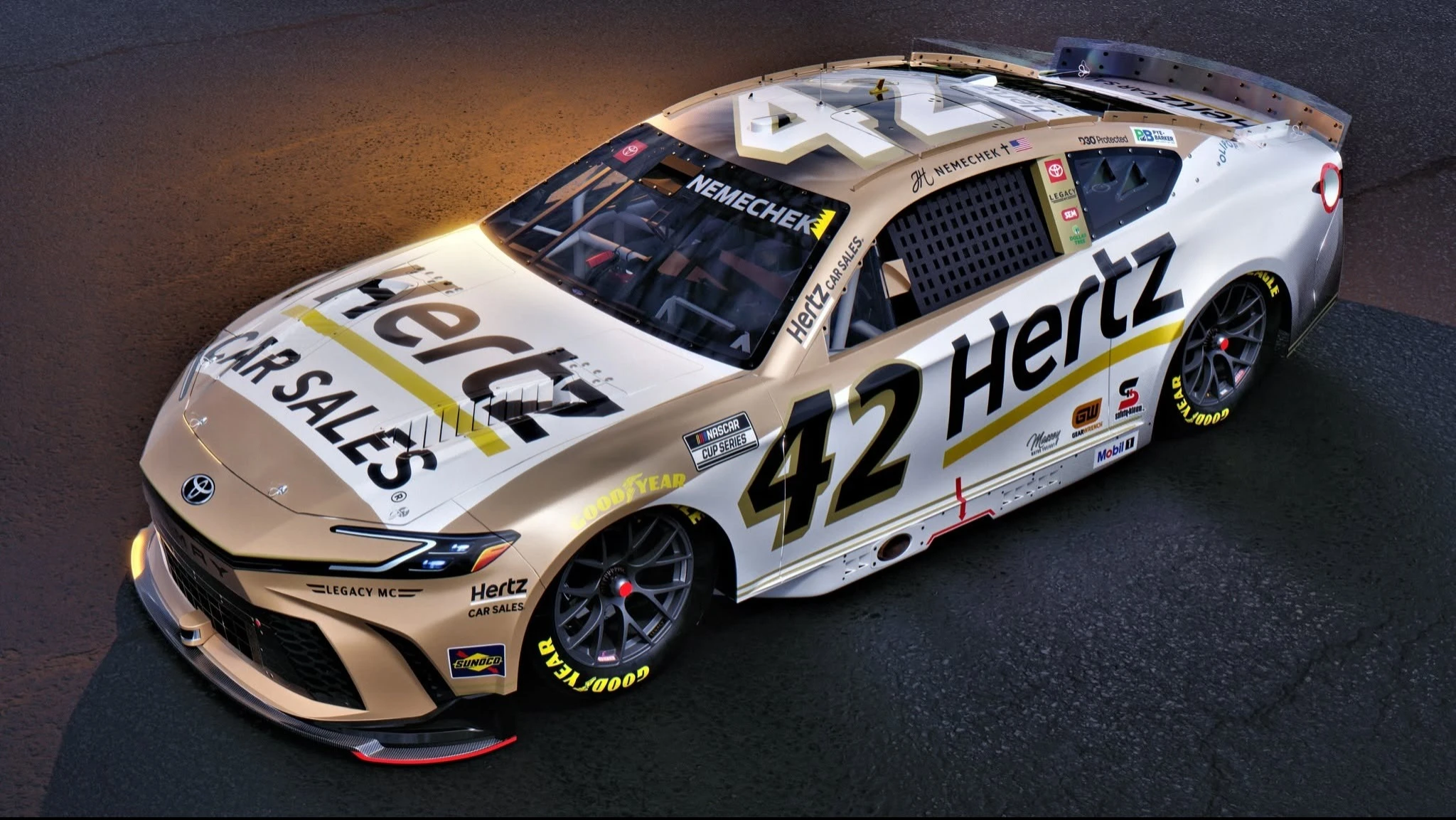
Low demand for used cars will hurt Hertz's profits / Photo: Facebook / Hertz
Shares of Hertz, one of the largest car rental companies, plummeted nearly 41% on June 24, marking the sharpest one-day drop in its history. The company warned of an “unexpected decline in demand” and simultaneously announced a capital-raising move that Bloomberg described as unusual and a Nationwide strategist called “a capitulation.”
Details
Hertz shares plummeted nearly 41% to $3 on the Nasdaq on June 24. According to Barron’s, this was the largest one-day drop in the company’s entire history as a publicly traded company. In premarket trading on June 25, the stock continued to decline slightly.
The company reported that, according to preliminary data, its adjusted EBITDA for the second quarter of 2026 was $50–80 million, which is closer to the lower end of the market’s expected range. Hertz attributed this to a decline in demand for used cars, whereas the company itself had anticipated growth. The situation led to an increase in depreciation expenses, the company explained in documents filed with the regulator.
The situation was exacerbated by Hertz’s announcement of plans to issue $100 million in shares and an additional $300 million in bonds with in-kind payments, according to Barron’s. Moreover, it will lend the shares to the underwriter, JPMorgan Securities, so that investors can open short positions to hedge their bond purchases. The company will not receive any money from this offering—only a commission for lending the shares. Hertz plans to use the proceeds from the bonds, among other things, to repay debt. As of March 31, total debt stood at $18.2 billion, with first-quarter revenue of $2 billion.
What does this mean for the company?
Hertz takes an unconventional approach to issuing debt, Bloomberg noted.
“This is a sign that they [the company] see the need for drastic measures. The situation has been unstable for some time, and [...] this may signal the capitulation of those who held out until the very end,” Mark Hackett, chief market strategist at the financial firm Nationwide, told the agency.
The new offering will significantly dilute the stakes of existing shareholders, according to Matt Maley, chief market strategist at Miller Tabak + Co. To raise $100 million, the company will sell more than 25 million shares, or 21% of the total number of shares outstanding, Maley calculated. However, the actual size of the offering will be even larger: on June 25, Hertz announced that it would sell 37 million shares at $2.70—10% below their last closing price—and also increased its bond offering to $350 million.
What's happening with the company?
In 2020, at the height of the coronavirus pandemic, Hertz filed for bankruptcy under a chapter that allows a company to restructure its business rather than liquidate. Just a few months later, the company’s stock price soared by nearly 900% as traders snapped up “penny stocks” on the popular Robinhood app, Bloomberg reported.
“Financial experts reacted with a mixture of bewilderment and contempt. Shareholders usually lose all their money in a bankruptcy, so who would invest in such stocks?” reported The Wall Street Journal. It called Hertz the first “meme” stock.
As a result, the service was able to emerge from bankruptcy proceedings after a court approved the transfer of control over the company to institutional investors in 2021.
Since then, it has been working to rebuild its business, in part by developing new services and partnerships. For example, in 2025, it managed to renew its fleet and began selling off the old vehicles through Hertz Car Sales. In 2026, it announced a partnership with Uber, which led to a sharp rise in its stock price.