The oil market signaled an oversupply following the resumption of operations in the Strait of Hormuz

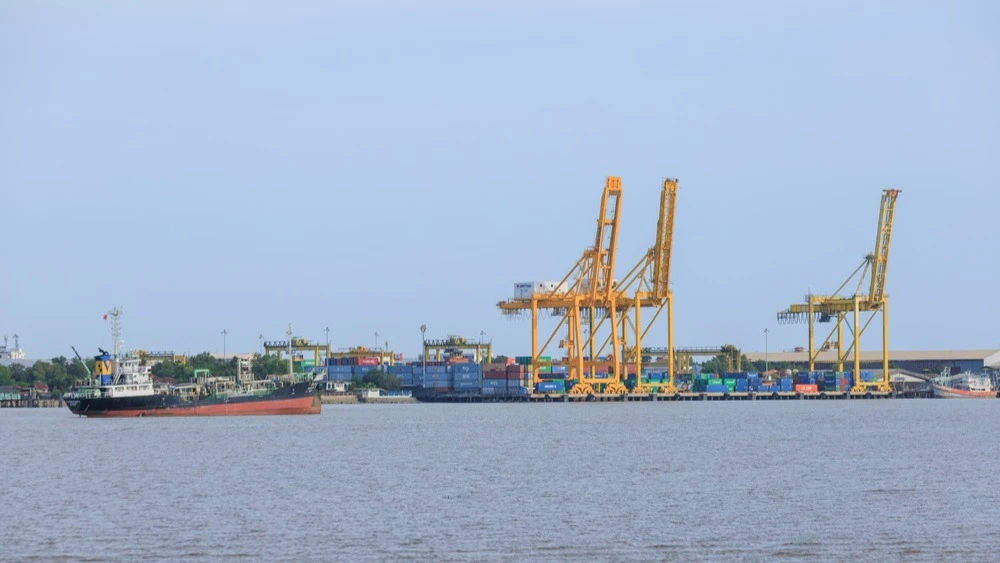
After shipping traffic through the Strait of Hormuz picked up, the market began to factor a short-term supply glut into oil prices / Photo: Ram the image creator / Shutterstock
The price of Brent crude oil futures for September delivery is higher than that of contracts for August delivery. This happened for the first time yesterday, June 24, as noted by Reuters—marking the first such occurrence since late February, when the war in Iran began. This trend indicates an increase in market supply in the short term, the agency notes. On June 25, Brent crude oil completely erased all the gains recorded since the start of hostilities in the Middle East and is trading at around $72.7.
Details
On June 25, September contracts for Brent crude, the global benchmark, were trading at $0.36 above the August contracts. The day before, that spread was $0.12. This trend indicates that the market is pricing in a sufficient volume of current oil supply in the price of oil futures, while also anticipating a decline in supply in the coming months, Reuters explains.
"We are looking at the prospect of a sharp increase in physical shipments from the Persian Gulf. So for now, we are in a situation of a slight surplus, as demand needs to be stimulated again," said Neil Crosby, head of research at Sparta Commodities.
What's Happening in the Strait of Hormuz
Over the past 24 hours (as of Wednesday, June 24), approximately 20 million barrels of oil have passed through the Strait of Hormuz, U.S. Energy Secretary Chris Wright said yesterday at the Reuters World Energy Forum in New York. He described these shipment volumes as a return to pre-war levels. According to ship-tracking data, on Wednesday, three tankers that had previously been blocked in the Middle East—carrying 5 million barrels of crude—were leaving the Strait of Hormuz, the agency notes.
In total, at least 20 oil tankers carrying 35 million barrels of crude oil—which had been stranded in the Persian Gulf—passed through the Strait of Hormuz after the U.S. and Iran agreed on June 17 to reopen the waterway. This is according to data from Kpler, an analytics firm that tracks global trade flows, as reported by CNBC. Researchers predict that the vessels should reach their final destinations—most of which are in Asia—by early August.
According to Kpler, confirmed oil shipments through the Strait of Hormuz have thus risen to a total of approximately 4.8 million barrels per day since the U.S.-Iran agreement was signed. Nevertheless, export volumes remain significantly below pre-war levels, when 15 million barrels per day passed through the strait, the TV channel notes.
“There is growing confidence that, with the resumption of shipping through the Strait of Hormuz, supply will exceed demand in both the short and medium term,” said Tamás Varga, an analyst at PVM Oil Associates, adding that there has been a “profound shift in market sentiment” in recent weeks.
What's Happening with Oil Prices
Brent crude has completely erased all the gains recorded since the start of hostilities after oil shipments through the Strait of Hormuz increased amid progress in peace talks between the U.S. and Iran, Bloomberg notes.
The global benchmark for August delivery fell for the fourth consecutive session in trading on June 25, hitting a low of $72 per barrel on Thursday. The price of West Texas Intermediate (WTI) crude is trading below $70.
This decline marks the end of an extremely volatile period over the past few months for the oil market, during which the price of oil futures exceeded $125 per barrel, while prices for actual physical shipments of crude soared to record highs, the agency reports.
“The reversal in prices and market sentiment compared to what was happening in the market less than two weeks ago is simply striking. The perception that we are moving toward a situation of rising supply amid falling demand has really pushed prices down,” said Carolyn Kissan, associate dean of New York University’s Center for Global Affairs. Her comments were published by Bloomberg.
What are the risks?
A temporary exemption from U.S. sanctions on Iranian oil, allowing buyers to purchase Iranian oil that has already been loaded, will lead to a further increase in supply, Bloomberg notes. However, issues with financing such transactions and problems with insurance remain, which will likely limit actual sales volumes.
Another issue that remains is the possibility that Iran might attempt to impose a toll for passage through the Strait of Hormuz. On Wednesday, Donald Trump told reporters: “Tolls [for passage through the Strait of Hormuz] will be a ‘red line’ for U.S. negotiations with Tehran,” adding that he would reject any final agreement if such a fee were included in it.
Last week, the parties signed a memorandum of understanding—essentially a temporary peace agreement. Under the terms of the agreement, the U.S. and Iran agreed to keep the Strait of Hormuz open to shipping for at least 60 days and to cease hostilities. Sixty days after the memorandum is signed, Washington and Tehran have committed to signing a final draft of the peace agreement. It is expected that by that time, the parties will have reached an agreement on the document’s contentious points. These include, among other things, Iran’s nuclear program and Iran’s control over the passage of ships through the Strait of Hormuz.
This article was AI-translated and verified by a human editor