The IEA has halved its forecast for the decline in oil demand in 2026

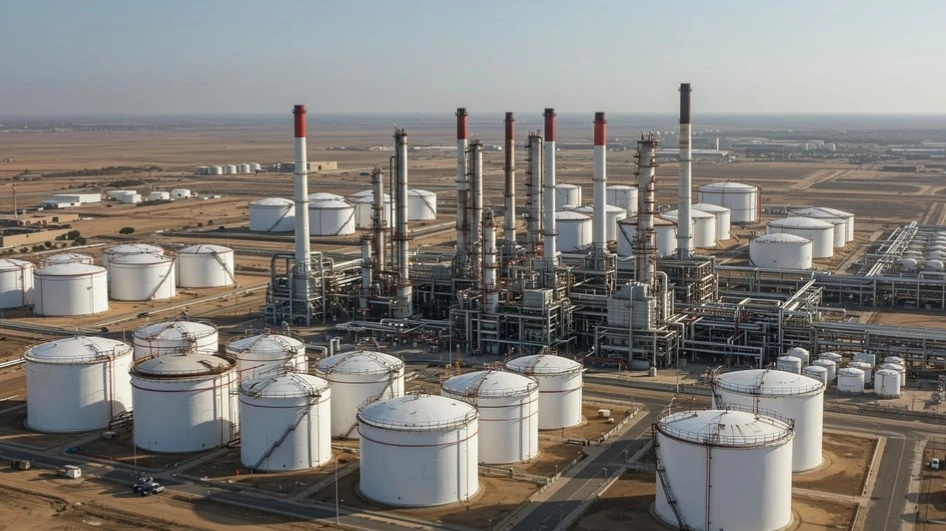
The International Economic Agency believes that demand for oil may begin to recover in the fourth quarter of 2026 / Photo: Shutterstock.com / Mereka Studio
The International Energy Agency has revised its forecast for year-end oil demand downward by approximately 50%. At the same time, the oil supply deficit is growing. Further declines in inventories are increasing risks for the market, while the situation surrounding the Strait of Hormuz remains uncertain, according to Bloomberg.
Details
On August 12, the IEA halved its forecast for the decline in global oil demand in 2026: the agency expects a reduction of 1.6 million barrels per day—510,000 more than it had projected a month earlier, according to the report. This will be the largest decline in average annual demand since 2020, Bloomberg reports. However, demand is expected to recover gradually throughout the year and return to growth in the fourth quarter, the IEA notes. In 2027, it expects consumption to grow by 2.4 million barrels per day.
The Chinese economy is helping to curb demand. According to IEA estimates, the expansion of the country’s electric vehicle fleet led to a reduction in demand of 1.5 million barrels of oil per day in the second quarter of 2026.
OPEC on Wednesday lowered its forecast for oil demand in 2026 to 580,000 barrels per day, Reuters reports, citing the organization’s monthly report. This marks the fourth consecutive downward revision to the forecast.
What Else Did the IEA Report?
The oil shortage in the third quarter of 2026 will be more than double the agency’s previous estimate, reaching 1.8 million barrels per day, according to an IEA report. The resumption of hostilities in the Middle East and disruptions to maritime transport are hindering the recovery of production in this crucial region.
At the same time, global oil production in July continued to recover from the lows reached during the war between Iran and the U.S. Global oil supply rose by 2.4 million barrels per day to 101.5 million, but remains 6.3 million barrels below the level of a year earlier. Increased production in Saudi Arabia, Iraq, Kuwait, and Iran helped boost supply, but it still remains below pre-conflict levels, according to the IEA report. At the same time, the agency believes that by 2027, supply could recover and exceed global demand by 4.6 million barrels per day.
The impact of supply disruptions has so far been mitigated thanks to alternative supply routes. Saudi Arabia and the UAE are using their oil pipelines to bypass the most vulnerable maritime routes, while “shuttle tankers” are operating in the Strait of Hormuz, Bloomberg notes. Over the past week, about 9 million barrels of oil per day have passed through the strait—nearly half of the pre-war volume, U.S. Energy Secretary Chris Wright said on August 11, according to CNBC.
Oil reserves are rapidly dwindling
The IEA warns of a rapid decline in available global oil reserves. The agency expects that member countries, including the United States, Japan, and Germany, will have to replenish their strategic reserves in the future following a record release of oil in March. Oil stocks in the U.S. Strategic Petroleum Reserve have reached their lowest level since 1983.
"Although the market is expected to return to a surplus by the end of this year, risks remain significant, and the need to open the Strait of Hormuz has increased as previously available buffer stocks are being rapidly depleted," the IEA report notes.
This article was AI-translated and verified by a human editor