Oil "Shuttles": UAE Proposes Covert Transit Through the Strait of Hormuz — Bloomberg

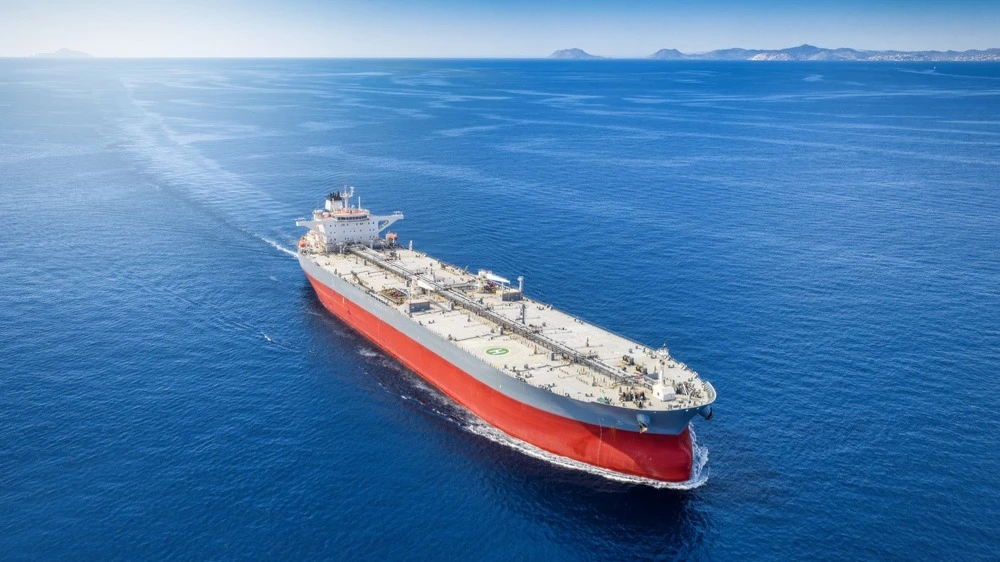
The prospects for the full reopening of the Strait of Hormuz remain uncertain / Photo: Sven Hansche / Shutterstock
The trading division of Abu Dhabi’s state-owned oil company has found a way to transport Iraqi oil through the Strait of Hormuz using “shuttle” vessels. The company is using a “shadow transit” tactic—one it has previously employed with its own crude—to route shipments to Asian refineries, sources told Bloomberg.
How It Works
According to Bloomberg, the UAE-based Abu Dhabi National Oil Co. (ADNOC) is more successful than other producers at shipping its oil out of the Persian Gulf through the Strait of Hormuz. It employs a so-called “shuttle” tactic: ships make short voyages, often with their transponders turned off to avoid detection, and then transfer the crude to other tankers once they are outside the Gulf.
In recent days, ADNOC has offered spot shipments to Asian buyers, using the same arrangement to transport oil from other Middle Eastern producers, primarily from Iraq, sources told the agency. According to them, Indian refiners were among those who received offers from the company.
The use of “shuttles”—a method employed not only by ADNOC but also by some other producers—has become an important means of transporting oil from the Gulf amid the ongoing conflict in Iran. Among other things, this has helped prevent global energy prices from rising even further.
Nevertheless, it is unusual for Middle Eastern countries to turn to their neighbors for help with exports, Bloomberg explains. Until now, the main shippers of Iraqi oil have been the trading house Vitol Group and the French oil giant TotalEnergies. However, ADNOC’s decision may have already yielded results, the agency notes. On Tuesday, Iraq’s state-owned oil marketing company, SOMO, announced that shipments this month had jumped to approximately 2 million barrels per day. Just last week, the country’s oil minister had cited a figure of 1.5–1.7 million barrels.
An ADNOC spokesperson told Bloomberg that the company does not comment on commercial matters. SOMO was unable to respond promptly to the agency’s inquiry.
Context
Recently, the U.S. and Iran have hardened their positions in negotiations over the opening of the Strait of Hormuz. And although on Tuesday the defense minister of Pakistan—the country acting as a mediator— stated that the parties are close to a compromise, oil prices remain elevated. Brent futures were trading at nearly $89 per barrel after a 12% surge over the previous five sessions. WTI futures exceeded $83 per barrel.
Attacks on ships are also putting pressure on the market: Bloomberg notes that last week, several ADNOC tankers came under attack while passing through the Strait of Hormuz, and on Tuesday, Iran-backed Yemeni Houthis struck a cargo ship in the Bab el-Mandeb Strait, a key alternative to the Strait of Hormuz. Six people were killed as a result.
Against the backdrop of yet another round of tensions in the region, offers from traders other than ADNOC have dropped significantly this month, the agency’s sources note. Until now, Iraq has sold its oil on a free-on-board (FOB) basis, outsourcing logistics to third-party companies, SOMO head Ali Nizar explained this week in an interview with a local television station. ADNOC, by contrast, has its own fleet and has recently expanded it. In addition, the company charters vessels from the Sinokor Group—the world’s largest owner of oil supertankers.
SOMO is offering substantial discounts to companies willing to take on the risks of transiting the Strait of Hormuz. For volumes shipped this month, prices have been reduced by as much as $30 per barrel below benchmark prices.
This article was AI-translated and verified by a human editor