The Iran conflict will add nearly $4 billion to ExxonMobil's quarterly profits
Shares of the oil giant jumped 3%

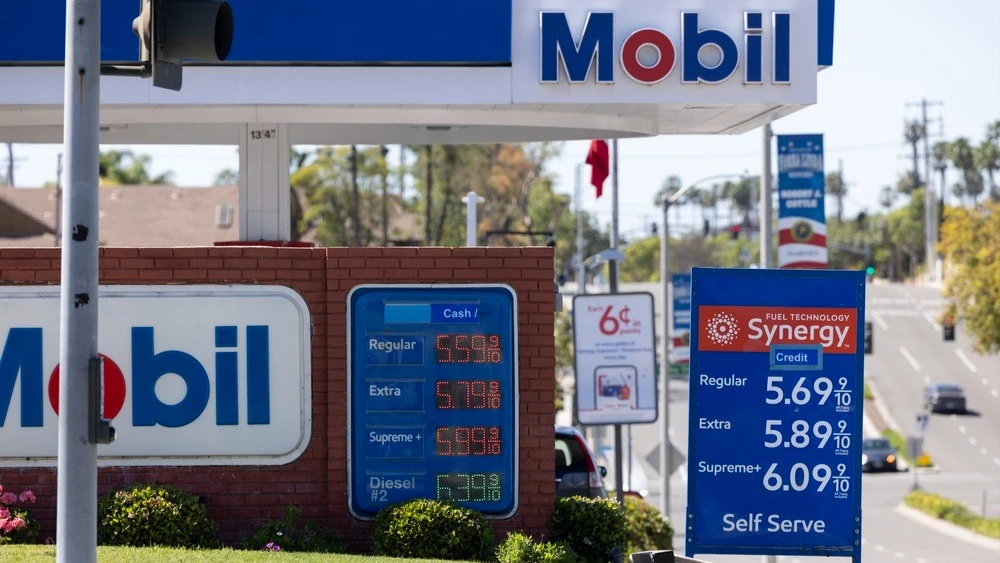
ExxonMobil's surge in profits may raise questions at the White House, which has called on oil companies to lower gas prices / Photo: Matt Gush/Shutterstock.com
U.S.-based ExxonMobil has warned investors that its second-quarter profits will surge sharply due to a spike in oil prices caused by the conflict surrounding Iran. Preliminary earnings data from the oil giant allow us to assess, even before the earnings season begins, what results to expect from its direct competitor, Chevron, and other supermajors.
Details
Rising oil prices brought Exxon between $3.5 billion and $3.9 billion in additional profits in April–June. Refining and petrochemicals contributed another $3.3 billion. Exxon noted that this positive effect was partially offset by losses of approximately $1.2 billion due to production disruptions in the Middle East. The company plans to release its full second-quarter financial results on July 31.
Exxon’s preliminary earnings data is of interest to investors, in part because it allows them to gauge how other oil companies will report their quarterly results, Reuters reports. Exxon warned that refining profits could rise by about $2.6 billion due to temporary effects. In the first quarter, the company recorded multibillion-dollar losses due to financial hedging related to supply disruptions. Exxon noted at the time that the loss was on paper and would turn into a profit as the oil was physically delivered in subsequent quarters.
Exxon shares jumped 3% in premarket trading on the New York Stock Exchange on July 8—investors reacted, in part, to the exchange of airstrikes between the U.S. and Iran, which threatened the June ceasefire, as well as U.S. President Donald Trump’s statement that the ceasefire with Iran was over.
Context
Exxon is the second supermajor to release preliminary quarterly figures: On July 7, Britain’s Shell reported strong results from its trading division. These high earnings suggest that other companies in the sector are also likely to report windfall profits. However, this success may prove short-lived: since their April peak of $125 per barrel, global oil prices have fallen by more than 35%, according to Bloomberg. During trading on July 8, oil prices jumped again—Brent is trading at nearly $79 per barrel, while WTI prices are approaching $75.
Despite rising profits, Exxon’s stock is now trading at a lower price than it was in late February, when the conflict with Iran began. The company is one of the few underperformers in the S&P 500’s oil and gas sector, where shares of refiners without their own production, U.S. shale companies, and pipeline operators have soared, according to Bloomberg.
What Wall Street Thinks About Exxon Stock
In early July, TD Cowen lowered its price target for Exxon shares from $172 to $155, but reaffirmed its “Buy” rating—even so, this is still above current market prices. The revision was part of its second-quarter preview. According to the investment bank’s analysts, the “rapid correction” in oil prices and stock prices following the signing of a memorandum of understanding between the U.S. and Iran has created “selective opportunities” in the sector. TD Cowen named Shell, Chevron, and TotalEnergies as its favorites ahead of the quarterly earnings season, according to Insider Monkey.
What's next?
Wall Street expects ExxonMobil and Chevron to report second-quarter profits more than three times higher than their January-March figures: Exxon — about $15.9 billion, Chevron — $9.9 billion. The American oil giants have not posted such earnings since 2022, according to Reuters.
At the same time, rising gasoline prices in the U.S. are hurting Trump’s approval ratings and playing into the Democrats’ hands ahead of the November congressional elections, the agency notes. Trump himself has demanded that oil companies lower prices from the current $3.85 to $2.50 per gallon, while U.S. Treasury Secretary Scott Bessent has threatened producers with administrative measures if prices do not fall.
Industry representatives defend themselves by stating that retail gasoline prices depend not only on the cost of oil (which has already returned to pre-war levels), but also on refining and logistics costs, as well as the level of taxes. Analysts at BMO Capital Markets expect oil companies to accelerate share buybacks in the second half of 2026, maintaining a post-pandemic focus on boosting shareholder returns rather than production.
This article was AI-translated and verified by a human editor