The obesity therapy market is changing. What smid-cap investors should know.
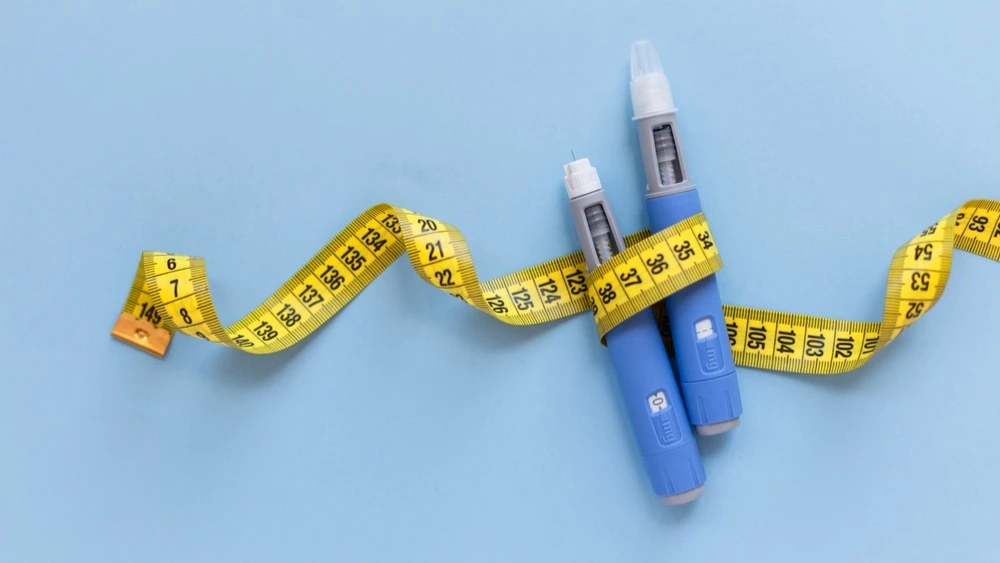
Forecasts for the expected size of the global market for obesity treatments have dropped about 30% to $100 billion by 2030, Noble Capital Markets writes / Photo: Shutterstock.com
“The enemy of my enemy is my friend,” points out Ilya Zubkov, Freedom Broker senior equity analyst, describing the situation that has unfolded this year between Danish pharmaceutical giant Novo Nordisk and telehealth platform and online pharmacy operator Hims & Hers Health. The “enemies” are Novo Nordisk and its U.S. rival Eli Lilly, which have been competing for leadership in the obesity drug market for several years. Their rivalry has spilled over beyond the pharmaceutical sector, now affecting companies like Hims & Hers Health. Overall, the weight-loss drug market is beginning to shift. Which small caps should investors watch?
Pills changing the game
The first obesity drug – injectable Wegovy, based on a GLP-1 receptor agonist – was brought to market in 2021 by the Danish company. In just three years – from 2021 to 2023 – its net sales surged nearly 23-fold to DKK31.3 billion (about $4.6 billion). Novo Nordisk became Europe’s most valuable company, with a market capitalization exceeding the size of Denmark’s entire economy.
But by November 2023, Eli Lilly had registered its own obesity drug, Zepbound. By March of the following year, it had overtaken Wegovy in sales – driven by greater weight-loss efficacy.
Since their launch, Wegovy and Zepbound have reshaped expectations around weight loss, according to Noble Capital Markets. Their use has been acknowledged by such figures as Elon Musk and Oprah Winfrey. Analysts projected that the global obesity drug market would reach $150-200 billion by 2030, Noble added. But unprecedented demand quickly ran into supply constraints, limited insurance coverage, and high prices.
This gap created an opportunity for compounded versions of GLP-1 drugs, Noble said. These are analogs of original medications, prepared in pharmacies based on individual prescriptions. U.S. law permits this in certain cases, including when approved drugs are in short supply. Wegovy was placed on that list in 2022. Hims & Hers Health and other companies took advantage of this opening, offering their own alternatives.
In February 2025, Wegovy was removed from the shortage list. Formally, from that point, pharmacies and companies – including Hims & Hers – were expected to stop producing copies. But that did not happen. By mid-to-late 2025, compounded versions accounted for roughly 25-35% of the U.S. GLP-1 market, said Freedom Capital Markets senior analyst Keith Hinton. According to Novo Nordisk, up to 1.5 million Americans are using non-original GLP-1 drugs, Noble noted. Until recently, Novo Nordisk and Eli Lilly had been fighting their manufacturers in courts.
This year, the confrontation between the two pharma giants entered a new phase. At the end of December, the U.S. Food and Drug Administration approved Wegovy in pill form, and early this year the Danish company launched it commercially. This marked the beginning of changes in the obesity drug market, where another factor – ease of use – was added to efficacy, Zubkov said.
Hims & Hers followed the strategy. In early February, it announced it would launch a copy of the Wegovy pill at roughly half the price (the announcement page is no longer available on the company’s website), and three days later said it would discontinue it. The trigger was a statement from the U.S. FDA, which pledged to take decisive action against GLP-1 copies. At the same time, Novo Nordisk announced a lawsuit against Hims & Hers. In a single day, shares of the telehealth platform plunged more than 20%.
A month later, on March 9, the situation changed dramatically: the online service announced a truce with the Danish company and the return of its drugs – Wegovy and diabetes treatment Ozempic – to its platform. While analogs will remain in the company’s offering, it will no longer advertise them and will offer patients to transition to original drugs.
Hims & Hers benefited the most from the partnership, as it significantly reduced its main risk – regulatory – Zubkov said. A month earlier, investors had begun pricing in a scenario in which sales of cheap GLP-1 copies would be completely banned, pushing the company’s shares down roughly 75% from December highs, he explained. This was particularly painful, since the main growth driver for the telehealth platform in recent years was the sale of obesity drugs.
Leerink analyst Michael Cherny called the news of renewed cooperation between Hims and Novo “both a surprise and an unabashed positive for HIMS' stock,” Reuters reported. He said the deal suggests Novo Nordisk is expanding its distribution network, and Hims & Hers’ broad consumer reach makes it an attractive sales channel once legal hurdles are removed.
The news of the agreement sent the platform’s shares up 40%. Investment banks BofA Securities and Barclays raised their target prices, while Needham upgraded the stock to “buy.” After the sharp decline, investors should expect high volatility in the near term, Zubkov said.
Against this backdrop, he also advises investors to look at shares of Hims & Hers’ competitor, telehealth platform LifeMD. It partnered with Novo Nordisk in mid-2025 and expanded the agreement in January by beginning to sell Wegovy pills. This is expected to support growth in active patients, Zubkov said.
Market backdrop and outlook
The story of Novo Nordisk and Hims & Hers Health shows that companies are willing to actively defend and strengthen their market positions through strategic moves and compromises, Zubkov said.
Novo Nordisk is under pressure in the competitive obesity drug market, with Eli Lilly drawing patients with its competing drug Zepbound. The Danish manufacturer has been taking increasingly active steps to maintain its position in the segment, Zubkov said.
For now, Novo Nordisk has an edge with the Wegovy pill, although Eli Lilly is also working on a drug in the same format. While such medications are less effective than injectable versions, they are more convenient to use, the Freedom Broker analyst explained. He believes that in the near term, it is precisely this combination – ease of use alongside acceptable efficacy – that will drive the market.
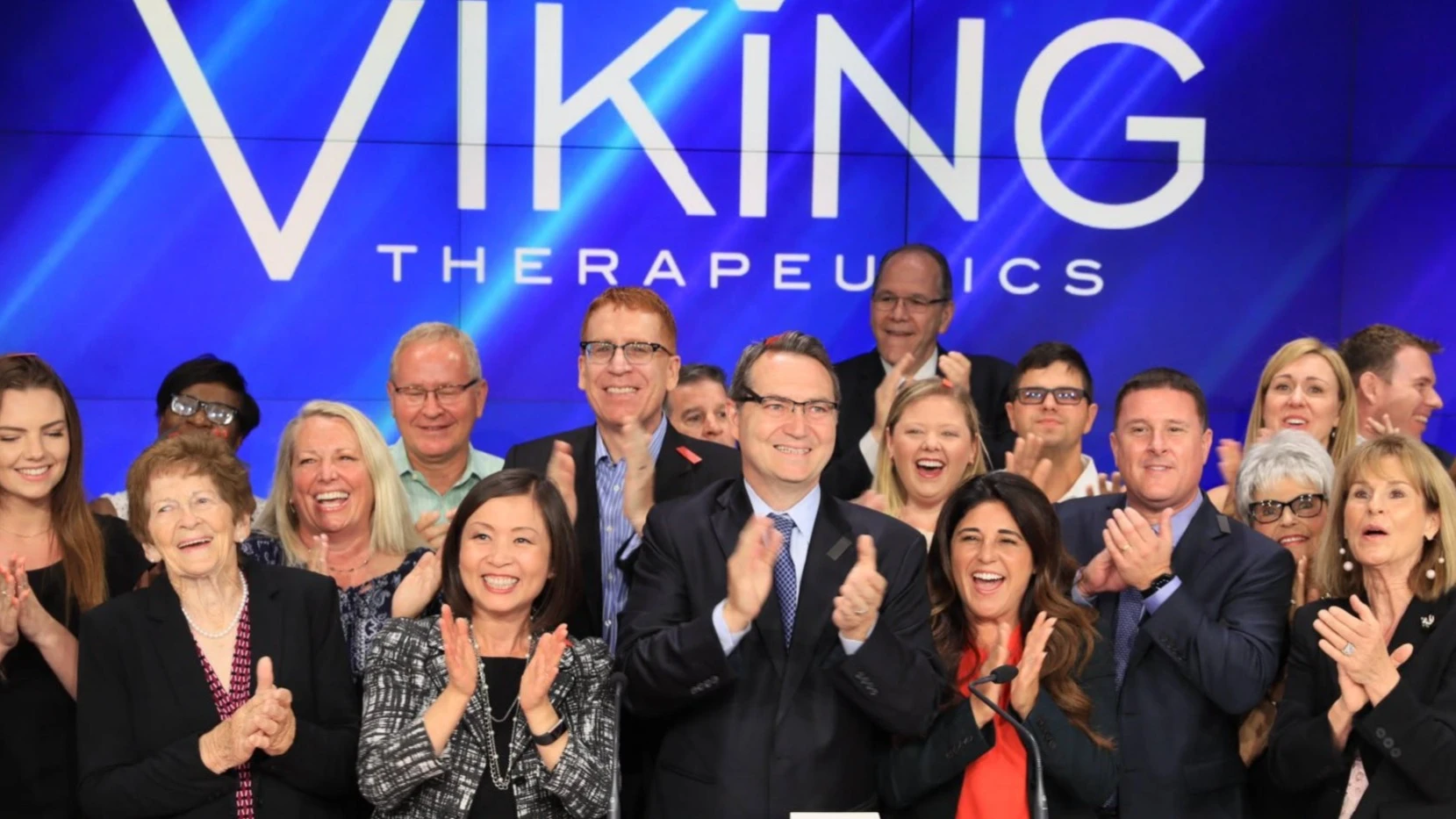
By the end of the decade, the market could see the first serious challengers to Novo Nordisk and Eli Lilly. A number of companies are developing treatments in this space – from pharma giants Pfizer and Amgen to smaller players like Viking Therapeutics and Structure Therapeutics.
Each has its own advantages, Zubkov said. Viking’s candidate shows very rapid weight loss in patients, while interim data from Structure point to a milder side-effect profile. For now, they remain in early-stage trials, with late-stage results expected around 2027, the Freedom Broker analyst noted.
Against this backdrop, forecasts for the global obesity drug market have been cut by about 30% – to roughly $100 billion by 2030, while the previous $150 billion estimate is now expected by analysts only in 2035, Noble wrote. “That $150 billion pie is gone, even if you’re very bullish on volumes.”
For investors, the GLP-1 market is entering a new phase in which growth remains substantial, but profitability and timelines are less certain than they appeared just a year ago, Noble noted.
“The obesity drug boom is real. But as the fight between Novo Nordisk, Hims & Hers, and regulators shows, the path forward will be shaped as much by courts and policymakers as by science and demand,” Noble concluded.