The wave of attacks by Iran and the U.S. on ships near the Strait of Hormuz has reached its peak since the start of the war
Tehran plans to significantly expand the restricted zone—beyond the strait

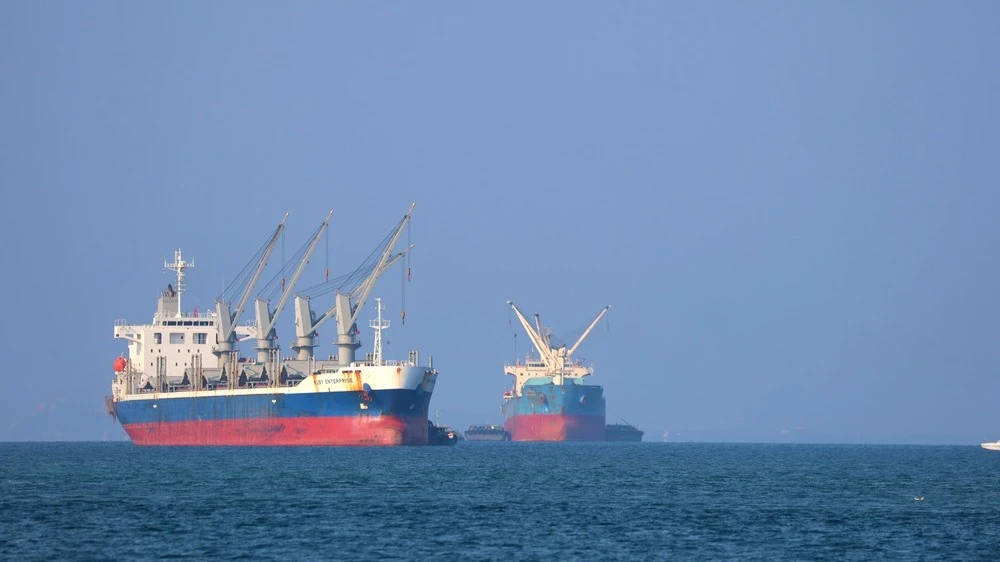
Iran will expand the scope of sanctions against ships passing through the Strait of Hormuz / Photo: somkanae sawatdina/Shutterstock.com
Iran announced on Wednesday that it had attacked ten ships near the Strait of Hormuz—after the U.S. reported that it had sunk five Iranian tankers, according to Reuters. The agency calls this the largest wave of reciprocal strikes against shipping since the two countries went to war in late February. Due to the escalating situation, Brent crude oil futures rose by about 3% on Wednesday, September 9, to $100.8 per barrel.
Details
Iran also claims to have launched ballistic missiles at a U.S. military base in Jordan, according to Reuters. In addition, Tehran wants to expand the exclusion zone beyond the Strait of Hormuz and extend it eastward—to part of the Gulf of Oman and the Arabian Sea, a spokesperson for the Islamic Revolutionary Guard Corps (IRGC) said in a statement carried by the Mizan news agency. Iran will soon release maps showing the new zone, Reuters added.
The Strait of Hormuz remains a focal point for military measures, while the expanded maritime zone is being established specifically to impose economic and service restrictions, the IRGC spokesperson added. Ships entering this area without Iran’s permission will be denied access to insurance, port services, and other services related to transit through the strait, he asserted.
Context
Mutual attacks between Iran and the U.S. resumed in late August, following a month of relative calm, according to Reuters. Military targets, energy facilities, and ships are being struck. In recent days, there has also been an escalation of attacks by Yemeni Houthis on Saudi Arabia—a second theater of war threatening global energy supplies from the Middle East, Reuters notes.
This article was AI-translated and verified by a human editor