The Saudis announced that they had intercepted new missiles. Riyadh promises stable oil supplies
The CEOs of BP and Shell declined to attend the oil conference in Riyadh following attacks on airports that claimed the lives of at least 14 people

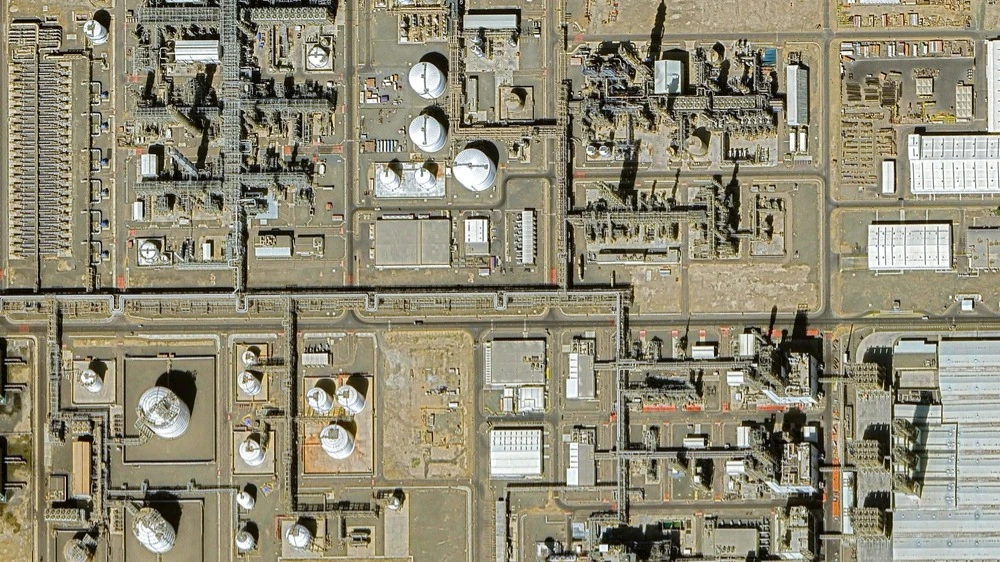
The attack on Riyadh Airport over the weekend was the deadliest incident in Saudi Arabia since the war began in February / Photo: Shutterstock.com
The Saudi-led military coalition, which is fighting the Houthis, said that on the night of October 12, it intercepted missiles and drones targeting the kingdom, including areas where some of the country’s key oil and gas facilities are located, according to Bloomberg.
The Saudi Civil Aviation Authority reported that late Sunday evening, an unidentified projectile struck King Khalid International Airport in Riyadh, killing one person and injuring 11 others. This followed an attack on the capital’s main airport on Saturday, which killed at least 13 people and injured more than 300. This attack was the deadliest single incident in Saudi Arabia since the start of the U.S.- and Israeli-led war against Iran in February. Authorities reported that among the dead were four Saudi Arabian citizens, one Palestinian, two Bangladeshi citizens, and one person each from the United States, Egypt, India, Jordan, Syria, and Sudan. King Fahd International Airport in Dammam was also targeted in a separate strike.
The coalition called Saturday's attack on the airport a "cowardly act of terrorism" and a "full-fledged war crime" and promised a "decisive" response.
How the market is reacting
Brent crude oil in London fell to about $104 per barrel on Monday after a morning spike to $105.6. Traders weighed the stability of supplies from the Middle East against rising regional tensions and U.S. statements that Russia and Ukraine had agreed to a ceasefire on energy issues, according to Bloomberg.
Energy Minister Prince Abdulaziz bin Salman, speaking to oil industry leaders at the opening of the World Petroleum Congress in Riyadh, stated that the kingdom remains committed to ensuring energy security. “We are fulfilling our commitments and are determined to carry them out regardless of the circumstances, and no one will be able to break our resolve,” he said.
Some industry leaders, including the CEOs of BP and Shell, declined to attend the conference. The organizers stated that the event, like the Future Investment Initiative conference scheduled for late October, will proceed as planned with enhanced security measures.
In September, Saudi Arabia resumed operations on the East-West oil pipeline, and throughput rose to more than 80% of its capacity. The state-owned company Saudi Aramco increased crude oil shipments through the Strait of Hormuz, bringing total oil exports in September close to pre-war levels.
Nevertheless, the country’s oil facilities, including refineries and the port on the Red Sea coast, continue to come under attack. The kingdom’s main transcontinental oil pipeline, which became the primary route for delivering oil to the market during the war with Iran, was damaged last month.
This article was AI-translated and verified by a human editor