The Trump administration is preparing new tariffs on semiconductor imports. Why is it doing this?

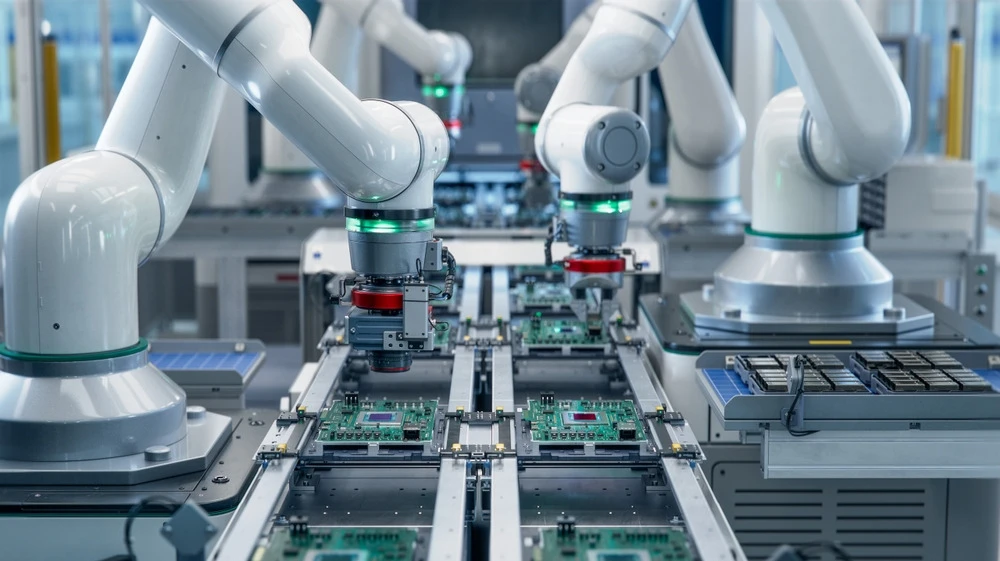
The new tariffs could affect chipmakers that have not invested in semiconductor production in the U.S. / Photo: IM Imagery / Shutterstock.com
The Trump administration is considering imposing new tariffs on semiconductor imports into the U.S., Commerce Secretary Howard Latnik said on CNBC on the sidelines of a G20 ministerial meeting on innovation.
The imposition of tariffs could tighten trade restrictions on foreign chips and encourage companies to relocate production to the U.S., Bloomberg explains. At the same time, companies that invest in U.S. manufacturing will receive incentives, according to the Secretary of Commerce. The administration intends to use an approach similar to the one it applied in the pharmaceutical industry, the minister emphasized.
“This is exactly what we should expect in the semiconductor industry: if you build a manufacturing facility in the U.S., we’ll grant you a tariff exemption; if you don’t, you’ll have to pay tariffs,” Latnik said. “It’s a perfectly reasonable approach, and it works.”
U.S. President Donald Trump has already imposed 25% tariffs on certain advanced semiconductors. These measures were adopted in January following an investigation by the U.S. Department of Commerce into chip imports: the agency concluded that the U.S. is overly dependent on foreign chip supplies. According to the department, the country produces only about 10% of the semiconductors it needs, which poses risks to the economy and national security.
However, a new round of tariffs could extend not only to semiconductors themselves, but also to products containing them—including imported data-center servers and consumer electronics, according to Bloomberg.
Critics of such an initiative have previously warned that additional tariffs could increase the cost of building data centers in the U.S., Bloomberg notes. However, Latnik believes the problem can be solved by exempting companies that establish domestic semiconductor manufacturing from tariffs. According to him, companies have already committed to investing about $1.2 trillion in semiconductor manufacturing in the U.S. Among them are Taiwan Semiconductor Manufacturing Co. and Micron Technology, which are investing in U.S. manufacturing facilities.
Part of these investments is linked to the trade agreement between the U.S. and Taiwan, which was finalized this year, Bloomberg explains. Under the agreement, Taiwan pledged approximately $500 billion in investments and loan guarantees to support high-tech manufacturing in the U.S. Latnik also said that next week, Taiwan will announce a new round of investment commitments totaling another $20–30 billion.
This article was AI-translated and verified by a human editor