Uber will cut 10% of its workforce—its largest round of layoffs since the pandemic began

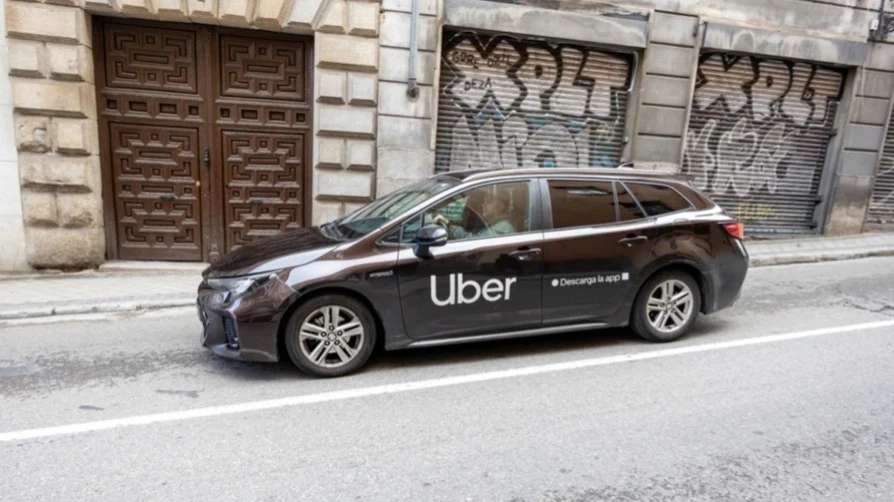
Uber Will Cut 10% of Its Workforce / Photo: Azulblue/Shutterstock.com
Uber will cut about 3,300 jobs, or 10% of its global workforce, as part of a major restructuring. The company expects that by cutting costs, it will be able to increase investment in transportation, delivery, and the development of robotaxis. The company’s stock rose 2% on September 2 following this news.
Details
Uber CEO Dara Khosrowshahi stated in a letter to employees that the restructuring will allow the company to “save money,” which it intends to reinvest in “growth, innovation, and key business areas in the coming years.” The letter from Uber’s CEO has been cited by Bloomberg, CNBC, and Reuters, among others.
As part of the announced layoffs, Uber will reduce its number of managers by 20%, with some of them being reassigned to non-managerial roles. The letter does not specify exactly how many people will be laid off or will have to leave the company. Uber will also nearly halve the number of “micro-teams” consisting of one or two people and consolidate the three operational teams responsible for restaurants, retail, and delivery services under its own brand.
Uber plans to allocate the savings, in particular, to drivers, delivery drivers, and salespeople, as well as to the growth of its core business and the creation of an “autonomous future,” Khosrowshahi said.
Uber has avoided large-scale layoffs since the start of the pandemic, Bloomberg notes. The Financial Times also points out that the company’s current round of layoffs is the largest since the start of the COVID-19 pandemic. Following the layoffs announced on September 2, the company’s workforce is set to shrink to just under 30,000 employees—that is, roughly to 2021 levels, the agency reports.
Although Khosrovshahi did not mention AI in the restructuring announcement, Bloomberg notes that the changes are also linked to the company’s desire to make more effective use of this technology in day-to-day operations to reduce costs. In addition, Uber is tightening its requirements for in-office work: going forward, only about 1% of employees will be able to work remotely.
Context
In recent months, Uber has been expanding its partnerships in the field of autonomous transportation. Among the deals the company has struck are a partnership with Lucid Motors to supply 20,000 robotaxis, a deal with Nvidia to use its software in 100,000 vehicles, and a partnership with Amazon’s subsidiary Zoox to begin operating the company’s robotaxis in the U.S. this year. In March 2026, Uber also signed a $1.25 billion deal with Rivian to create a fleet of 50,000 driverless robotaxis.
What about the stocks?
Despite the rise on September 2, Uber's stock price has fallen by more than 6% since the beginning of the year (pressure on the stock is coming, among other things, from competition with Waymo). Nevertheless, Wall Street analysts are generally positive about the company’s outlook: according to MarketWatch, 47 out of 55 analysts who cover Uber recommend buying its stock, seven more are neutral, and only one analyst recommends selling. The average target price for Uber shares is $102.5, which implies a 36% increase from the closing price on September 1.
This article was AI-translated and verified by a human editor