The U.S. airline market is rebounding following the drop in oil prices. What will happen to ticket prices?
Airline stocks have finally recovered all the losses they suffered during the pandemic. But passengers shouldn't expect airfare to get any cheaper

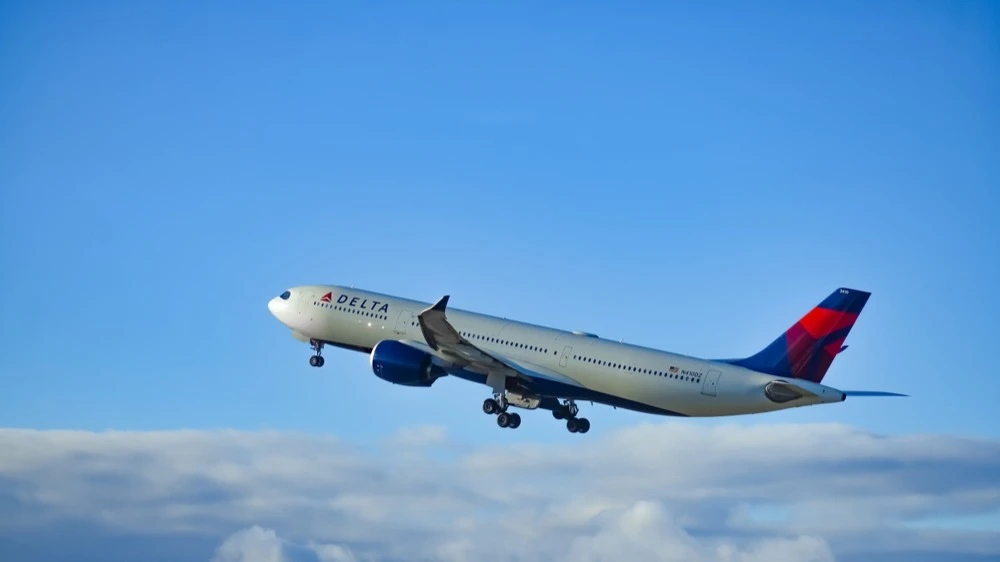
It took the U.S. aviation industry six years to recover from the COVID-19 restrictions. Photo: Jon Tetzlaff/Shutterstock
The US Global Jets ETF, a key barometer of the U.S. aviation industry, has rebounded from pandemic-related losses after six years. Progress in peace talks between the U.S. and Iran has pushed oil prices down and eased pressure on carriers’ profitability, according to Bloomberg. At the same time, passengers have not yet felt the benefits of the industry’s recovery: ticket prices remain high.
Details
The US Global Jets ETF (JETS), a sector-specific exchange-traded fund, rose 1.5% at the close of trading on June 25, reaching its highest level since September 2018. Since the beginning of 2026, the fund—which holds shares in the largest airlines—has gained 17%, significantly outperforming the S&P 500 Index (+7.5%). However, the sector’s performance looks modest in the medium term: since the end of 2019, JETS has risen by only 4.7%, while the S&P 500 soared 128% over the same period, according to Bloomberg.
Bloomberg notes that the U.S. aviation industry’s road to recovery from COVID-19 restrictions took six years and was marked by significant macroeconomic shocks. From its peak in January 2020 to its pandemic low, the JETS fund plummeted by 63%. Even after lockdowns were lifted, it took the sector years to see the return of business travelers—the segment with the highest margins for airlines.
Bloomberg notes that JETS’s current strength in the market is primarily attributed to a short-term factor—the drop in WTI crude oil prices below $75 per barrel amid emerging progress in peace talks between the U.S. and Iran. Jet fuel remains one of the main expense items for airlines. Previously, a sharp rise in fuel costs due to geopolitical tensions in the Middle East forced companies to aggressively defend their margins by: raising ticket prices, optimizing their route networks, increasing baggage fees, and phasing out old, inefficient aircraft.
What People Are Saying in the Market
Of all sectors in the travel industry, airlines are the most dependent on energy prices, which is why falling oil prices offer them the greatest potential for margin growth, notes eToro investment analyst Bret Kenwell.
Nevertheless, given the cyclical nature of the airline industry, a number of experts are urging caution and cautioning against overestimating the emerging positive trend, according to Bloomberg. Consumer sentiment in the U.S., despite a slight upward trend, remains near historic lows. According to Mark Malek, chief investment officer at Muriel Siebert & Co., Americans continue to face significant financial pressure: their savings are depleted, credit card debt is rising, and nominal prices for goods and services remain high.
"I'm concerned that consumers are currently teetering on the edge and could cut back on spending at any moment," warns Malek.
These concerns are also borne out by the actions of the airlines themselves: During the previous reporting season, major U.S. carriers, including United Airlines and American Airlines, had already lowered their annual forecasts due to a spike in fuel prices caused by the escalation in the Middle East. Delta Air Lines will provide a new picture of the sector for the second quarter in its earnings report on July 10, according to Bloomberg.
That said, there are still areas of growth in the industry—in particular, steady demand for the premium segment. In early June, executives at Delta and JetBlue Airways reported that, despite economic pressures, passengers are willing to pay extra for business-class services and more expensive seats on flights. United CEO Scott Kirby also confirmed that affluent customers are not giving up on flying, despite an average price increase of 20% this year.
The sector is receiving additional support from the exit of low-cost carrier Spirit Aviation from the market: the freed-up demand is being redistributed among the remaining players, and the reduction in excess capacity is allowing airlines to keep fares high. Combined with lower fuel prices, this should support carriers’ margins during the peak summer season, according to Bloomberg.
“Against the backdrop of oil prices pulling back from their highs and some schedule optimization for the third quarter, we expect strong financial results from the sector,” summarizes Bloomberg Intelligence analyst George Ferguson. He expects this positive trend to be reflected in the forecasts of airlines, which will begin releasing their financial reports in the coming weeks.
What about ticket prices?
Although the fuel crisis is subsiding, airlines are in no hurry to pass on their savings to ticket prices, as they seek to recoup past costs, according to Bloomberg. For example, the average cost of domestic flights in the U.S. from late June through late August remains 15% higher than during the same period in 2025, notes Cathie Nastro, a spokesperson for the budget flight tracking service Going. In her view, as long as consumer demand for flights remains high, airlines have no incentive to lower prices.
At the same time, demand for air travel in the U.S. has remained highly resilient even amid high prices, Nastro points out. This was driven by a massive influx of tourists linked to the World Cup and the celebration of the 250th anniversary of the founding of the United States, according to Bloomberg.
In the long term, prices are likely to fall if and when demand for air travel begins to cool, according to Henry Hartveldt, an aviation industry analyst at Atmosphere Research Group. However, as past price shocks have shown, even after a decline, the lowest fares are unlikely to return to pre-war levels, Bloomberg notes.
Richard Abulafia, an aviation analyst and managing director at AeroDynamic Advisory, noted in an interview with Business Insider that the shortage of seating capacity, combined with steady demand, leaves airlines with little incentive to adjust their pricing policies: “Business is going well. Traffic may have dropped slightly, but profits haven’t. So why lower prices? Inflation is a great excuse to strengthen market power.”
The heads of the largest airlines agree with analysts’ forecasts, Business Insider reports. They confirm that high demand, limited market capacity, and strong pricing power will keep prices elevated even if oil prices continue to fall.
“We and our competitors are focused on stable financial results and sustainable margins. Under these circumstances, we certainly do not plan to reverse our recent price increases,” Southwest CEO Bob Jordan said in May at the Bernstein Strategic Decisions conference (as quoted by Business Insider).
This article was AI-translated and verified by a human editor