The U.S. has restricted imports of humanoid robots. Which companies will be affected by this?
The Trump administration is seeking to protect the artificial intelligence sector from threats posed by China

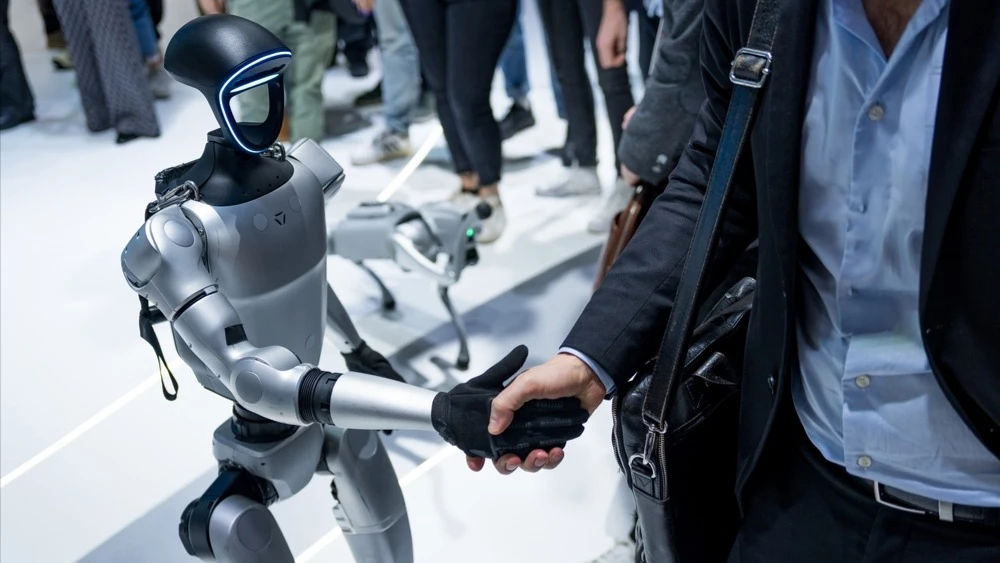
The Chinese company Unitree controls nearly 20% of the global humanoid robot market / Photo: Shutterstock.com
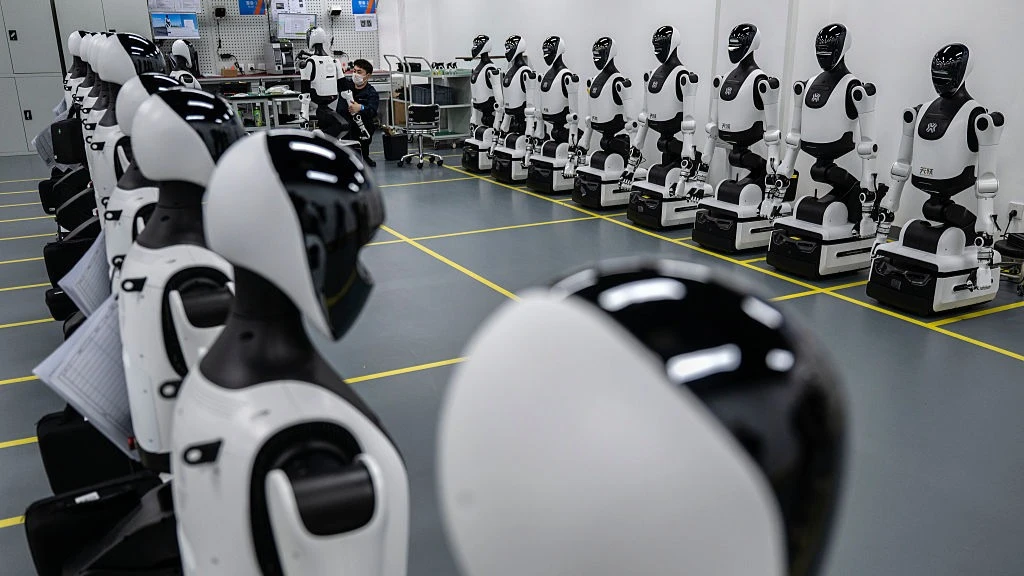
The Donald Trump administration has imposed restrictions on imports of robotics and power grid equipment. The measures, announced by the Federal Communications Commission (FCC), include a ban on the import of humanoid and quadrupedal robots, as well as inverters used to connect renewable energy facilities and energy storage systems to power grids and data center equipment.
These foreign-made products pose risks to U.S. national security “regardless of their country of origin,” according to the FCC statement. However, the regulator will likely exempt most non-Chinese suppliers from the restrictions—similar to what was done with the recent bans on foreign drones and routers, according to Reuters, which was the first to report on the upcoming measures.
The restrictions will apply only to models that have not yet gone on sale.
Context
These actions indicate that the Trump administration is seeking to protect the U.S. artificial intelligence supply chain from threats posed by China, including intellectual property theft and cyberattacks, Reuters notes.
The U.S. is also trying to avoid a repeat of the situation that occurred with rare earth minerals—key components for high-tech manufacturing. Beijing has used its dominance in this sector as leverage in international negotiations.
Who Will Be Affected by the New Sanctions?
The ban on robots is expected to hit Unitree the hardest, according to Reuters. According to Counterpoint Research, the company is one of the global industry leaders, controlling nearly 20% of the humanoid robot market. The Pentagon recently added the company to a list of organizations allegedly linked to the Chinese military. Unitree had previously entered into a partnership with Nvidia to use Blackwell chips as the “brains” for its robots. Nvidia has stated that data from these devices will be stored in the U.S., and Unitree’s main clients are American universities and research centers.
The ban will also affect Sungrow Power Supply and Huawei, China’s largest manufacturers of inverters—equipment needed to connect renewable energy sources and batteries to power grids and data centers, according to Reuters. China is currently the world’s leading manufacturer of inverters and is actively increasing its market share in Western markets thanks to its low prices.
Unitree, Sungrow, and Huawei did not respond to requests for comment.

This article was AI-translated and verified by a human editor