Top Stories This Morning: $800 Billion Plunge in Big Tech Stocks, New U.S. Tariffs, and Trump’s Threats Against Iran

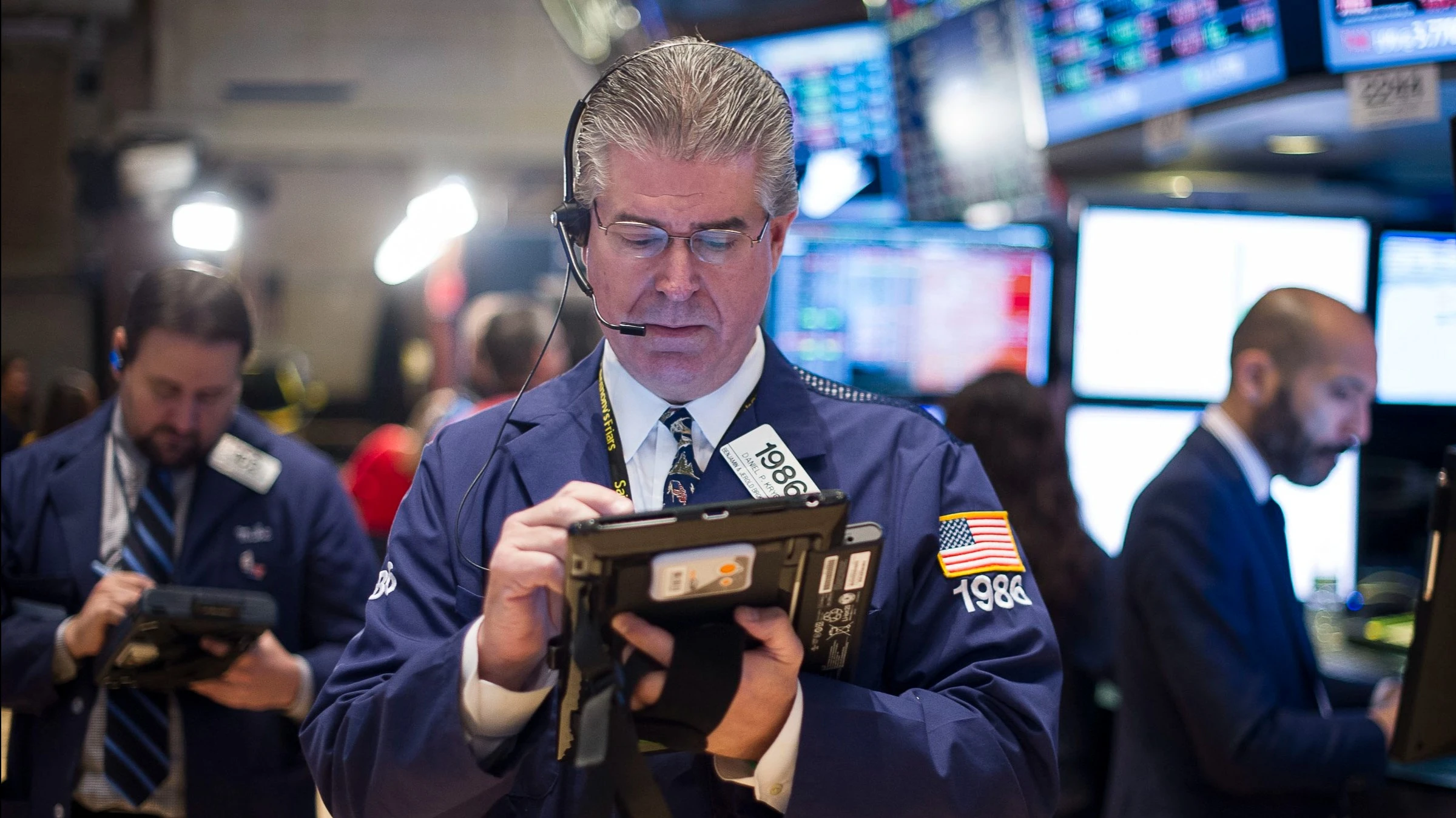
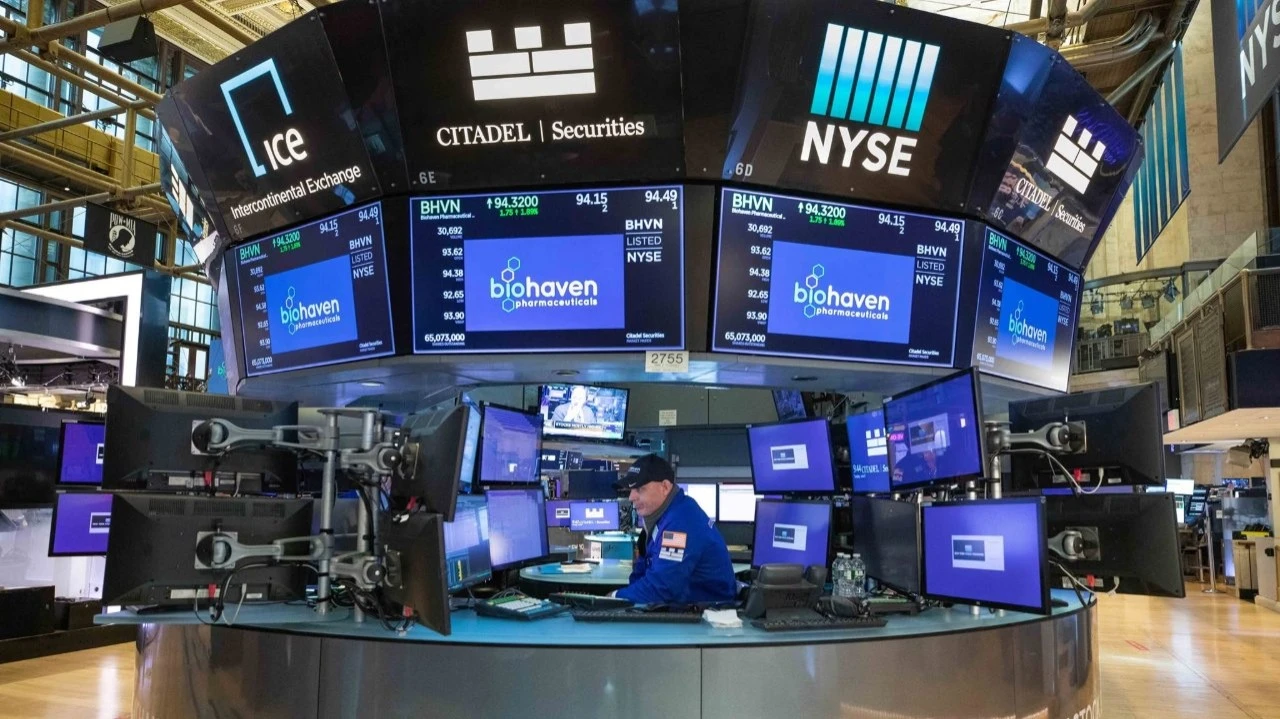
The market capitalization of the "Magnificent Seven" tech giants fell by $797 billion yesterday / Photo: X / NYSE
Shares of major U.S. tech companies plummeted following earnings reports from Alphabet and Tesla: investors are increasingly concerned about rapidly rising AI development costs. The U.S. imposed new tariffs on imports from its 60 largest trading partners, citing the results of an investigation into goods produced using forced labor. Read about these and other topics in our roundup of key events as of the morning of July 24.
Big Tech stocks fell amid rising AI costs
Shares of the largest U.S. tech companies plummeted following earnings reports from Alphabet and Tesla, which heightened investors’ concerns about the rapid rise in artificial intelligence spending, according to Bloomberg. The “Magnificent Seven” index lost 4.8% the previous day, and the companies’ combined market capitalization fell by nearly $800 billion. The escalating conflict between the U.S. and Iran and rising oil prices put additional pressure on the market.
Alphabet raised its capital expenditure forecast for 2026 to $205 billion, while Tesla warned that next year will be a period of record investment. Against this backdrop, Tesla shares fell 15%, Alphabet shares dropped 7%, and Microsoft, Amazon, and Meta also saw their shares decline. Analysts note that investors are increasingly skeptical about whether large-scale investments in AI will deliver the expected returns.
The U.S. has imposed new tariffs on 60 trading partners
The U.S. has imposed new tariffs ranging from 10% to 12.5% on imports from its 60 largest trading partners, citing these countries’ insufficient efforts to combat goods produced using forced labor, according to CNBC. Australia, Brazil, Chile, Canada, and New Zealand have rejected Washington’s justification, but so far none of them has announced retaliatory measures.
Australia and Brazil called the tariffs unjustified, Chile stated that the U.S. investigation did not contain any allegations regarding the export of goods produced using forced labor, and Canada and New Zealand also expressed their disagreement with Washington’s conclusions. The Peterson Institute for International Economics believes that the investigation has become a means of reinstating a tariff regime that had previously been ruled unlawful by the U.S. Supreme Court.
Trump Proposed Compensating the Courts for Damages Using Iran's Frozen Assets
U.S. President Donald Trump stated that damages to ships, cargo, and related property resulting from the latest attacks by Yemeni Houthis will be compensated using frozen Iranian assets under U.S. control, according to Bloomberg. However, he did not specify exactly how this mechanism would work or whether shipping companies would receive the payments directly.
The statement came amid a new escalation between the U.S. and Iran following attacks by Tehran-backed Houthis on two Saudi oil tankers in the Red Sea, the agency notes. It is estimated that the U.S. controls about $2 billion in Iranian funds, while another $24 billion to more than $100 billion is frozen in other countries due to U.S. sanctions.

Patreon will lay off 20% of its staff
Patreon will cut 20% of its workforce, or 93 employees, CEO Jack Conte announced, according to TechCrunch. He said the company’s core business remains stable, but it needs to adapt its cost structure and operations to changes in the market. He emphasized, however, that the layoffs are not related to replacing people with artificial intelligence.
Conte noted that AI has radically transformed the tech industry and the way products are developed, which is why Patreon is restructuring its management and reorganizing its teams. Laid-off employees will receive at least 16 weeks of severance pay, an additional week of pay for each year of service, health insurance through the end of the year, and $1,500 in compensation for a company laptop.
What's Happening in the Markets
— Japan's broad-based Topix index fell 1.2%, while the Nikkei 225 fell 2.9%.
— Hong Kong's Hang Seng Index fell 1.2%, while mainland China's CSI 300 Index fell 0.7%.
— In South Korea, the KOSPI fell 5.3%, and the KOSDAQ fell 4.7%.
— Australia's S&P/ASX 200 was down 0.8%.
— Nasdaq Composite futures fell 0.2, S&P 500 futures were virtually unchanged, and Dow Jones Industrial Average futures fell 0.1%.
This article was AI-translated and verified by a human editor