Kevin Warsh has taken office as head of the US Federal Reserve System. What to expect from the regulator now?

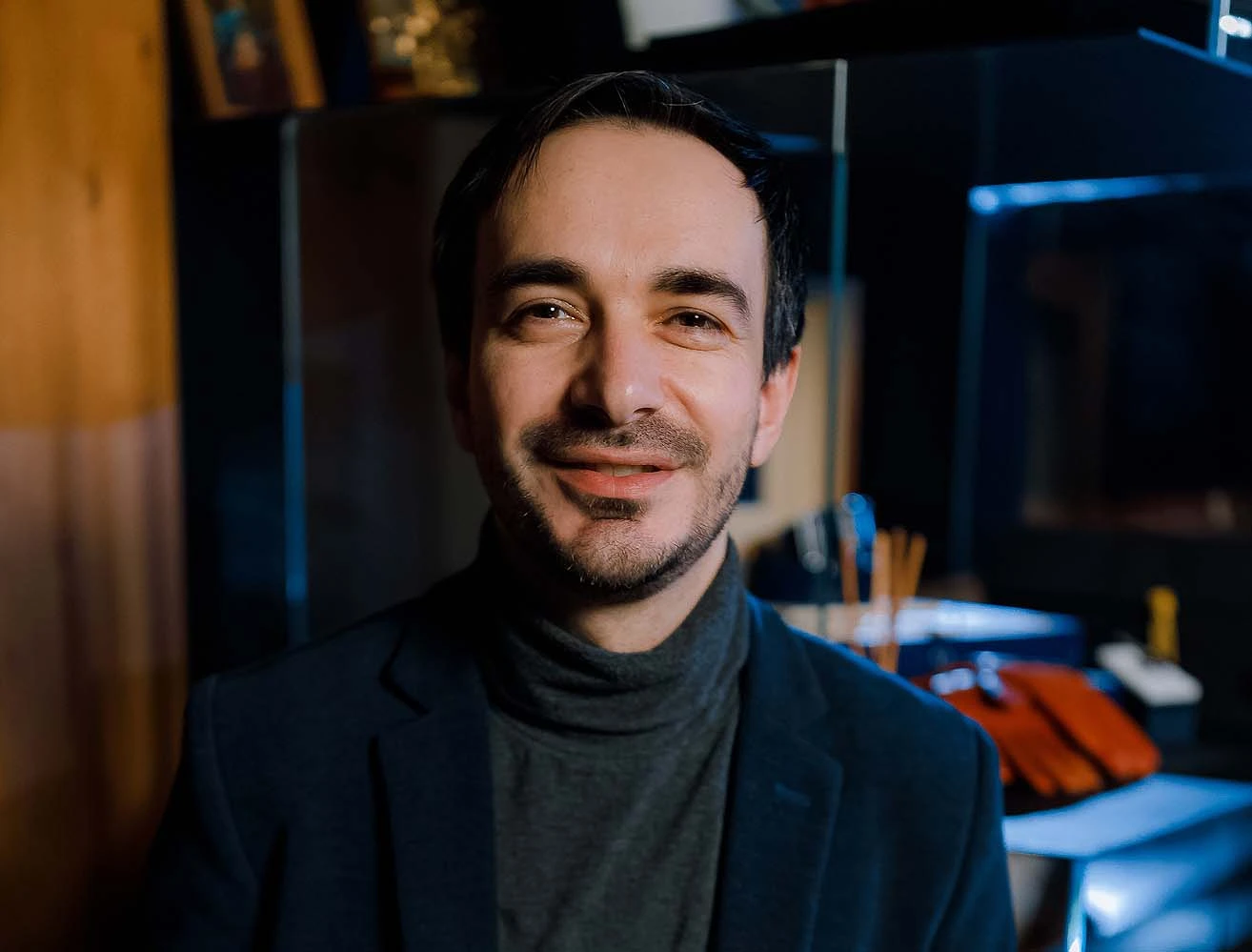
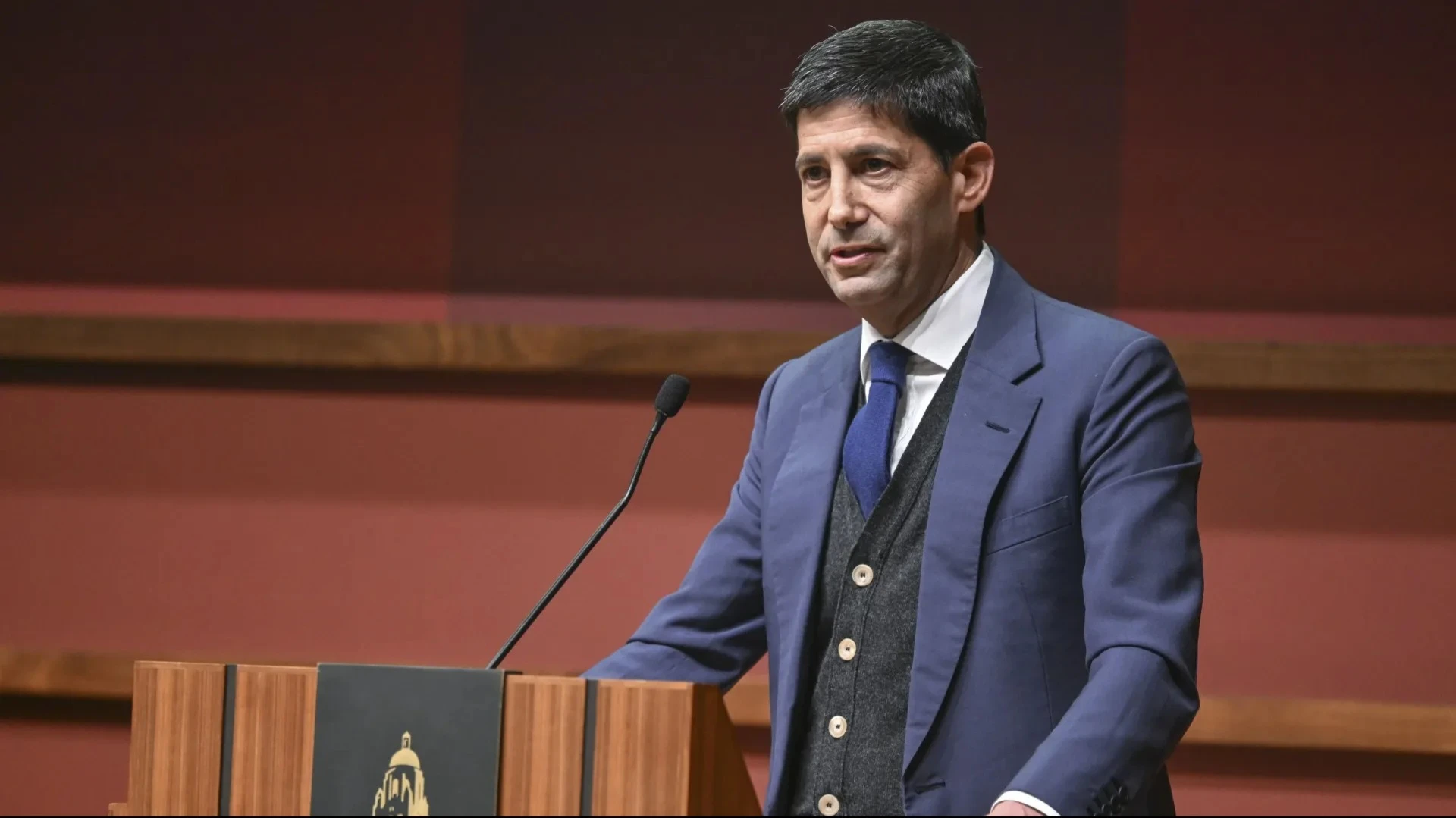
Kevin Warsh took office as Fed chief, sworn in at the White House / Photo: hoover.org
Kevin Warsh was sworn in as the new chairman of the U.S. Federal Reserve (Fed) at the White House on May 22, with President Donald Trump in attendance.
"The Fed's mandate is to ensure price stability and maximize employment," Warsh said in his speech after being sworn in.
"When we pursue these goals wisely and clearly, independently and decisively, inflation can be lower, growth can be stronger, real wages per hand can be higher, and America can be more prosperous; and just as importantly, America's position in the world can be more sustainable," he said.
"To fulfill this mission, I will lead a reform-oriented Federal Reserve: a system that learns from past successes and mistakes, moves away from static approaches and models, and maintains clear standards of integrity and efficiency."
The last time Alan Greenspan was sworn in as Fed Chairman at the White House was in the presence of President Ronald Reagan in 1987, Barron's notes.
What is Kevin Warsh known for
Kevin Warsh, 56, will lead the Fed amid a split within the regulator over a spike in fuel prices, which pushed up inflation in April to 3.8% year-on-year against a 2% target. During April hearings in the U.S. Senate Banking Committee, Warsh announced radical reforms of the agency. In particular, he intends to revise the methodology for calculating U.S. inflation, accelerate the unloading of the regulator's balance sheet through the sale of long-term government bonds, as well as to abandon the practice of advance disclosure of future Fed steps on interest rates.
Kevin Warsh is married to Jane Lauder, the granddaughter of Estée Lauder, founder of cosmetics giant Estée Lauder. The new Fed chief's father-in-law, Ronald Lauder, is a longtime friend of Trump, Barron's notes, emphasizing that such ties between Warsh and the U.S. president may call into question his ability to act independently when making monetary policy decisions. Nevertheless, Warsh himself has stated his commitment to maintaining the Fed's independence from political pressure.
What else you need to know about the appointment of a new Fed chief
Trump's rhetoric, which has been demanding monetary easing in the U.S. for the past year, has changed recently, with the president signaling on Ma. 20 that he was willing to "let Warsh do [at the head of the U.S. central bank] what he wants to do."
Warsh will lead the FOMC, which has recently seen major divisions in challenging times. U.S. consumer prices in April showed the highest growth in three years, while wholesale prices recorded the biggest one-month jump since 2022. Against this backdrop, at the Fed's April meeting, four members at once voted against the majority decision to keep the interest rate at 3.5-3.75%, marking the strongest split in the Federal Open Market Committee (FOMC) since 1992. On April 29, the Fed kept the rate unchanged for the third consecutive time.
The U.S. reguy has been unable to meet the 2% inflation target for more than five years, and most Fed officials noted in the minutes of the April meeting that they would consider raising rates if the situation did not change, Barron's writes.
What's next?
Whether Trump's relationship with the new Fed chief will become a determining factor in monetary policy is the main question that investors are now trying to find an answer to, writes Barron's. Markets, according to the publication, are laying down an 84% probability that the Fed's next move will be an interest rate hike, not a cut. "It is extremely unlikely that the situation will change dramatically at the next [Fed] meeting, especially as the stock market has bounced back from the 2026 decline," said Erasmus Kersting, chair of the economics department at Villanova University's business school.
Read more about Warsh in OnInvest's coverage:
How the market reacted
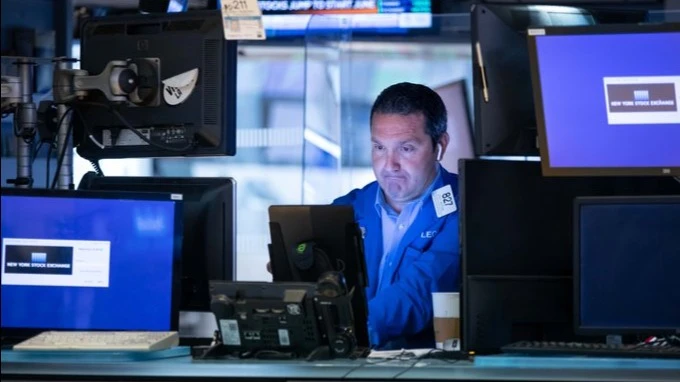
The index of the broad market of U.S. stocks S&P 500 amid the swearing in of Warsh adds 0.6%. The Dow Jones blue-chip index is up 0.8%, while the tech-heavy Nasdaq Composite is up 0.6%.
The yield on 10-year U.S. Treasuries rose to 4.572% from 4.552% on Friday shortly after Worsh was sworn in. Bond yields rise when bond prices fall. The sell-off in treasuries was triggered by the words of Christopher Waller, a member of the US Federal Reserve Board of Governors, that the central bank should stop signaling a rate cut as the most likely next step, as the protracted conflict in the Middle East increases the risk of accelerating inflation.
In recent years, markets have fallen when a new Fed chairman takes office, Barron's notes. Thus, the swearing-in of the previous head of the regulator Jerome Powell coincided with a 4.1% drop in the S&P 500 on February 5, 2018 - during the so-called "Volmageddon" (Volmageddon). On Janet Yellen's first day on the job on February 3, 2014, the S&P 500 lost 2.28%.
This article was AI-translated and verified by a human editor