Two-year US government bond yields hit 4% for the first time since June
Traders piled new rate hikes by the Fed and ECB into forecasts, fearing an inflation shock from the energy crisis in the Middle East


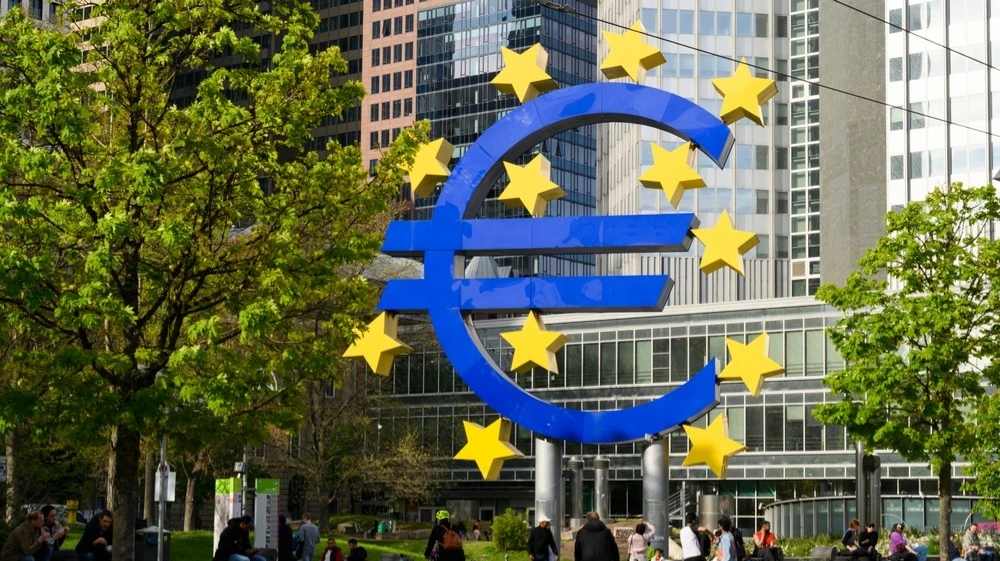
The yield on two-year U.S. Treasuries jumped to 4% for the first time since June. Photo: Images3/Shutterstock
The yield on two-year U.S. Treasury bonds jumped to 4% on March 23, the first time since June 2025, Bloomberg reported. The yield then declined by more than 1 percentage point in parallel with the rally in the stock market after U.S. President Donald Trump's statement on negotiations with Iran.
Details
Traders on Monday were actively piling further monetary policy tightening by the US Federal Reserve (Fed) into forecasts, fearing that the war-induced energy crisis would trigger a new round of inflation.
According to CME Group's FedWatch tool, investors now estimate the probability of at least one rate hike in the US this year at 57%, although a week ago this figure was zero, The Wall Street Journal (WSJ) notes. Analysts at Capital Economics emphasize that further escalation of the U.S. war with Iran will make the expected rate hike more likely, and warn of possible increased pressure on the bond market if the military conflict continues to drag on.
US ten-year bond yields hit their highest since July 2025, reaching 4.4%, WSJ noted. However, quotes later rebounded after US President Donald Trump said that Washington and Tehran had "productive talks" over the past two days and that the US would postpone strikes on Iranian power plants and energy infrastructure for five days.
What's happening in global markets
British government bonds were also under serious pressure: the yield of ten-year securities in the morning of March 23 jumped to 5.1% - the maximum for almost 18 years, emphasizes WSJ. XTB analysts attribute such dynamics to the vulnerability of the British economy on the background of weak public finances, but the situation stabilized after Trump's statements.
In Europe, the yield on ten-year bonds of Italy exceeded the psychological mark of 4% for the first time since July 2024, while similar securities of Germany rose to 3%, and France - to 3.8%. At the same time, the difference in yields between German bonds and securities of peripheral countries of the European Union reached multi-month highs, indicating the growing anxiety of investors, indicates WSJ.
Against this backdrop, Morgan Stanley has revised its forecasts and now expects the European Central Bank to raise rates by 50 basis points in June and September 2026.
At the same time in Japan the yield of ten-year government bonds reached 2.3%, which became the highest indicator since the end of January. NLI Research experts warn that in case of prolongation of the conflict in the Middle East and further growth of energy prices, the yield of Japanese "ten-year bonds" may soar to 2.5%.
In March, the total value of bonds fell by more than $2.5 trillion, Bloomberg wrote. This could be the largest monthly drop for the market in more than three years, the agency noted.
This article was AI-translated and verified by a human editor