UAE developers sounded out investors' stress scenarios with prices falling 20% - Bloomberg

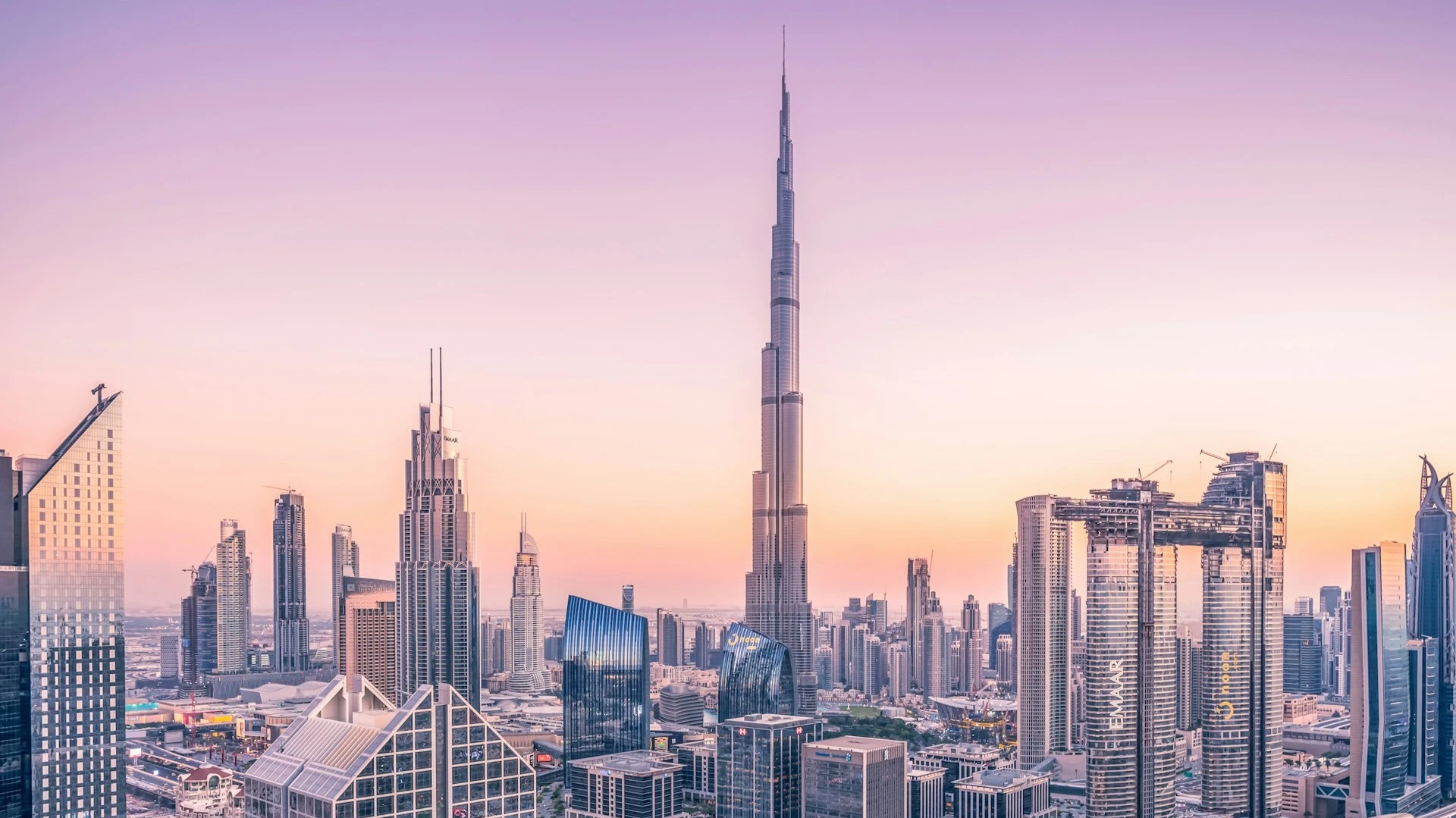
UAE developers do not exclude a drop in real estate prices of up to 30% / Photo: Unsplash / ZQ Lee
Several luxury developers from the UAE had to reassure investors after some of the developers' bonds fell into the zone of bad debts amid the conflict with Iran, Bloomberg has learned. According to the pessimistic scenarios of the companies, the drop in sales may amount to 20-30%, but they assure that even in this case they will survive.
Details
Luxury real estate developers Binghatti and Omniyat held investor calls amid pressure on debt securities, sources told Bloomberg. The month-long war in the Middle East has had a negative impact on developers' bonds in the region. According to the agency's interlocutors, similar consultations were also organized by Sobha Realty and Arada Developments.
The bonds of all four companies are rated below investment grade. The rating agencies warn of geopolitical risks to demand and a possible increase in construction costs. Fitch Ratings has placed Binghatti, Omniyat and Arada on a review list with a possible downgrade, Bloomberg writes.
Earlier this month, the Burj Khalifa developer Emaar Properties, which trades on the Dubai Exchange, also appealed to investors. Its shares have collapsed by about 28% since the start of the conflict against a decline in the benchmark Dubai index by about 17%, the agency calculated. Quotes of Sobha Realty, owned by an Indian billionaire, collapsed for the month by 16%.
What do the worst-case scenarios suggest?
During the calls, developers presented stress scenarios, Bloomberg reports. Binghatti expects that in the worst case scenario, prices for unsold properties will drop by 30% and its revenue will fall by 20%. Even so, the company expects more than Dh5 billion ($1.4 billion) in cash by the end of 2026 and about Dh14 billion ($3.8 billion) by the end of 2027, the agency's sources said. According to them, the company indicated that it does not record delays in payments from customers.
Omniyat considered a scenario with a price drop of more than 20%, also claiming stable liquidity.
Representatives for Binghatti, Omniyat and Arada declined to comment to Bloomberg. In a separate statement, Omniyat said it has a "strong liquidity position" with more than $1.4 billion in cash and cash equivalents, which would be enough to repay debt without having to sell properties, collect payments from buyers or raise additional financing. Emaar Properties representatives could not provide a response promptly. Sobha Realty confirmed that the company has held several calls with investors, assured them of a "strong liquidity position" and emphasized that maintaining liquidity remains its top priority.
Context
Before the war, development companies were actively borrowing in an effort to obtain plots for residential buildings in Dubai and Abu Dhabi. The volume of real estate bonds issued in the UAE reached nearly $7 billion in 2025, more than double the 2024 figure, which was also a record, Bloomberg recalls. As a result, about $8 billion worth of bonds are due to be redeemed by 2030.
Thanks to super-rich clients who actively bought luxury villas and penthouses, Dubai surpassed New York and Hong Kong in sales of housing worth $10 million and more.
However, during the conflict, the emirates have been among the most affected by Iran's military actions: energy infrastructure, airports, residential and commercial buildings were damaged by shells and drone debris. According to brokers interviewed by the agency, many buyers have taken a wait-and-see attitude. Some investors postpone purchases of objects at the construction stage.
This article was AI-translated and verified by a human editor