Wall Street banks warn of long-term risks to oil prices due to Venezuela
Shares of US oil companies soared in premarket trading in New York.

Oil production in Venezuela will increase over time following the US operation to change the country's government, which will put pressure on oil prices in the long term, analysts at US investment banks JPMorgan Chase and Goldman Sachs have warned. Shares of US oil and oil service companies, which could benefit from the change of political regime in this Latin American country, soared in pre-market trading in New York.
Details
Analysts at JPMorgan Chase, led by Natasha Kaneva, suggested in a note that Venezuela could increase oil production faster than expected in the event of a change in political regime, Reuters reports. According to estimates by Wall Street's largest bank, in the short term (two years), production could grow from the current 800,000 barrels per day to 1.3–1.4 million, and in the long term (10 years), it could triple to 2.5 million barrels per day. "This dynamic is not currently reflected at the far end of the oil futures curve," the agency quotes a JPMorgan analytical note as saying.
The potential for growth in oil production in Venezuela in the long term could put pressure on oil prices, Goldman Sachs agrees. "Along with recent production figures in Russia and the US exceeding expectations, potentially higher long-term production in Venezuela further increases the downside risks to our oil price forecast for 2027 and beyond," Bloomberg quotes a note from the investment bank's analysts led by Daan Struyven. Goldman Sachs has left its price forecasts for 2026 unchanged: the average price of Brent is $56 and West Texas Intermediate is $52 per barrel.
Who will win and lose from regime change in Venezuela?
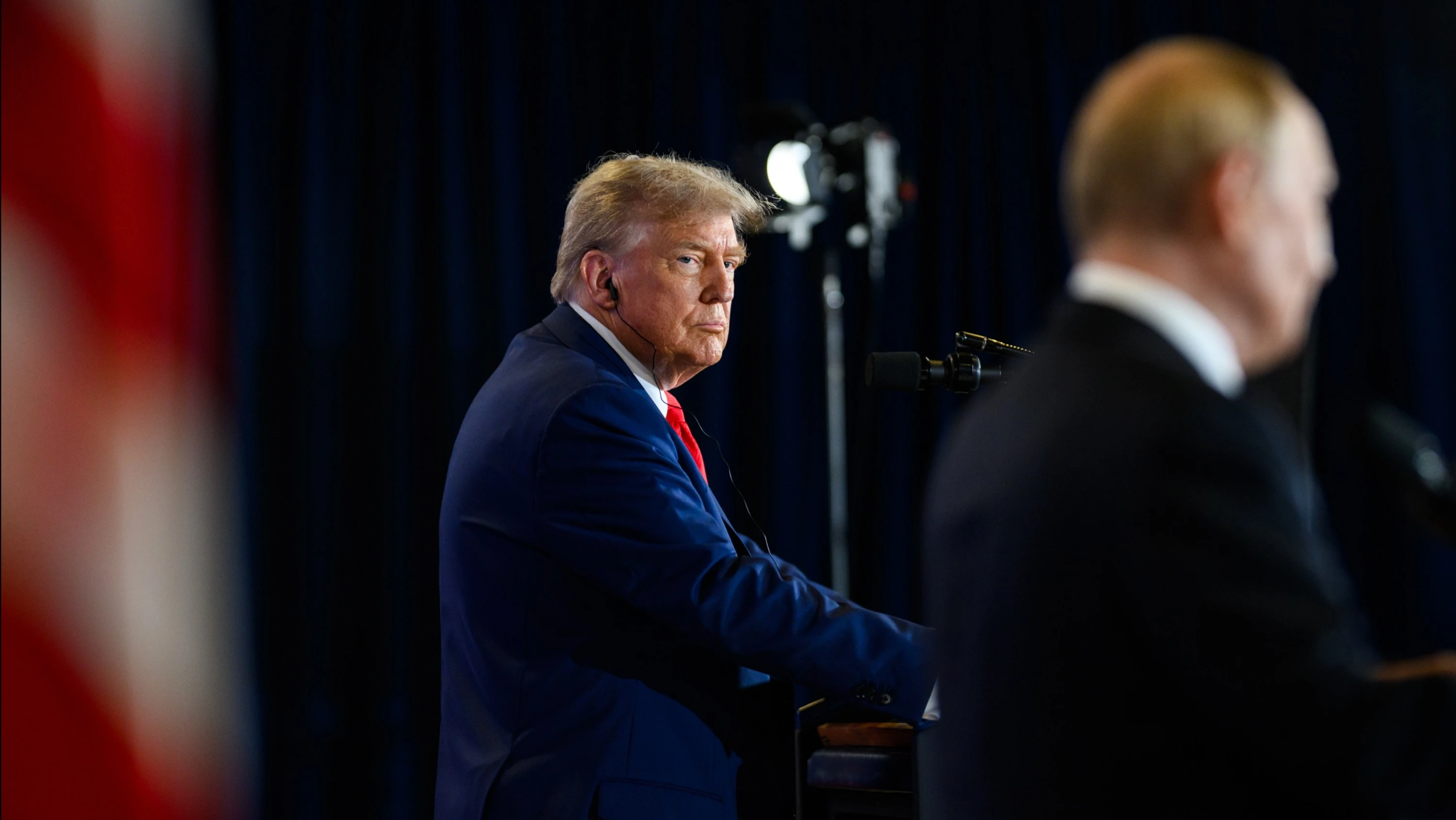
Last weekend, American special forces captured Venezuelan President Nicolás Maduro in Caracas. US President Donald Trump said that Washington would take control of the oil-producing country and that the American embargo on all Venezuelan oil would remain in place.
The obvious beneficiaries of the US operation to change the regime in Venezuela are American extraction companies without local assets, Seeking Alpha analyst Louis Gerard suggested in mid-December. According to him, expensive oil will allow Occidental Petroleum and Diamondback Energy to increase cash flow with moderate capital expenditures, while oilfield services companies SLB and Baker Hughes will benefit from increased production.
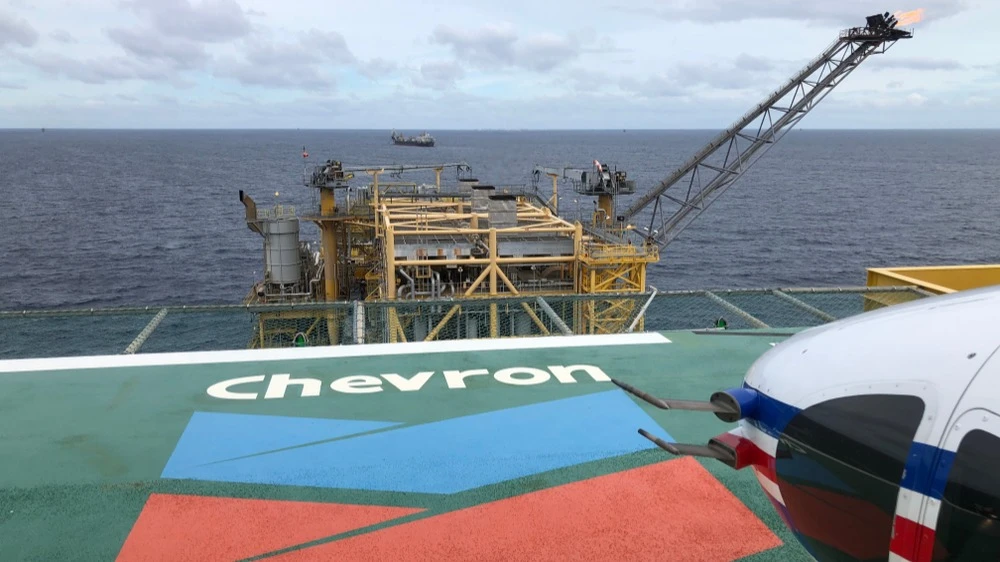
Chevron, as the only American corporation conducting drilling operations in Venezuela, is exposed to short-term risks. At the same time, Chevron could be the biggest beneficiary of increased production in the country in the event of a successful regime change and privatization of the oil company Petroleos de Venezuela.
Marathon Petroleum and Valero Energy risk losing out in a chaotic scenario. If their refineries in the Gulf of Mexico lose access to Venezuelan heavy crude, they will be forced to switch to expensive Canadian crude, which will negatively affect their margins, according to Gerard.
What about the shares?
Against the backdrop of events surrounding Venezuela, Occidental Petroleum and Diamondback Energy shares jumped more than 2% in premarket trading in New York. Chevron and Baker Hughes shares soared more than 7%, while SLB shares rose nearly 10%. Despite the risks, Marathon Petroleum and Valero Energy are also growing, by approximately 6% and 8%, respectively.
Context
Venezuela possesses approximately 17% of the world's oil reserves, which is more than OPEC leader Saudi Arabia. In the 1970s, the Latin American republic produced up to 3.5 million barrels per day, accounting for more than 7% of global production at the time. In the 2010s , production in Venezuela fell below 2 million bpd amid a "perfect storm" of systemic management crisis in the country's oil industry, chronic underinvestment, and US sanctions. In 2024, the country produced about 1.1 million bpd, or just 1% of global production.
This article was AI-translated and verified by a human editor