World Cup vs. the market: why investors should follow the soccer tournament

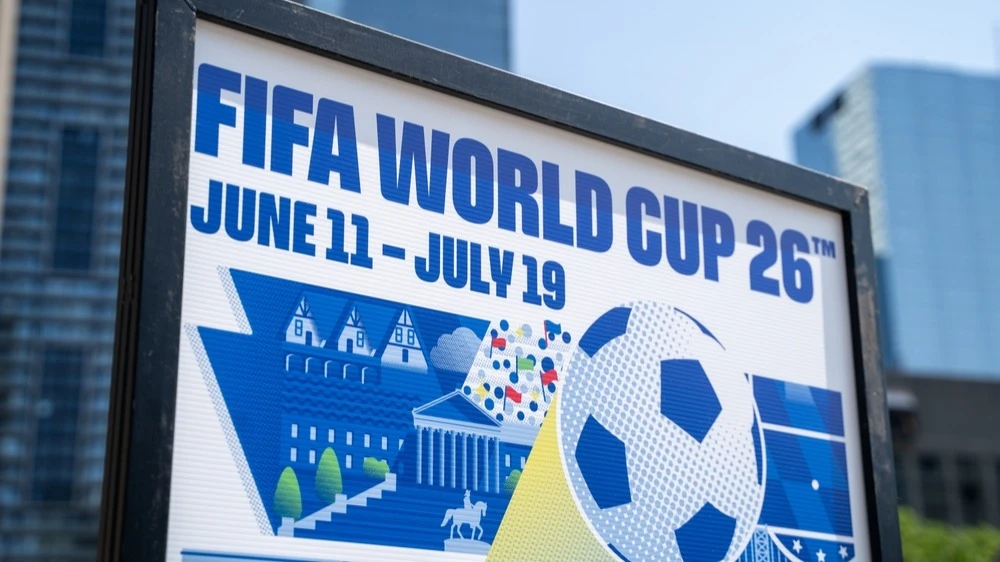
On June 11, the FIFA World Cup (World Cup) kicks off in the U.S., Canada and Mexico, research shows investors should be cautious during this period / Photo: Erman Gunes / Shutterstock
On June 11, the FIFA World Cup (World Cup) kicks off in the U.S., Canada and Mexico and runs through July 19. Investors should be cautious during this period, MarketWatch writes: historically, stocks perform poorly during this event - especially at the playoff stage, which this time starts on June 28, according to an analysis by Ned Davis Research.
For example, during the last World Cup in 2022, contrary to the pronounced bullish trend in the markets at the time, the S&P 500 lost 5.4% as the playoff stage of the mundial began, and global stock market capitalization, according to the Vanguard Total World Stock ETF, declined 4.6%, according to Ned Davis Research.
However, the 2022 dynamics is only one indicator, MarketWatch notes. The authors of the study "Sports Sentiment and Stock Returns" (Sports Sentiment and Stock Returns) analyzed data for the period from 1973 to 2004 and found the following pattern: on average for this period on the day after the national team's departure from the World Cup playoffs, the stock market of the corresponding country shows a return significantly below average. At the same time, according to the results of the research, there is no positive economic effect from victories: the researchers did not find statistically significant growth of stock indices in the countries whose teams advance to the next round of the World Cup.
The same data was confirmed by another academic study - Exploitable Predictable Irrationality: The FIFA World Cup Effect on the U.S. Stock Market. It investigated the stock market dynamics during the tournaments from 1950 to 2007. The study showed that the U.S. stock market lost an average of 2.6% during each World Cup.
According to experts in the field of behavioral economics, the negative trend is explained by how the massive deterioration in sentiment affects risk assessment. The defeat of a favorite team makes market participants more pessimistic about fundamentals, MarketWatch writes. A classic illustration of this phenomenon is contained in a survey conducted among American soccer fans shortly before the 1991 Gulf War, the publication notes. Thus, a survey after one of the college games showed that fans of the losing team considered the start of hostilities in Iraq much more likely than fans of the winners.
This article was AI-translated and verified by a human editor