30% of SpaceX shares after IPO may be bought up by index funds. What are the risks?
For the sake of Elon Musk's company, some indexes have changed the rules, but that could threaten to artificially drive up prices

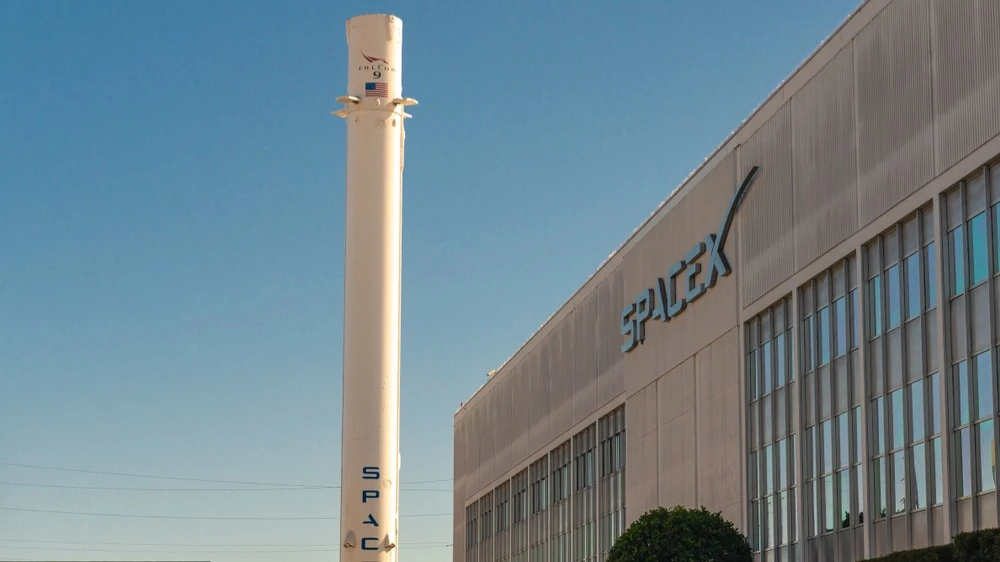
SpaceX placement may become a record in the history of the global stock market / Photo: Sergii Chernov / Shutterstock.com
Some of the largest index providers are ready to include Elon Musk's space company SpaceX in their lists in record time - just 15 days after the IPO. However, such haste could set off a dangerous vicious cycle, Bloomberg warns. The automated systems of index-linked funds will be forced to buy up shares en masse, artificially inflating their value.
Details
Due to the fact that the leading providers changed the rules for the sake of accelerated inclusion of SpaceX and other giants that are going to IPO this year, in as little as two weeks of trading, 30% of Elon Musk's free float could go to passive investors - index funds, according to data from research firm Intropic. Under the old regulations, which assumed gradual additions to indexes, the share of such funds would have been just 4%.
Nasdaq, FTSE Russell and MSCI have already announced the rule change for the sake of SpaceX, whose shares will start trading on the exchange on June 12. At the same time, the provider of S&P Dow Jones Indices rejected the proposal for early inclusion of the company in the benchmark.
Why it's important
The factor of guaranteed demand for 30% of shares alone will start pushing SpaceX quotes up even before the funds organize a real race for securities, explains Intropic. Against the background of the already powerful excitement around Elon Musk and the sphere of artificial intelligence, a paradox arises: index products risk inflating the price of assets for which they will eventually have to overpay. Because of this, the public debut of SpaceX will not only be the biggest in history, but also the main test for the entire system of passive investment, says Intropic.
In an analyst firm, this process is referred to as a "reflexive loop". The volume of inflows into the funds will be determined by the market value of the company on the ranking date for each index. At the same time, the value itself may be temporarily inflated by large traders, investment banks and hedge funds building up positions in anticipation of automatic purchases by passive players.
This loop can even affect the price of the offering itself if investors participate solely in anticipation of future passive demand. "The impact of passive flows is short-lived, but it can disrupt fair price formation at perhaps the most important point in a company's market journey," the analyst firm warns.
Now passive instruments account for about 60% of assets under management of funds investing in U.S. equities and about 20% of the market capitalization of companies in the S&P 500, according to Bloomberg Intelligence estimates. Because of this, there have long been growing concerns in the market that index investments can distort trading and pricing, the agency writes.
The rush to add SpaceX to indexes is due to latent competition between their providers, says Harvard Business School associate professor Marko Sammon. In one of his research papers, he tracked that expectations of a stock's imminent inclusion in benchmarks usually help curb the stock price gains that usually follow announcements of a security's addition. The point, Sammon explains, is that hedge funds and market makers who have been accumulating stocks in advance begin selling those stocks to index funds. However, the accelerated inclusion of SpaceX leaves intermediaries too little time to build such positions. According to the expert, in such a situation, mechanical demand in a volatile and illiquid post-IPO market may cause a strong temporary price shock and subsequent pullback, which will increase investors' costs.
For providers, the decision to accelerate a company's inclusion in indexes is a trade-off between the risk of rushing to invest in an overvalued name or missing out on an industry leader when it makes its public debut, Bloomberg summarizes.
This article was AI-translated and verified by a human editor